

Dealing with insurance for Transcranial Magnetic Stimulation (TMS) therapy can feel like a puzzle. You’ve got these specific codes, called CPT codes, that basically tell the insurance company what you did. Getting them right is super important so you can get paid and patients can get their treatment without a huge hassle. This guide is here to break down the main CPT codes for TMS therapy, what they mean, and how to use them correctly.
Key Takeaways
- The main CPT codes for TMS therapy are 90867 (initial treatment with mapping and threshold determination), 90868 (subsequent treatments), and 90869 (re-determining the motor threshold).
- CPT code 90867 is unique because it includes initial cortical mapping and motor threshold determination, which are not part of subsequent sessions.
- Accurate documentation is vital for all TMS CPT codes to support medical necessity and avoid claim denials.
- Before providing TMS therapy, always check patient coverage and obtain prior authorization, as requirements vary by insurance provider.
- Understanding and correctly applying these CPT codes for TMS therapy is essential for both provider reimbursement and patient access to this important treatment.
Understanding Core CPT Codes for TMS Therapy
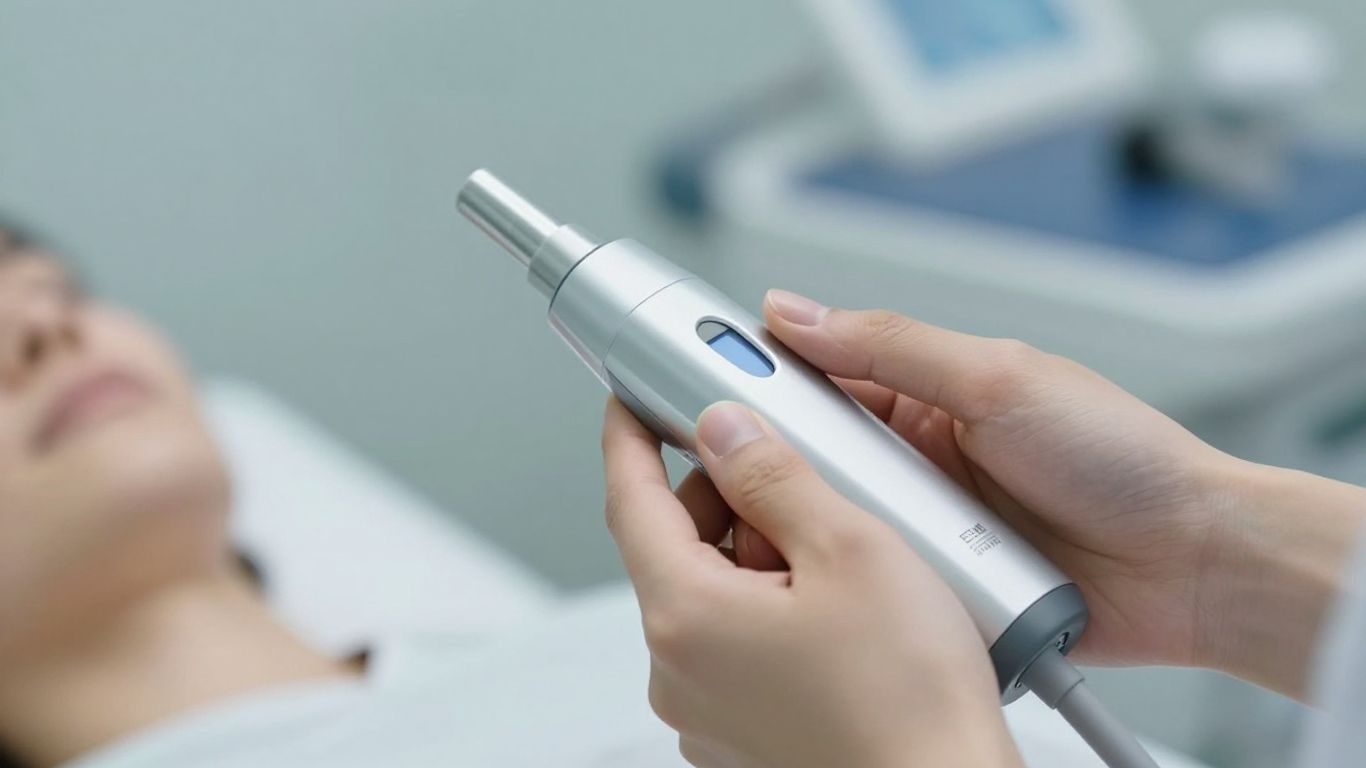
When it comes to getting paid for Transcranial Magnetic Stimulation (TMS) therapy, knowing the right codes is pretty important. These codes, called CPT codes, are basically a secret language that healthcare providers use to tell insurance companies exactly what services they provided. Without the right codes, your claims can get messy, and that means delays in getting paid, or worse, denials.
The Role of CPT Codes in TMS Reimbursement
Think of CPT codes as the universal language for medical procedures. For TMS therapy, they’re how we identify the specific treatments and assessments performed. Using the correct codes is the first step in making sure insurance companies understand the services rendered and can process your claims accurately. It’s not just about getting paid; it’s about clear communication in the billing process.
Identifying the Initial TMS Treatment Code (90867)
The code you’ll see most often for the very first TMS session is 90867. This isn’t just for zapping the brain with magnets, though. This code covers a whole bunch of stuff that happens during that first visit. It includes figuring out where on the scalp to place the device (that’s the cortical mapping part), determining the exact level of magnetic stimulation needed for that specific patient (the motor threshold determination), and then actually delivering the first treatment. It’s a pretty involved session, and the code reflects that.
Subsequent Treatment and Re-determination Codes (90868 & 90869)
After that initial session, things change a bit. For all the regular, follow-up TMS treatment sessions, you’ll use CPT code 90868. This code is for the ongoing delivery and management of the TMS therapy. Then there’s 90869. This code is used when the motor threshold needs to be re-determined. This isn’t something done every single session; it’s usually needed if there’s a significant change in the patient’s condition or if a long time has passed between treatments. It’s important to know when to use 90868 versus 90869 to avoid billing errors.
Here’s a quick rundown:
- CPT 90867: The big one for the very first TMS session. Includes mapping, finding the motor threshold, and the first treatment delivery.
- CPT 90868: For all the standard, ongoing TMS treatment sessions after the first one.
- CPT 90869: Used specifically when you need to re-check and re-determine the patient’s motor threshold.
Getting these codes right from the start is key. It sets the stage for smooth billing and helps avoid headaches down the road with insurance claims. It’s all about accuracy and making sure the documentation matches the codes you submit.
Navigating Insurance Authorization and Documentation

Getting the green light from insurance companies for TMS therapy can feel like a puzzle. It’s not just about knowing the right codes; it’s about making sure all the paperwork is in order. This process is key to making sure patients can actually get the treatment they need without facing unexpected bills.
Verifying Patient Coverage for TMS
Before you even think about scheduling the first session, you absolutely have to check what the patient’s insurance plan covers. It sounds simple, but you’d be surprised how many times this step gets rushed. Different plans have different rules, and what’s covered for one person might not be for another, even with the same insurance company.
Here’s a quick rundown of what to do:
- Call the insurance company directly. Don’t just rely on online portals or automated systems. Sometimes, they give you the wrong info, and you don’t want to find that out after the treatment has started.
- Ask specific questions. Have a list ready: Is TMS covered for their diagnosis? What are the specific criteria they use? Is prior authorization needed?
- Get it in writing. If possible, get confirmation of coverage details via email or a reference number for your call. This can be a lifesaver if issues pop up later.
Understanding Payer-Specific Authorization Requirements
Each insurance company, or payer, has its own set of hoops you need to jump through for prior authorization. This is where things can get really detailed. They want to see proof that TMS is really necessary for that specific patient.
What they usually want includes:
- Patient History: A clear picture of the patient’s condition, including how long they’ve had it and previous treatments tried.
- Treatment Resistance: Evidence that other treatments, like medications or therapy, haven’t worked. This often means listing out the specific medications, dosages, and durations, and why they failed.
- Treatment Plan: A detailed plan for the TMS therapy itself, including the specific CPT codes you’ll be using (like CPT 90867 for the initial session).
It’s really important to be thorough here. Missing even one piece of information can lead to a denial, and then you’re back to square one, trying to appeal the decision. Think of it as building a case for why this patient needs TMS.
Essential Documentation for Claim Submission
Once you have authorization, you’re not done. Every single session needs to be documented properly. This documentation is what backs up your claim when you send it to the insurance company for payment.
Key documents you’ll need include:
- Consent Forms: Signed by the patient, showing they understand the treatment and agree to it.
- Session Notes: Detailed notes for each TMS session, including the exact parameters used, the patient’s response during the session, and any side effects.
- Progress Notes: Regular updates on the patient’s overall progress, how they’re responding to the treatment, and any adjustments made to the treatment plan.
- Motor Threshold Determinations: Records of the motor mapping and threshold determination, especially for the initial session (CPT 90867) and any time a re-determination is needed (CPT 90869).
Getting this right from the start saves a lot of headaches down the road. It helps avoid claim denials and makes sure you get paid for the work you do.
Key Components of the Initial TMS Session (CPT 90867)
So, you’re starting TMS therapy, and the first session feels a bit different, right? That’s because it is. This initial visit is covered by CPT code 90867, and it’s way more than just showing up for treatment. Think of it as the setup phase for your entire course of therapy. It’s where all the important groundwork gets laid out.
Cortical Mapping and Motor Threshold Determination
This is probably the most technical part of the first session. The clinician needs to figure out exactly where on your scalp to place the magnetic coil. This isn’t just a guess; they’re looking for a specific spot that influences the part of your brain related to mood. After finding that spot, they’ll do something called determining your motor threshold. Basically, they’re finding the lowest level of magnetic stimulation that makes your thumb twitch. This is super important because it sets the baseline for how strong the pulses will be for your actual treatments. It’s all about personalizing the treatment to you.
Treatment Planning and Initial Management
Once the mapping and threshold are done, the team puts together your treatment plan. This involves deciding on the frequency, intensity, and duration of the magnetic pulses for your upcoming sessions. They’ll document all these details, along with how you responded during this first session. This plan acts as your roadmap for the rest of your TMS journey. It’s not just about zapping your brain; it’s a carefully thought-out strategy. The initial session is quite a bit more involved than the follow-up ones, and that’s why it has its own specific code, CPT code 90867.
This first session is where the real customization happens. It’s not a one-size-fits-all approach. The mapping and threshold determination are unique to each individual, ensuring the treatment is as effective as possible. This detailed preparation is what sets the stage for the subsequent therapy sessions.
Distinguishing Between TMS Treatment Codes
CPT 90867: The Comprehensive Initial Session
This code, CPT 90867, is your go-to for the very first time a patient receives Transcranial Magnetic Stimulation (TMS) therapy. It’s not just about zapping the brain with magnetic pulses; it covers a whole lot more. Think of it as the grand opening of the treatment. It includes figuring out the patient’s unique motor threshold – basically, finding the exact level of stimulation that causes a twitch in their thumb or finger. This is super important for safety and effectiveness. After that’s nailed down, the code also covers the planning of the treatment course and the actual delivery of that first therapeutic session. It’s a bundled code, meaning you can’t bill separately for the mapping or the initial treatment; it’s all under 90867.
CPT 90868: Standard Subsequent Treatments
Once the initial session (90867) is done and dusted, all the follow-up treatments fall under CPT code 90868. This code is for each standard TMS therapy session that occurs after the first one. It represents the ongoing delivery of the prescribed treatment plan. The key here is that the motor threshold has already been determined and documented, so this code simply reflects the continued application of TMS at the established parameters. You’ll be using this code repeatedly throughout the patient’s treatment course, for every single session after the initial one.
CPT 90869: Re-determining Motor Threshold
Sometimes, a patient’s motor threshold might change during the course of TMS therapy. This could be due to various factors, and it’s important to adjust the stimulation accordingly. That’s where CPT code 90869 comes in. This code is used specifically when the provider needs to re-evaluate and re-determine the patient’s motor threshold. This isn’t a routine part of every session; it’s typically done only when clinically indicated, perhaps if the patient reports changes in sensation or if there’s a significant break in treatment. Accurate documentation is key to justifying the use of 90869. It signifies a specific clinical decision and action taken to optimize the ongoing treatment.
Here’s a quick rundown:
- CPT 90867: Initial session, including motor threshold determination, treatment planning, and first treatment delivery.
- CPT 90868: Each subsequent standard TMS therapy session.
- CPT 90869: When motor threshold needs to be re-assessed and re-determined during the treatment course.
Understanding these distinctions is vital. Using the wrong code can lead to claim denials, delayed payments, and potential compliance issues. Always refer to the latest CPT guidelines and payer policies to ensure your billing is accurate and up-to-date.
Common Pitfalls in TMS Billing and Coding
So, you’re providing TMS therapy, which is fantastic for patients. But then comes the paperwork, and let’s be honest, it can feel like a maze. Getting the billing and coding right is super important, not just for getting paid, but for keeping things smooth. Messing this up can lead to denied claims, payment delays, and a whole lot of headaches. It’s like trying to assemble furniture without the instructions – frustrating and often ends with a wobbly result.
Mistakes with Initial vs. Repeat Mapping
One of the most common slip-ups is mixing up the codes for the very first session versus later ones. Remember, CPT code 90867 is for that initial motor threshold determination and the first treatment. It’s a more involved code because you’re figuring out the patient’s specific stimulation level and starting the therapy. Using 90867 for any session after the first one is a big no-no. That’s where codes like 90868 come in for standard follow-up treatments. And if you need to re-check the motor threshold later in the treatment course, that’s a separate code, 90869.
- 90867: The grand opening – motor threshold finding and the very first TMS treatment.
- 90868: The workhorse – for all the regular, subsequent TMS treatment sessions.
- 90869: The re-calibration – when you need to re-determine the motor threshold during the treatment series.
Billing Multiple Codes on the Same Day
Another tricky area is what you can bill for on a single day. Generally, you can’t bill for multiple initial treatments (90867) for the same patient, even if it’s on different days within a short period. The system is set up to recognize 90867 as a one-time event per course of treatment. Similarly, be careful about billing for services that are already included within a primary code. For instance, if you’re billing for 90867, the motor threshold determination is part of that. Trying to bill for that separately would be considered "unbundling" and can cause problems.
It’s really about understanding what each code encompasses. Think of it like a package deal. Code 90867 includes the setup and the first go; you don’t get to charge extra for the setup part once the package is already opened.
Overlooking Modifier Requirements
Modifiers are those little two-digit codes you add to your CPT codes to give payers more information about the service you provided. For TMS, they can be important, especially if there are specific payer requirements or if you’re providing services in a non-standard way. For example, if a patient requires a re-determination of their motor threshold (90869) more frequently than a payer typically allows, you might need a modifier to explain the medical necessity. Always check with the specific insurance company to see if any modifiers are needed for TMS services. Missing these can lead to claim rejections, even if the rest of your coding is spot on.
Provider Qualifications and Setting Requirements
Who Can Bill for TMS Therapy?
So, who exactly gets to bill for TMS therapy? It’s not just anyone with a clinic. Generally, you’re looking at medical doctors, like psychiatrists and neurologists, who have specific training in using these brain stimulation devices. Sometimes, advanced practice providers like nurse practitioners or physician assistants can bill, but usually, they need to be working under the direct supervision of a physician. It’s a bit like needing a special license to operate certain machinery – you can’t just jump in without the right credentials and training. Always double-check with your specific insurance provider because their rules can vary.
Approved Clinical Settings for TMS Delivery
Where the TMS therapy actually happens matters too. Insurance companies and Medicare often have a list of approved places. Think specialized psychiatric clinics, neurology practices that have the right equipment, hospital outpatient departments, or even dedicated TMS centers. It’s not typically done in a standard doctor’s office unless that office meets certain facility standards. They want to make sure the environment is set up for safe and effective treatment.
Ensuring Compliance with Payer Criteria
To get paid, you’ve got to follow the rules. Payers, meaning the insurance companies, usually want proof of a few things:
- Provider Training: The doctor or clinician administering TMS needs to have completed training on the specific device being used. This often comes directly from the device manufacturer.
- Supervision: If an advanced practice provider is involved, there needs to be clear documentation about the supervising physician’s credentials and their presence.
- Protocols: Treatment must follow the FDA-approved indications and protocols for the device.
- Facility Standards: The clinic or facility itself might need to meet certain accreditation or operational standards.
It’s really important to get this right from the start. Billing errors, especially around who is qualified and where the treatment is given, can lead to denied claims and headaches down the road. Making sure all your ducks are in a row regarding provider qualifications and the treatment setting is key to getting reimbursed smoothly.
The Importance of Accurate Coding for Patient Access
Ensuring Insurance Coverage for TMS
Getting the right CPT codes on your insurance claims is really the first step to making sure patients can actually get the TMS therapy they need. Think of it like a key – the correct code unlocks the door to coverage. If the code is wrong, or if it’s missing entirely, the insurance company might just say ‘no’ without even looking at the medical details. This isn’t about trying to trick anyone; it’s about clearly telling the insurance company exactly what service was provided. When we use codes like 90867 for the initial session, which includes that important motor threshold mapping, we’re being specific. This helps payers understand the full scope of the treatment, not just a simple office visit.
Facilitating Prompt Reimbursement for Providers
For the clinics and doctors offering TMS, getting paid correctly and on time is obviously a big deal. It keeps the lights on and allows them to keep offering this treatment. Billing errors, especially with those initial versus subsequent session codes (90867, 90868), can cause major headaches. Claims can get denied, or worse, paid incorrectly, leading to a lot of back-and-forth with the insurance company. This wastes everyone’s time and money. Having a solid grasp on the coding, including when to use 90869 for re-mapping, means fewer claim rejections and a more predictable cash flow. It’s about making the business side of healthcare run smoothly so the focus can stay on patient care.
Enhancing Patient Affordability of Treatment
Ultimately, all this coding stuff comes back to the patient. When insurance covers TMS therapy properly, it makes a huge difference in how much the patient has to pay out of pocket. If claims are denied because of coding mistakes, patients might be stuck with bills for thousands of dollars. That’s a massive barrier for someone already dealing with a health condition. Accurate coding helps reduce those surprise bills and makes TMS a more realistic option for more people. It’s not just about the paperwork; it’s about making a potentially life-changing treatment accessible to those who need it most.
The process of coding for TMS therapy might seem like a technical detail, but it directly impacts whether a patient can access and afford a treatment that could significantly improve their quality of life. Precision in coding translates to better patient outcomes and a more sustainable practice for providers.
Wrapping It Up
So, we’ve gone over the main CPT codes for TMS therapy, like 90867 for the first session and 90868 for the ones that follow. It’s not always the easiest thing to figure out, especially with insurance companies having their own rules. But getting this right is super important so that providers get paid and patients can actually get the treatment they need. Don’t be afraid to ask for help if you’re feeling lost with all the paperwork and codes. There are people and services out there that can make this whole process a lot less confusing. In the end, it’s all about making sure this helpful therapy gets to the people who can benefit from it.
Frequently Asked Questions
What are CPT codes and why are they important for TMS therapy?
Think of CPT codes as special secret codes that doctors and clinics use when they tell insurance companies about the medical help they gave you. For TMS therapy, which is a brain treatment, there are specific codes. The main ones help insurance understand what kind of treatment you got, like the first special session (code 90867) or regular follow-up sessions (code 90868). Using the right codes is super important so that insurance can figure out if they should pay for the treatment and so the clinic gets paid for their work.
What’s the difference between the first TMS treatment code (90867) and the ones for later treatments (90868)?
The first TMS treatment is a big deal! Code 90867 is used for that very first visit. It’s like a special setup session where the doctor figures out the best spot on your head to send the magnetic pulses and finds the right strength for you. This takes extra time and planning. After that first session, all the regular treatments use code 90868. It’s basically for the ongoing treatment itself, without all the initial setup.
Do I need special permission from my insurance before starting TMS therapy?
Most of the time, yes! Insurance companies usually want to know ahead of time that you need TMS therapy. This is called getting ‘prior authorization.’ You or your doctor’s office will need to send them information, like proof that other treatments haven’t worked for you. It’s like asking for permission before you go, so they know it’s a necessary treatment.
What kind of information do I need to have ready for insurance when I get TMS therapy?
You’ll need to make sure your doctor has all the right paperwork. This includes proof of why TMS therapy is needed for you, like notes about your medical history and which other treatments you’ve tried before. They also need to use the correct CPT codes we talked about and make sure the diagnosis matches the treatment. Good notes and the right codes help insurance understand your situation better.
Can any doctor or clinic provide TMS therapy and bill for it?
Not just anyone! For insurance to cover TMS therapy, the doctor or clinic usually needs special training and must follow certain rules. They also need to use specific machines and practice in places that are approved for this kind of treatment. Insurance companies want to make sure you’re getting the treatment from qualified people in a safe setting.
What happens if the wrong CPT code is used for my TMS therapy?
Using the wrong code can cause problems. It might mean your insurance claim gets denied, or they might ask for money back later. It could also mean you have to pay more out of your own pocket. That’s why it’s so important for clinics to be really careful and use the exact right code for each part of the TMS treatment process.