
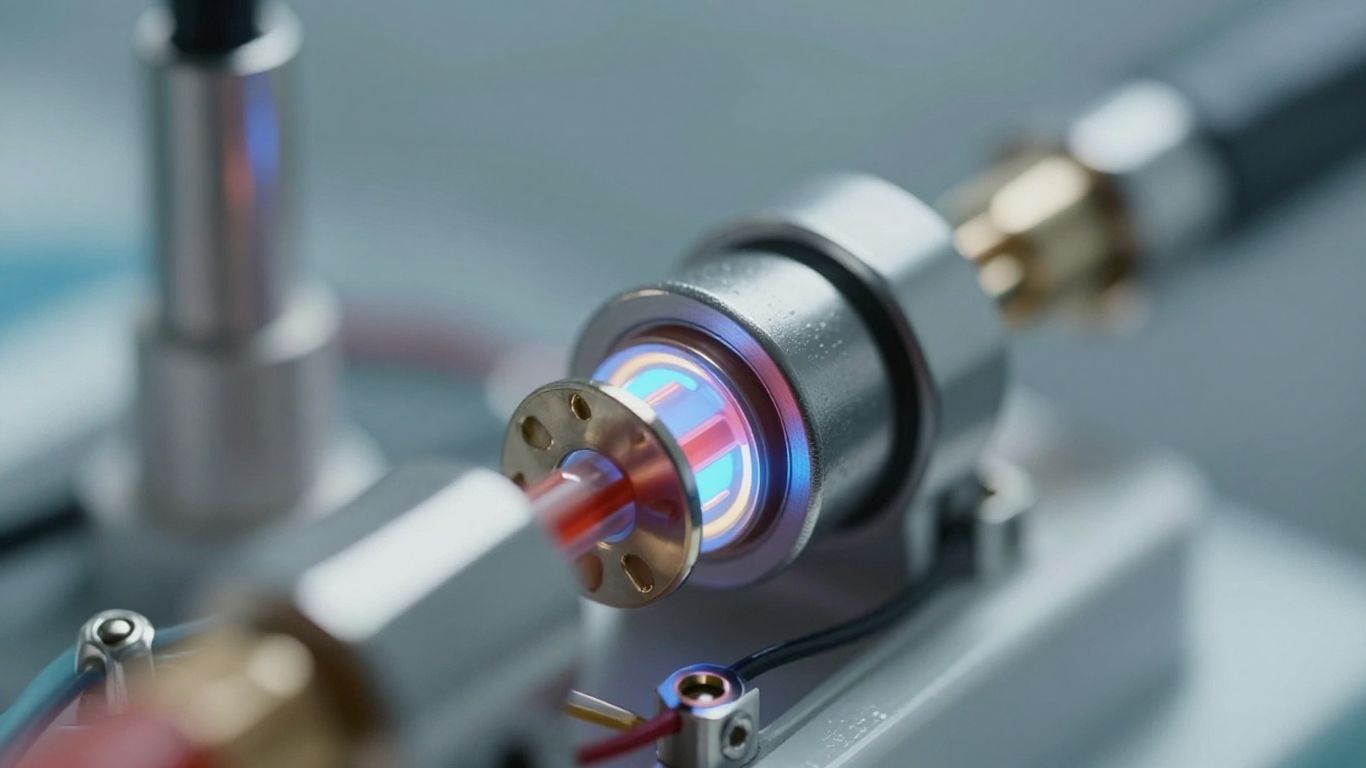
Wow, 2018 was a pretty big year for deep brain stimulation, wasn’t it? It feels like just yesterday we were talking about all the new stuff coming out. This technology, deep brain stimulation, keeps getting better and better. It’s amazing how much progress they’ve made in just a short time. We’re going to take a quick look back at some of the most interesting developments from deep brain stimulation 2018.
Key Takeaways
- New electrode designs came out in 2018, making deep brain stimulation more precise for targeting specific brain areas.
- Implantable pulse generators got an upgrade, and rechargeable systems started to become more common, meaning less surgery for battery changes.
- Closed-loop systems, which adjust stimulation based on brain activity, really started to gain traction.
- Deep brain stimulation continued to show promise beyond just motor problems, with more research into psychiatric conditions.
- Scientists are still working hard to figure out exactly how deep brain stimulation works in the brain, which helps make it better for patients.
Innovations in Deep Brain Stimulation Technology
2018 was a pretty interesting year for deep brain stimulation (DBS) technology. It felt like things were really starting to move forward, especially with how the actual devices were being made and how they worked. It’s not just about putting a device in anymore; it’s about making it smarter and more patient-friendly.
Advancements in Electrode Design for Precision Targeting
One of the biggest areas of progress was in the electrodes themselves. Think of them as the tiny wires that deliver the stimulation. The old ones were okay, but newer designs are much more sophisticated. We’re seeing electrodes with more contact points, which means doctors can be way more precise about where the stimulation is going. This is a big deal because it helps to target the specific brain areas causing problems while avoiding areas that could lead to side effects. It’s like upgrading from a floodlight to a laser pointer for brain stimulation.
- Directional leads: These allow for more specific targeting of circuits.
- Multi-contact electrodes: More points mean finer control over the stimulation field.
- Thin-film technology: This is enabling even smaller and more flexible electrode designs.
This improved precision is key to getting better results and reducing unwanted effects. It’s helping to move away from a trial-and-error approach to finding the best settings.
Evolution of Implantable Pulse Generators
The part that actually controls the stimulation, the implantable pulse generator (IPG), also saw some changes. The trend is definitely towards smaller devices. Some are even being designed to be small enough to be implanted in the skull. This makes the whole system less obtrusive for the patient.
The physical size and placement of the IPG are important considerations for patient comfort and the overall success of the therapy. Smaller, more adaptable designs are making DBS a more manageable treatment option.
Enhanced Battery Life and Rechargeable Systems
Battery life has always been a bit of a headache with implanted devices. Constantly needing battery replacements means more surgeries, which nobody wants. In 2018, there was a real push towards more efficient batteries and, importantly, rechargeable systems. This means patients can potentially recharge their device without needing to go under the knife again. It’s a huge step forward for convenience and reducing the risks associated with battery replacement surgeries. This kind of innovation is what makes DBS a viable option for many people.
Refining Deep Brain Stimulation Control Strategies
Advancements in Electrode Design for Precision Targeting
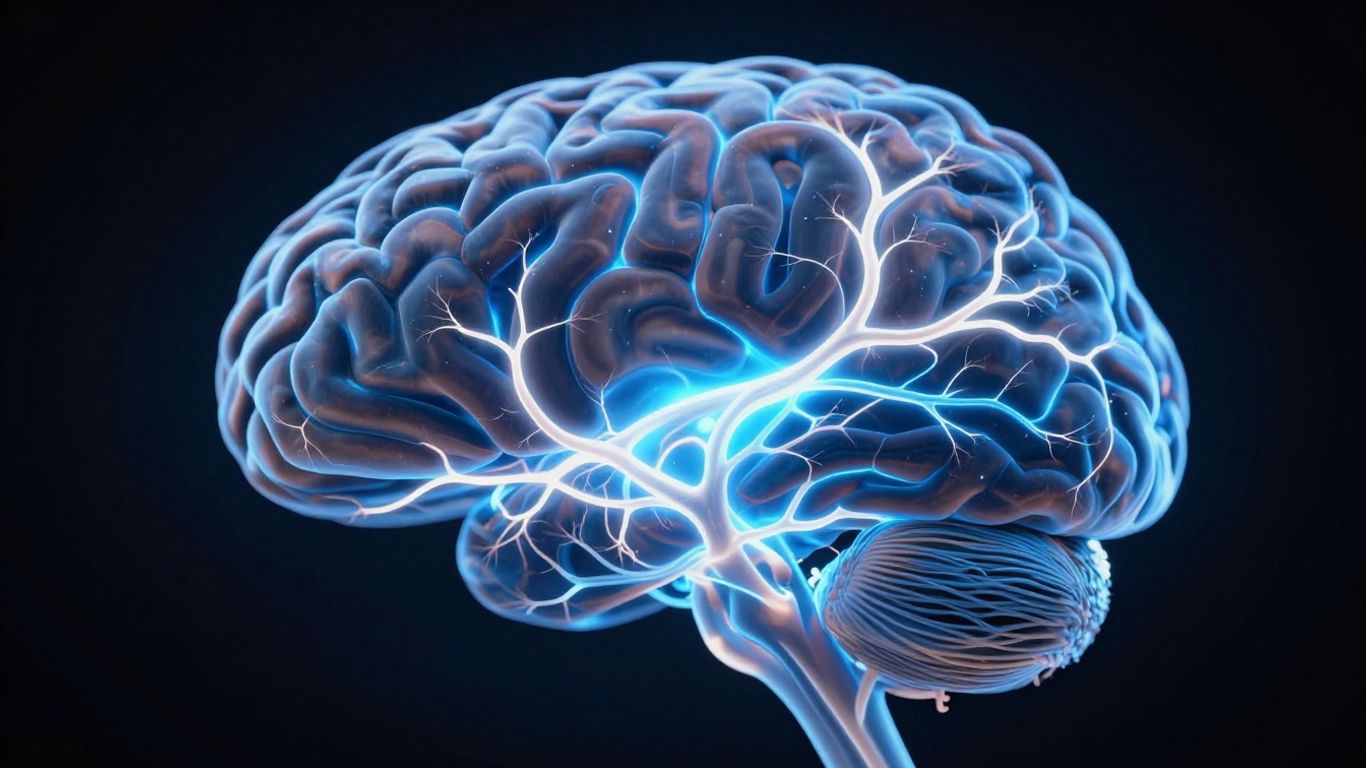
In 2018, we saw continued progress in making deep brain stimulation (DBS) more precise. Think of it like upgrading from a blunt pencil to a fine-tipped pen for drawing. New electrode designs are allowing for much more targeted stimulation. This means we can hit the exact spots in the brain that need it, while hopefully avoiding areas that could cause side effects. It’s all about getting the stimulation exactly right.
Evolution of Implantable Pulse Generators
The "brains" behind DBS, the implantable pulse generators (IPGs), also got some attention. These are the little devices that sit under the skin and send the electrical signals. While not a huge leap in 2018, there was a steady push towards making them smaller and more efficient. The goal is to make them less noticeable and easier for the body to accept. It’s a bit like how phone batteries keep getting better, allowing for smaller devices with longer life.
Enhanced Battery Life and Rechargeable Systems
This is a big one for patients. Constantly having to replace batteries through surgery isn’t ideal. In 2018, there was a lot of focus on developing IPGs with longer-lasting batteries and, importantly, rechargeable systems. Imagine not having to worry about battery changes for years, or just needing to charge your device like a smartphone. This would significantly improve the quality of life for people using DBS and reduce the risks associated with repeat surgeries. The move towards rechargeable systems is a game-changer for long-term DBS therapy.
The way we program DBS has traditionally been a bit of a guessing game. Doctors would adjust settings based on how a patient responded, which can take a lot of time and isn’t always perfect. This trial-and-error method can sometimes lead to the wrong "dose" of stimulation, potentially causing more problems than it solves. Getting the programming right is key to making DBS work effectively and safely.
The Rise of Closed-Loop Stimulation Systems
This is where things get really interesting. Instead of just sending out a constant electrical signal, closed-loop systems are designed to "listen" to the brain and adjust the stimulation accordingly. It’s like having a thermostat for your brain. If the brain activity changes in a way that’s not ideal, the system can automatically tweak the stimulation. This adaptive approach holds a lot of promise for more personalized and effective treatment, especially for conditions where brain activity fluctuates. For example, in essential tremor, stimulation might be triggered by movement, or in Parkinson’s disease, it could adjust based on brain signals like beta power [8d80].
Adaptive and Phase-Controlled Stimulation
Building on the idea of closed-loop systems, adaptive and phase-controlled stimulation represent further refinements. Adaptive systems continuously adjust stimulation based on real-time brain feedback. Phase-controlled stimulation, on the other hand, aims to deliver electrical pulses at specific moments – or phases – within the brain’s natural rhythms. The idea is to either boost or dampen these rhythms as needed. This has been explored for conditions like tremor, where precise timing can make a big difference.
Model-Based Control for Personalized Therapy
Another exciting area is using computer models to guide DBS therapy. By creating a model of a patient’s specific brain circuitry, doctors can simulate how different stimulation settings might affect them. This allows for a more personalized approach to treatment, moving away from a one-size-fits-all method. It’s about using what we know about how the brain works to fine-tune the therapy for each individual, potentially leading to better outcomes and fewer side effects.
Expanding Therapeutic Applications of Deep Brain Stimulation
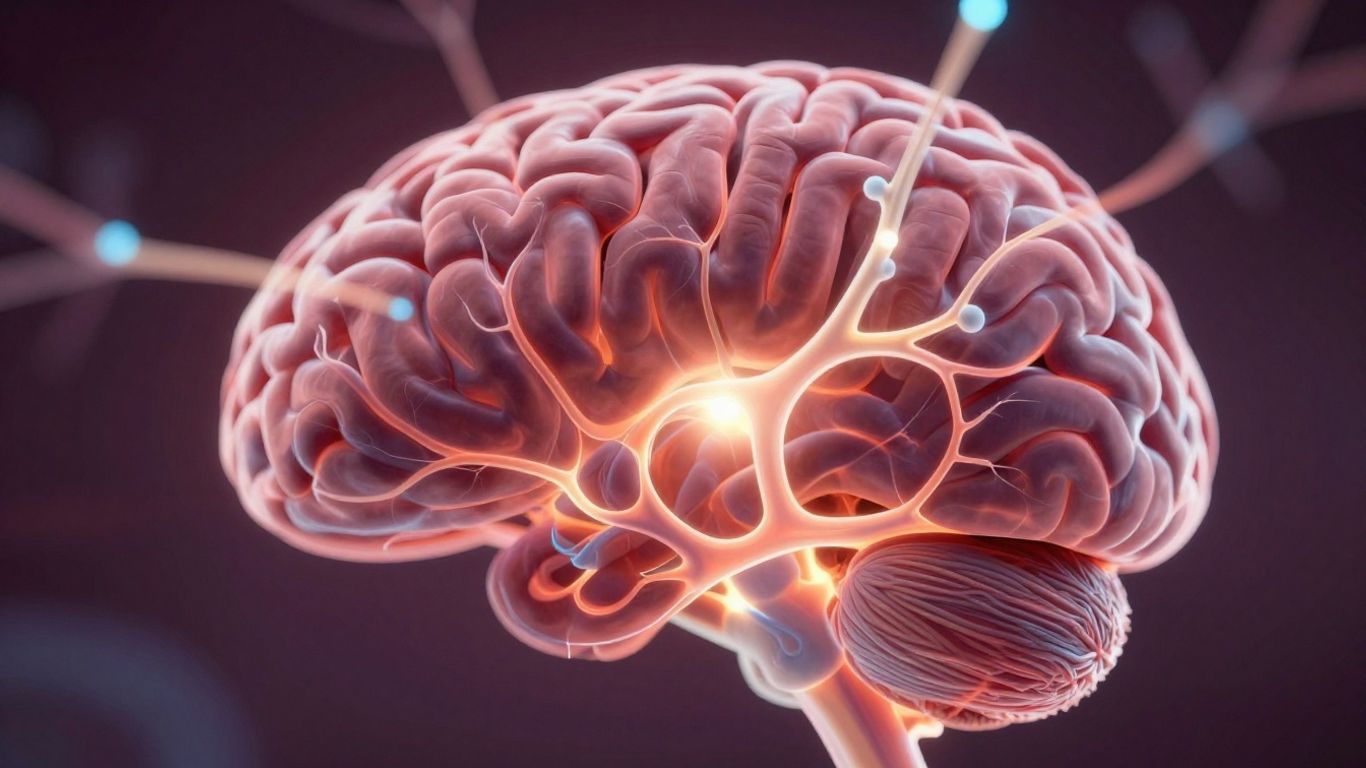
Deep brain stimulation (DBS) isn’t just for Parkinson’s anymore, though it’s certainly made a huge difference there. Back in 2018, we saw the field really start to stretch its legs, looking at how this technology could help with a wider range of conditions. It’s pretty amazing how a targeted electrical signal can influence brain activity.
Progress in Motor Disorders
For a long time, DBS has been a go-to for movement disorders like Parkinson’s disease, essential tremor, and dystonia. The results have been pretty solid, helping people regain some control over tremors and stiffness. Targeting specific areas like the subthalamic nucleus (STN) or globus pallidus interna (GPi) has been shown to significantly improve motor symptoms such as bradykinesia and tremor. This treatment also leads to an increase in the time patients spend experiencing these improvements. In 2018, research continued to refine these approaches, looking at optimizing stimulation parameters and identifying the best candidates for surgery. It’s all about making sure the right people get the right treatment for the best possible outcome.
Emerging Applications in Psychiatric Conditions
This is where things got really interesting in 2018. While DBS for motor issues is well-established, its use in psychiatric conditions was really gaining momentum. Think about conditions like severe depression, obsessive-compulsive disorder (OCD), and even addiction. The idea is to target brain circuits that are thought to be involved in these disorders. It’s a complex area, and researchers were busy trying to figure out the best targets and stimulation patterns.
- Depression: For individuals with treatment-resistant depression, DBS offered a new avenue when other treatments failed.
- OCD: Targeting specific pathways in the brain showed promise for reducing debilitating compulsive behaviors.
- Addiction: Early studies explored DBS as a way to modulate reward pathways and cravings.
The exploration of DBS for psychiatric conditions is a delicate balance between offering hope and proceeding with caution. Understanding the intricate neural networks involved is key to developing safe and effective therapies.
Investigating New Indications for DBS
Beyond motor and psychiatric issues, 2018 also saw a lot of investigation into other potential uses for DBS. This included looking at conditions like epilepsy, where DBS might help reduce seizure frequency, and even exploring its role in disorders of consciousness. The technology is becoming more precise, allowing for more nuanced interventions. It’s a sign that DBS is evolving from a specialized treatment to a more versatile tool in the neurological and psychiatric toolkit. The potential to directly measure and modulate brain activity opens up a lot of doors for conditions we previously had few options for.
Understanding the Mechanisms of Deep Brain Stimulation
Even though deep brain stimulation (DBS) is becoming a more common treatment, how it actually works is still a bit of a mystery. Scientists are working hard to figure out the exact ways it affects the brain. It’s not just one thing; it seems to involve a few different processes happening at the same time.
Impact on Neural Tissue and Networks
When DBS is turned on, the electrical pulses from the electrodes interact with the brain cells and their connections. At a basic level, these electrical fields can influence the charged particles around neurons, which in turn affects how nerve signals are sent. This stimulation can cause neurons to fire, but it also seems to disrupt abnormal patterns of activity that cause symptoms. Think of it like tuning a radio – DBS might be helping to clear up the static and get the signal back to normal. It’s known that high-frequency stimulation, around 100 Hz, has different effects than lower frequencies. This suggests that the way DBS affects brain networks isn’t a simple on-off switch but a more nuanced modulation.
Here’s a look at some proposed mechanisms:
- Direct Inhibition: The electrical stimulation might directly quiet down overactive neurons. Evidence for this comes from recordings of neurons near the electrode.
- Direct Excitation: Conversely, the stimulation could also directly trigger neurons to fire. This is based on how electrical stimulation affects nerve fibers.
- Information Jamming: High-frequency stimulation could essentially ‘jam’ or disrupt the transmission of pathological signals within brain circuits, preventing them from spreading.
- Synaptic Filtering: The brain’s own connections might filter out unwanted signals due to the high-frequency stimulation, similar to how a low-pass filter works in electronics.
The precise way DBS influences neural tissue is complex. It involves altering ion flow, affecting how neurons fire, and impacting how signals are passed between cells. The high frequencies used in DBS can lead to effects like synaptic filtering, where the normal transmission of signals is altered, potentially reducing the impact of abnormal brain rhythms.
Bridging Preclinical Models and Clinical Practice
To really get a handle on how DBS works, researchers are using both lab studies and real-world patient data. Animal models are helpful for seeing what happens at the cellular level, like how specific neurons respond to stimulation. However, translating these findings to humans isn’t always straightforward. The human brain is much more complex, and the targets for DBS are often deep within intricate networks. Getting direct measurements of brain activity in patients undergoing deep brain stimulation (DBS) procedures provides invaluable insights that can’t be replicated in a lab. Combining these different approaches helps build a more complete picture.
Challenges in Elucidating DBS Mechanisms
Despite the progress, there are still big questions. We don’t fully know which of the many effects of DBS are absolutely necessary for it to be therapeutic. Is it the direct electrical effect on neurons, or is it the downstream chemical changes that follow? Plus, the brain is constantly changing, and how DBS affects it over the long term is still being studied. The variability between patients also makes it tricky; what works for one person might not work the same way for another. Figuring out these details is key to making DBS even more effective and personalized for everyone who could benefit from it.
The Evolving Landscape of Deep Brain Stimulation
It feels like just yesterday we were talking about the big breakthroughs in deep brain stimulation (DBS), and now, looking back at 2018, it’s clear the field is really picking up speed. A big part of this shift is simply more companies getting involved. For a long time, there wasn’t much competition in the DBS device market, which, let’s be honest, probably slowed things down a bit. But now? We’re seeing more players enter the game, and that’s a good thing. Competition usually means more innovation, better technology, and hopefully, more options for patients.
Increased Competition Driving Innovation
This surge in competition is shaking things up. We’re starting to see devices that are smaller, more efficient, and offer more advanced features. Think about battery life – it’s a huge deal for patients who have to undergo regular surgeries or replacements. The push for longer-lasting, rechargeable systems is really on. Plus, with more companies developing electrodes and pulse generators, there’s a drive to make these systems more precise and easier to use. It’s not just about making the hardware better, though; it’s also about the software and how we control the stimulation.
Addressing Unmet Needs in DBS Therapy
Despite all the progress, there are still plenty of challenges. We’re getting better at treating movement disorders like Parkinson’s, but there’s a lot of work to do in other areas. For instance, figuring out the best way to use DBS for psychiatric conditions is still a work in progress. We need to get better at identifying which patients will benefit most and what the optimal stimulation settings are. It’s not a one-size-fits-all approach, and tailoring the therapy to each individual is key.
The journey of DBS from a niche treatment to a more widely considered option highlights the ongoing quest to understand and modulate complex brain circuits. As technology advances and our knowledge deepens, the focus shifts towards making these therapies more accessible, effective, and personalized for a broader range of neurological and psychiatric conditions.
Future Directions in Deep Brain Stimulation Research
So, what’s next? We’re looking at smarter stimulation systems that can adapt in real-time based on a patient’s brain activity. Imagine a system that can automatically adjust stimulation levels to prevent symptoms before they even start. That’s the kind of future we’re building towards. We also need to keep exploring new targets in the brain and new conditions that DBS might help. It’s an exciting time, and the pace of discovery shows no signs of slowing down.
Here are some areas we’re keeping an eye on:
- Adaptive Stimulation: Systems that can sense brain signals and adjust stimulation automatically.
- Directional Leads: Electrodes designed to steer the electrical current more precisely, minimizing side effects.
- Expanded Indications: Research into using DBS for conditions beyond motor symptoms, like depression, OCD, and even addiction.
- Improved Imaging Integration: Better ways to use MRI and other imaging techniques to guide lead placement and understand stimulation effects.
Looking Ahead
So, 2018 was a pretty interesting year for deep brain stimulation, wasn’t it? We saw some neat improvements in the technology itself, like better battery life and smaller devices, which is always good news for patients. Plus, the way doctors can now target specific brain areas with more precision is a big deal. It feels like we’re getting closer to making DBS work even better for more people with different brain conditions. While there are still questions to answer and more research to do, it’s clear that DBS is continuing to evolve and offer new hope. It’s exciting to think about what the next few years will bring.
Frequently Asked Questions
What exactly is Deep Brain Stimulation (DBS)?
Deep Brain Stimulation, or DBS, is a special kind of treatment that uses a tiny device, kind of like a pacemaker for the brain. It sends electrical signals to specific parts of the brain to help control problems that happen because certain brain areas aren’t working right. Think of it as fine-tuning the brain’s electrical activity to make it work better.
How has DBS technology changed recently?
In recent times, DBS technology has gotten much better. The tiny wires, called electrodes, are now designed to be more precise, hitting the exact spots in the brain needed. The batteries that power these devices are lasting longer and can even be recharged, meaning fewer surgeries to replace them. Plus, the systems are getting smarter, able to adjust the electrical signals automatically.
What kinds of problems can DBS help with?
DBS is really good at helping with movement problems like Parkinson’s disease and essential tremor. But doctors are also finding it can help with other issues, like severe depression, obsessive-compulsive disorder, and even some conditions where people have trouble staying awake or aware. It’s like finding new ways to use this technology to help more people.
How does DBS actually work in the brain?
That’s a great question, and scientists are still figuring out all the details! Basically, DBS sends electrical pulses that seem to interrupt or change the faulty signals in the brain that cause the problems. It’s like sending a new message to calm down a noisy part of the brain or to get a quiet part to communicate better.
Is DBS a new treatment?
While DBS has been around for a while and has become a really important treatment over the last couple of decades, the technology and how we use it are constantly improving. So, while the basic idea isn’t brand new, the advancements in recent years are making it more effective and useful for more conditions.
What’s the future of DBS?
The future of DBS looks really exciting! Researchers are working on making the devices even smaller and more precise. They’re also developing smarter systems that can adapt the stimulation in real-time based on what the brain is doing. The hope is to make DBS even more effective for current conditions and to find new ways it can help with other brain disorders.