
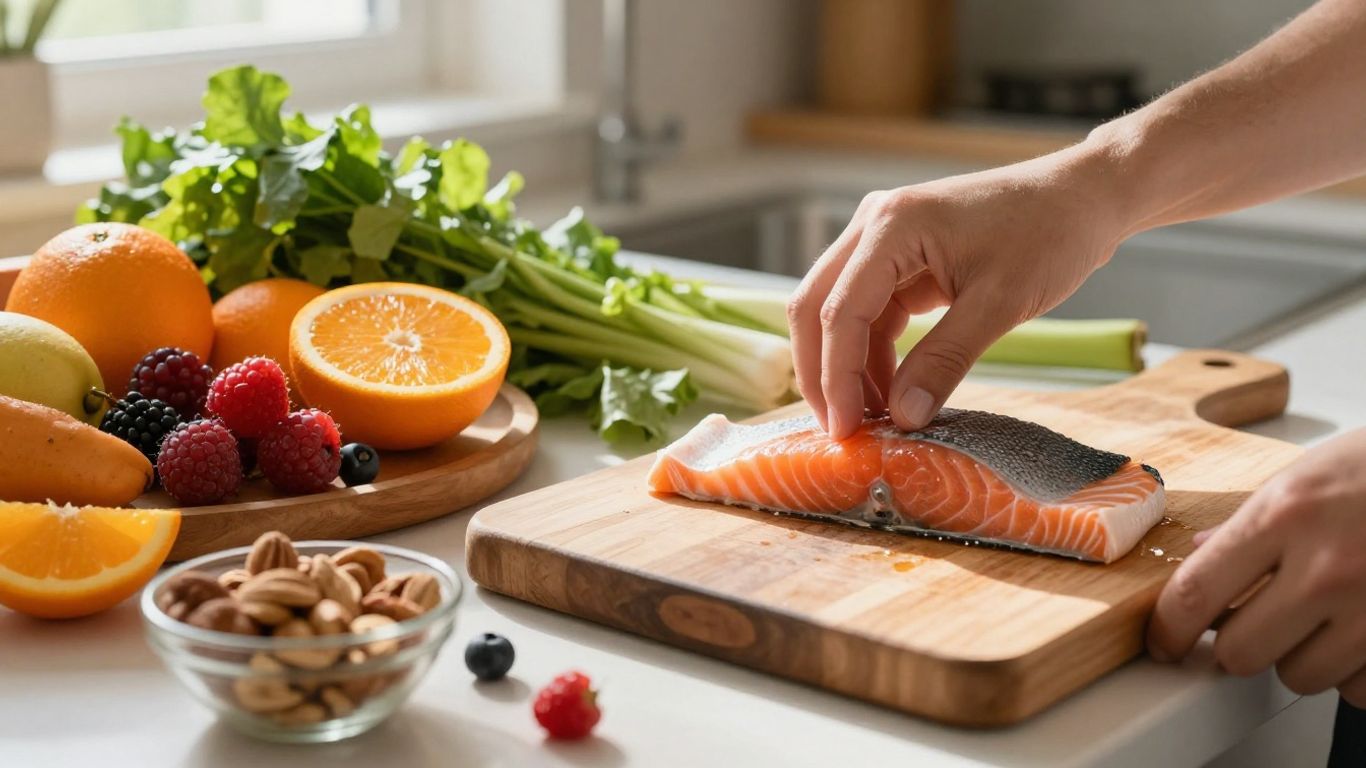
Feeling a bit down lately? It happens to everyone. While medication is an option, sometimes the simplest changes can make a big difference. We’re talking about what’s on your plate. Turns out, some foods can actually help lift your spirits and fight those blues. It’s not about drastic diets, but about making smart choices with foods that help in depression and boost your mood. Let’s explore some tasty options that can make you feel better, one bite at a time.
Key Takeaways
- Fatty fish, flaxseeds, and walnuts are packed with omega-3s, which are good for brain health and can help improve mood.
- Leafy greens and other vegetables provide folate and antioxidants, important for mental well-being, while fiber supports a healthy gut.
- Fruits like berries and bananas offer antioxidants and compounds that can naturally boost serotonin, a feel-good chemical.
- Lean proteins and healthy fats are vital for brain function, keeping you alert and focused.
- Dark chocolate and sweet potatoes offer natural mood enhancers, like endorphin boosters and sustained energy sources.
Embrace Omega-3 Rich Foods For A Brighter Mood
The Brain-Boosting Power of Fatty Fish
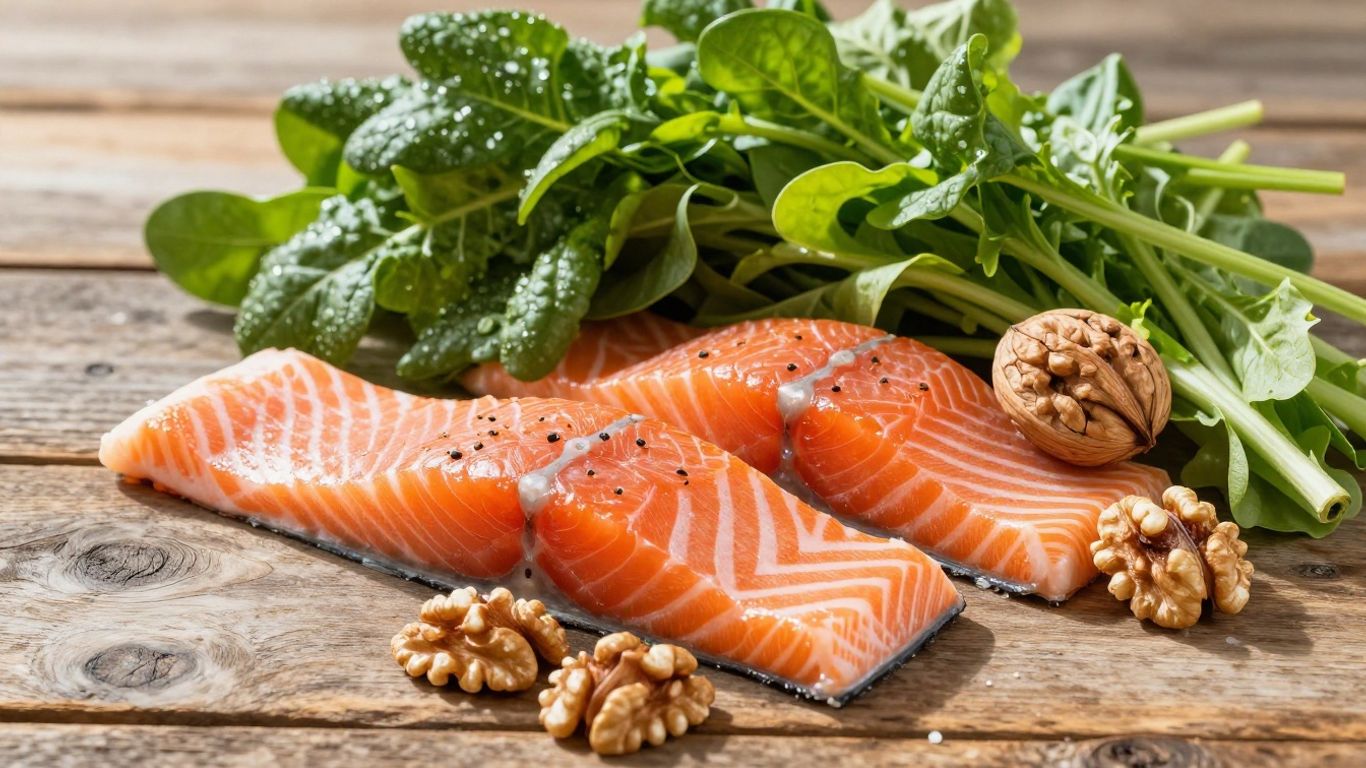
When we talk about foods that can really make a difference for your mood, fatty fish often comes up. Think salmon, mackerel, sardines, and herring. These aren’t just tasty; they’re packed with omega-3 fatty acids, specifically EPA and DHA. Our brains are actually made up of a lot of fat, and these omega-3s are a big part of that. They play a role in how our brain cells communicate and can help keep inflammation in check, which is something scientists are increasingly linking to mood issues.
Studies have looked into this connection, and some suggest that getting enough omega-3s might help with symptoms of depression. It’s not a magic cure, of course, but it’s a piece of the puzzle. Eating fish a couple of times a week is a good way to get these beneficial fats into your diet. If fish isn’t your favorite, don’t worry, there are other ways to get similar benefits, which we’ll get to.
Incorporating Flaxseeds and Walnuts
Okay, so maybe you’re not a huge fan of fish, or perhaps you’re looking for more plant-based options. Good news! You can still get those helpful omega-3s, plus other good stuff, from seeds and nuts. Flaxseeds, for example, are a fantastic source. The trick with flaxseeds is to grind them up before you eat them. This helps your body actually absorb the nutrients. You can sprinkle ground flaxseeds on your yogurt, oatmeal, or add them to smoothies.
Walnuts are another star player. They not only contain omega-3s but also magnesium. Magnesium is one of those minerals that seems to be involved in making feel-good chemicals in your brain, like dopamine and serotonin. So, a handful of walnuts can be a great snack. It’s about finding simple ways to add these nutrient-dense foods into your daily routine. Even small changes can add up over time.
It’s easy to think of food as just fuel, but it’s so much more. The foods we choose can actually impact how we feel, both physically and mentally. Focusing on whole, nutrient-rich options is a way to support your overall well-being, including your mood.
Discover The Benefits Of Leafy Greens And Vegetables
Folate-Rich Greens to Elevate Your Spirits
When you’re feeling down, the last thing you might think about is a big salad. But those leafy greens are actually packed with nutrients that can make a real difference in your mood. One of the stars here is folate, also known as Vitamin B9. Low levels of folate have been linked to depression, so getting enough is pretty important. Think spinach, romaine lettuce, and even things like Brussels sprouts and asparagus. They’re like little mood boosters hiding in plain sight.
Antioxidant Powerhouses for Mental Well-being
Beyond folate, leafy greens are loaded with antioxidants. These compounds help protect your body from damage caused by unstable molecules called free radicals. While this is good for your whole body, it’s also thought to play a role in mental health. Some research suggests that inflammation in the body might be connected to feeling depressed, and antioxidants can help fight that inflammation. So, loading up on a variety of colorful greens isn’t just good for your physical health; it’s a smart move for your brain too.
Fiber’s Role in Supporting Gut Health and Mood
Let’s talk about fiber. Leafy greens are a great source of it, and fiber does more than just help with digestion. It feeds the good bacteria in your gut, which is a big deal for your overall well-being, including your mood. The connection between your gut and your brain, often called the gut-brain axis, is a hot topic in health research. A healthy gut microbiome can influence how you feel, and the fiber from greens helps keep that microbiome happy and balanced. It’s a bit of a cycle: good gut health can lead to a better mood, and eating fiber-rich foods like greens is a key part of that.
Here’s a quick look at some top leafy greens and their benefits:
- Spinach: A fantastic source of folate and magnesium, which helps with feel-good brain chemicals.
- Kale: Packed with vitamins and antioxidants, it’s a nutritional powerhouse.
- Arugula: If you find plain greens a bit bland, arugula offers a peppery kick and still provides those important nutrients.
- Romaine Lettuce: A lighter option, but still contributes to your daily intake of vitamins and minerals.
It’s easy to overlook simple foods like salads when we’re feeling low, but incorporating a variety of leafy greens into your daily meals can be a simple yet effective way to support your mental well-being from the inside out. Don’t underestimate the power of these humble vegetables.
Savor The Sweetness Of Mood-Enhancing Fruits
Berries: A Delicious Source of Antioxidants
When you’re feeling down, reaching for something sweet is natural. But instead of processed sugars that can lead to a crash, consider nature’s candy: berries. These little powerhouses are packed with antioxidants, which are like tiny bodyguards for your brain cells, protecting them from damage. Think blueberries, strawberries, raspberries – they’re not just tasty, they’re also loaded with compounds that can help fight inflammation, a known contributor to low moods. Plus, they have a lower sugar content compared to many other sweet treats, making them a smarter choice.
- Blueberries: Often called a "superfood," they’re rich in anthocyanins, which give them their blue color and have strong antioxidant properties.
- Strawberries: A good source of Vitamin C, which plays a role in brain function and can help reduce fatigue.
- Raspberries: Offer a good amount of fiber, which is important for gut health, and also contain antioxidants.
Adding berries to your diet is a simple way to introduce more mood-supporting nutrients. You can toss them into your morning oatmeal, blend them into a smoothie, or just enjoy them by the handful. They’re a versatile and delicious way to give your mood a gentle lift.
Bananas and Their Serotonin-Boosting Properties
Bananas are more than just a convenient snack; they’re a natural mood booster. They contain tryptophan, an amino acid that your body converts into serotonin. Serotonin is often called the "feel-good" chemical because it plays a big part in regulating mood, sleep, and appetite. When serotonin levels are balanced, you tend to feel calmer and happier. Bananas also provide Vitamin B6, which helps with this conversion process, and natural sugars that offer a steady release of energy without the sharp spikes and dips you get from refined sweets.
The natural sweetness and satisfying texture of bananas make them a comforting food. They offer a gentle, sustained energy boost and contribute to the production of feel-good neurotransmitters, making them a smart choice when you need a little pick-me-up.
It’s pretty neat how a simple fruit can have such a direct impact on how we feel, right? They’re easy to find, easy to eat, and can be incorporated into so many different meals or enjoyed on their own. So next time you’re looking for a little something to brighten your day, don’t overlook the humble banana.
Nourish Your Brain With Quality Proteins And Healthy Fats
Lean Proteins for Alertness and Focus
Your brain needs a steady supply of protein throughout the day to keep you sharp and focused. Think of protein as the building blocks for neurotransmitters, those chemical messengers that play a big role in how you feel and think. When you don’t get enough, you might notice that foggy feeling or a general lack of get-up-and-go. It’s not just about feeling tired; it’s about your brain’s ability to do its job.
Good sources of protein include:
- Eggs: A versatile and complete protein source.
- Lean meats: Think chicken, turkey, or grass-fed beef.
- Fish: Especially fatty fish, which also bring omega-3s to the table.
- Legumes: Beans, lentils, and peas are great plant-based options.
- Tofu and tempeh: Soy-based proteins that are easy to incorporate.
Getting enough quality protein helps your brain stay alert and focused, which can make a real difference in your daily mood.
The Essential Role of Healthy Fats in Brain Function
It might sound counterintuitive, but fat is actually super important for your brain. In fact, about 60% of your brain is made of fat! The kind of fat you eat matters a lot. Healthy fats are like the oil that keeps your brain’s machinery running smoothly. They help with cell structure, communication between brain cells, and even reduce inflammation.
When we cut out all fat, we often end up reaching for processed foods that are loaded with sugar, which can actually make us feel worse. Instead, focus on incorporating good fats into your meals. These can help your brain function better and contribute to a more stable mood.
Here are some great ways to get healthy fats:
- Avocado: Creamy and full of monounsaturated fats.
- Nuts and Seeds: Walnuts, almonds, chia seeds, and flaxseeds are packed with good stuff.
- Olive Oil: Extra virgin olive oil is great for dressings and cooking.
- Fatty Fish: Salmon, mackerel, and sardines are rich in omega-3s.
Focusing on whole, unprocessed foods that contain both quality proteins and healthy fats is a smart move for your brain and your overall well-being. It’s about giving your brain the fuel it needs to function at its best, which can have a positive ripple effect on your mood.
Explore The World Of Spices And Herbs
Turmeric and Black Pepper for Anti-Inflammatory Support
Think about your spice rack. It’s probably full of little jars, right? Many of those spices aren’t just for making food taste good; they can actually help your brain feel better. Turmeric, that bright yellow spice, is a big one. It has something called curcumin, which is known for fighting inflammation in the body. When your body is less inflamed, your mood can often improve. It’s not a magic bullet, though. You can’t just eat a pinch of turmeric once and expect to feel amazing. It’s more about making it a regular part of how you cook.
And here’s a little trick: turmeric works even better when you add black pepper. Black pepper has a compound called piperine, which helps your body absorb the curcumin from turmeric. So, when you’re making a curry or a soup, a little sprinkle of both can go a long way. It’s a simple way to add a health boost to your meals without changing much.
Spices That Enhance Natural Flavors and Mood
Beyond the anti-inflammatory benefits, spices are fantastic for making food more interesting. Sometimes, feeling down can make food seem bland, and that doesn’t help. Using spices can bring back the pleasure of eating. Think about cinnamon in your oatmeal, or a bit of ginger in your tea. These aren’t just flavors; they can add a little warmth and comfort.
It’s also about moving away from processed foods. When you cook with fresh ingredients and use spices, you’re getting more natural goodness. This kind of eating, focusing on whole foods and natural flavors, can really make a difference over time. It’s about building a better relationship with food, seeing it as something that nourishes you in more ways than one.
Here are a few ideas to get you started:
- Cinnamon: Great in oatmeal, baked goods, or even sprinkled on coffee. It can add a touch of sweetness without sugar.
- Ginger: Wonderful in teas, stir-fries, and marinades. It has a warming effect and a nice zing.
- Cumin: Adds a savory depth to beans, meats, and vegetable dishes.
- Paprika: Offers a mild, smoky flavor and a nice color to many meals.
Making small changes, like adding a new spice to your cooking routine or choosing whole foods over processed ones, can add up. It’s not about perfection, but about consistent effort to eat in a way that supports your well-being.
The Comfort Of Dark Chocolate And Sweet Potatoes
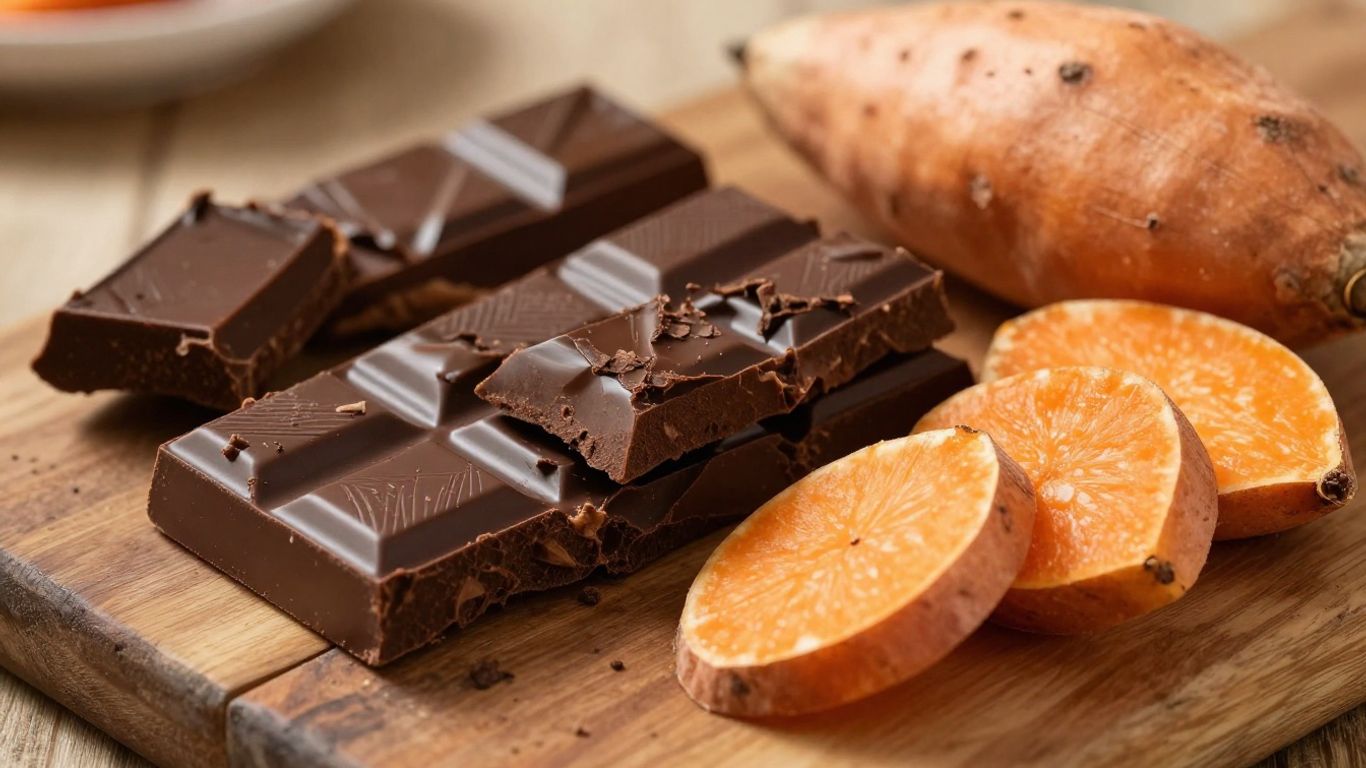
Sometimes, you just need something comforting, right? When you’re feeling down, reaching for a treat is natural. But what if those treats could actually help you feel better, instead of just offering a temporary fix? That’s where dark chocolate and sweet potatoes come in. They’re not just tasty; they pack a punch when it comes to lifting your mood.
Minimally Processed Cacao for Endorphin Release
Let’s talk about dark chocolate. Not the sugary candy bar kind, but the real deal – minimally processed cacao. This stuff is loaded with compounds that can actually make you feel good. Think of it as a little mood booster in every bite. It’s packed with antioxidants, and it can encourage your brain to release endorphins, those natural feel-good chemicals. Just a small amount, like a square or two a day, can make a difference. It’s best to look for organic, less processed options and maybe even try adding pure cacao powder to smoothies or baking with it. It’s about enjoying that rich flavor without all the extra sugar.
Complex Carbohydrates for Sustained Energy and Serotonin
Then there are sweet potatoes. They’re a fantastic source of complex carbohydrates, which means they give you steady energy without that awful sugar crash later. This sustained energy can help keep your mood more stable throughout the day. Plus, sweet potatoes have a special trick: they help your brain produce serotonin. Serotonin is a neurotransmitter that plays a big role in how we feel, and having enough of it is linked to better mood regulation. You can swap them for regular potatoes in savory dishes or even use them as a base for healthier desserts. They’re filling, nutritious, and surprisingly good for your mental well-being.
When you’re feeling low, the foods you choose can have a real impact. Opting for nutrient-dense, minimally processed options like dark chocolate and sweet potatoes can provide both immediate comfort and longer-term support for your mood. It’s about making choices that nourish your body and your mind.
Here’s a quick look at why these foods are great:
- Dark Chocolate: Contains compounds that can trigger endorphin release and provides antioxidants.
- Sweet Potatoes: Offer complex carbohydrates for sustained energy and help boost serotonin production.
It’s not about deprivation; it’s about smart choices that taste good and do good for your mood.
The Impact Of Gut Health On Your Mood
You know, it’s pretty wild how much is going on inside us that we don’t even think about. Turns out, our gut isn’t just for digesting food; it’s like a whole other brain, connected to our actual brain. This connection, called the gut-brain axis, means what happens in your stomach can really mess with or help your mood. Trillions of tiny bugs, the gut microbiome, live in there, and they talk to our brain. When these bugs are happy and balanced, it can make a difference in how we feel. It’s not just about feeling physically well; it’s about feeling mentally okay too.
Probiotic Foods for a Balanced Microbiome
So, how do we keep these gut bugs happy? Probiotic foods are a big part of that. These foods have live bacteria that are good for you. Think of them as tiny helpers for your gut. When you eat them regularly, they can help balance out the good and bad bacteria, which might lead to feeling better overall. Some studies have even shown that people who eat more probiotic foods tend to have lower scores for depression. It’s not a magic fix, but it’s a solid step.
Here are some easy ways to get more probiotics into your diet:
- Yogurt: Look for ones that say "live and active cultures" on the label. Plain yogurt is usually best, and you can add your own fruit.
- Kefir: This is a fermented milk drink, kind of like a thinner yogurt. It often has more strains of probiotics than yogurt.
- Sauerkraut: Fermented cabbage. Make sure it’s the unpasteurized kind found in the refrigerated section, not the shelf-stable stuff.
- Kimchi: A spicy Korean fermented cabbage dish. It’s got a kick and lots of good bacteria.
- Kombucha: A fermented tea drink. It can be a bit fizzy and has a unique taste.
Fermented Foods and Their Mental Health Connections
Fermented foods are basically foods that have gone through a process where microorganisms break down sugars. This process creates those beneficial probiotics we just talked about. But it’s not just about the probiotics themselves. The fermentation process can also create other compounds that might be good for our brains. Some research suggests that the anti-inflammatory effects from these healthy gut bugs can actually help reduce symptoms of depression. It’s like a chain reaction: good gut health leads to a happier brain.
It’s becoming clearer that what we eat directly impacts our mental state. Focusing on foods that support a healthy gut microbiome is a practical way to take care of our mood from the inside out. It’s about building a strong foundation for mental well-being, one bite at a time.
It’s important to remember that while these foods can help, they are part of a bigger picture. A diet rich in fiber, omega-3s, and other nutrients works best. Cutting back on processed foods and sugars is also key. Think of it as a team effort for your brain and body.
Putting It All Together
So, we’ve talked about how what we eat can really make a difference when we’re feeling down. It’s not about completely ditching everything you love, but more about making smart swaps. Think adding more colorful fruits and veggies, some good fats, and lean proteins to your plate. It might take a little time to see big changes, maybe a few weeks or even a couple of months, but these small steps add up. Remember, this is just one piece of the puzzle when it comes to managing depression, and it’s always a good idea to chat with a doctor or a professional if you’re struggling. But hey, enjoying a delicious meal that also happens to be good for your brain? That’s a win-win.
Frequently Asked Questions
How long does it take to feel better after changing my diet?
It can take a little while for your body and mind to adjust. Some people might notice small changes in their energy or mood within a few days or weeks. But for the most part, you’ll likely see bigger, lasting improvements in your mental health after about 6 to 12 weeks of eating healthier. It really depends on you, the foods you add, and if your body was missing any important nutrients.
Are there foods that can make depression or anxiety worse?
Yes, definitely. Foods packed with sugar, refined carbs (like white bread or pastries), too much caffeine, and alcohol can often make anxiety and mood swings worse. They can also increase feelings of depression. Swapping these out for whole, natural foods can help keep your mood more steady.
Do foods with probiotics really help with mood and anxiety?
There’s more and more proof that probiotics found in foods like yogurt, kefir, or sauerkraut can be good for your gut. A healthy gut is linked to a better mood and less anxiety, thanks to something called the gut-brain connection. While it’s not a magic fix on its own, eating these foods can be a helpful part of a diet that supports your mental well-being.
How can doctors help patients stick to eating healthier?
Doctors can help by suggesting small, easy steps first, like adding just one healthy snack each day. They can also give out helpful lists for shopping or preparing food. Celebrating even small wins during appointments is important. It’s also useful to talk about what makes it hard to eat healthy, like cost or not knowing how to cook, and find solutions together.
What should people eat if they have food restrictions like being vegan or gluten-free?
Even with food rules like veganism or avoiding gluten, you can still eat well for your mood! Focus on whole, unprocessed foods. For vegans, this means plenty of fruits, vegetables, beans, lentils, nuts, and seeds. For those avoiding gluten, choose gluten-free whole grains like quinoa, brown rice, and oats (if tolerated), along with all the fruits, veggies, nuts, and seeds. The key is variety and choosing nutrient-dense options.
Can eating dark chocolate really boost my mood?
Yes, a little bit of dark chocolate can be a mood lifter! The key is to choose chocolate that has a high percentage of cacao (like 70% or more) and is minimally processed. Cacao contains compounds that can help release feel-good chemicals in your brain called endorphins. Just remember, a small amount, like a square or two a day, is usually enough to get the benefit without too much sugar.