Person looking down, head in hands, somber mood.

Recognizing the Signs of Someone with Depression: A Comprehensive Guide

Recognizing the Signs of Someone with Depression: A Comprehensive Guide.

It can be tough to figure out if someone you care about is going through a hard time with depression. Sometimes it’s obvious, but other times, the signs are more hidden. This guide is here to help you spot the signs of someone with depression, so you can offer support or encourage them to get help. Knowing what to look for is the first step in making a difference.

Key Takeaways

  • Look out for ongoing sadness, hopelessness, or irritability as emotional signs.
  • Notice changes in behavior like losing interest in hobbies or pulling away from people.
  • Pay attention to difficulties with thinking clearly, sleeping, or eating patterns.
  • Be aware of less obvious signs such as unexplained aches or neglecting responsibilities.
  • If symptoms persist or if there are thoughts of self-harm, encourage seeking professional help.

Emotional Signs of Depression

When we talk about depression, it’s easy to think of it as just feeling sad. But it’s so much more than that. The emotional landscape of depression can be really complex and deeply affect how someone experiences the world. It’s not just a bad mood that passes; it’s a persistent shift that can feel overwhelming.

Persistent Sadness or Empty Mood

This isn’t just about having a rough day. It’s a deep, lingering feeling of sadness, emptiness, or a general lack of emotion that sticks around. It can feel like a heavy blanket you can’t shake off, making it hard to find joy in things that used to bring happiness. Sometimes, people describe it as feeling numb or just going through the motions without any real feeling.

Feelings of Hopelessness and Helplessness

This is a really tough one. People experiencing depression often feel like there’s no way out of their situation. They might see the future as bleak, believing that nothing will ever get better and that they have no control over their circumstances. It’s like being stuck in a dark tunnel with no light at the end. This sense of helplessness can be incredibly paralyzing.

Irritability and Restlessness

While sadness is a common association, depression can also show up as a short temper or a feeling of being constantly on edge. Small things might set someone off, or they might feel agitated and unable to relax. This restlessness can be exhausting, making it hard to sit still or focus. It’s a kind of internal buzzing that just won’t quit.

It’s important to remember that these emotional states, while distressing, are symptoms of a treatable condition. They are not a reflection of a person’s character or a sign of weakness. Recognizing these feelings is the first step toward seeking help and finding a path to recovery. You can find more information about identifying potential indicators of depression at this resource.

Here are some common emotional experiences associated with depression:

  • A pervasive sense of gloom or a feeling of being emotionally flat.
  • Believing that things will never improve and that one is powerless to change their situation.
  • Experiencing frustration, agitation, or a general feeling of being keyed up.
  • Intense feelings of guilt or worthlessness, often disproportionate to the actual situation.

These emotional shifts can significantly impact daily life, making even simple tasks feel monumental. It’s a heavy burden to carry, and understanding these signs is key to offering support.

Behavioral Changes Indicating Depression

Sometimes, depression doesn’t just make you feel bad; it can actually change how you act. You might notice yourself pulling away from people or things you used to enjoy. It’s like a switch flips, and suddenly, your favorite hobbies just don’t seem interesting anymore. This loss of interest, or anhedonia, can be a big sign that something’s not right.

Another common change is social withdrawal. You might find yourself avoiding friends and family, preferring to be alone. It’s not necessarily because you don’t like them, but more like you just don’t have the energy or the desire to socialize. This can lead to feeling even more isolated, which, unfortunately, can make the depression worse.

Here are some common behavioral shifts to look out for:

  • Loss of Interest in Activities: Things that once brought joy, like hobbies, sports, or even just spending time with loved ones, no longer hold appeal. It feels like the ‘fun’ has been drained out of life.
  • Social Withdrawal and Isolation: A tendency to pull away from social interactions, preferring solitude. This can manifest as declining invitations, avoiding calls, or spending more time alone at home.
  • Increased Risk-Taking or Impulsivity: In some cases, people might engage in behaviors that are out of character, such as reckless driving, excessive spending, or substance abuse. This can be a way of trying to escape difficult feelings or seeking a temporary thrill.

It’s also worth noting that sometimes these behavioral changes can be subtle. You might start neglecting responsibilities at work or home, or your personal hygiene might slip. These aren’t always obvious signs, but they can be indicators that someone is struggling.

When someone is depressed, their behavior can shift in ways that might not be immediately obvious. It’s not always about being sad; it can be about a lack of motivation, a withdrawal from life, or even acting out in ways that seem unlike them. Paying attention to these changes can be key to recognizing that help might be needed.

Cognitive and Physical Manifestations of Depression

Person looking down, head in hands, conveying sadness.

Sometimes, depression doesn’t just hit you in the feels; it messes with your head and your body too. It’s like your brain and your body are running on empty, and everything feels like a struggle. These aren’t just ‘in your head’ symptoms; they’re real and can significantly impact your daily life.

Difficulty Concentrating and Making Decisions

Ever feel like your brain is foggy? That’s a common one. People with depression often find it tough to focus on tasks, whether it’s at work, reading a book, or even following a conversation. Making even simple choices can feel overwhelming, leading to a lot of indecision and frustration. It’s like your mental gears are grinding slowly.

Changes in Sleep Patterns

Sleep can go haywire. Some folks can’t get enough sleep, tossing and turning all night, or waking up way too early with their mind racing. Others might find themselves sleeping way more than usual, almost as if they’re trying to sleep their feelings away. This disruption can leave you feeling exhausted, no matter how much time you spend in bed.

Altered Appetite and Weight Fluctuations

Your relationship with food might change too. You might lose your appetite completely, finding that food just doesn’t taste good anymore, leading to weight loss. On the flip side, some people find comfort in eating, leading to increased cravings, especially for sugary or fatty foods, and subsequent weight gain. It’s a significant shift that can affect your physical health.

Fatigue and Lack of Energy

This isn’t just feeling a bit tired after a long day. This is a deep, bone-weary exhaustion that doesn’t go away, even after resting. Getting out of bed can feel like a monumental task, and everyday chores can seem impossible. It drains your motivation and makes it hard to do anything, impacting your ability to maintain your well-being.

It’s important to remember that these physical and cognitive symptoms are not a sign of weakness. They are direct results of how depression affects brain chemistry and function. Acknowledging them is the first step toward getting the right support.

Here are some common cognitive and physical signs:

  • Trouble remembering things.
  • Feeling sluggish or slowed down.
  • Experiencing unexplained aches and pains, like headaches or digestive issues.
  • A noticeable drop in your sex drive.

If you’re noticing these changes in yourself or someone you care about, it’s a good sign that it’s time to talk to a doctor or mental health professional. They can help figure out what’s going on and how to make things better.

More Subtle Signs of Depression

Sometimes, depression doesn’t show up as the obvious sadness or loss of interest we often hear about. It can creep in, making itself known in ways that are easy to overlook, both for the person experiencing it and for those around them. These less apparent signs can be just as impactful, affecting daily life in significant ways.

Unexplained Physical Aches and Pains

It might sound strange, but depression can actually cause physical discomfort. People might experience headaches, stomach issues, or general body aches that don’t have a clear medical reason. Doctors often call these ‘somatization’ – when emotional distress shows up as physical symptoms. It’s like your body is trying to tell you something is wrong, even if your mind isn’t fully acknowledging the emotional side.

Neglecting Responsibilities

This isn’t about laziness. When someone is depressed, even simple tasks can feel overwhelming. This can lead to a noticeable drop in how they manage their responsibilities at work, school, or home. Bills might go unpaid, appointments missed, or the house might become unkempt. It’s not a lack of caring; it’s a sign that their energy and motivation have been severely depleted.

Changes in Libido

Depression can really mess with a person’s sex drive. For some, interest in sex might disappear completely, while others might find themselves engaging in riskier sexual behavior as a way to feel something, anything. This change can be a private struggle, adding another layer of difficulty to relationships and self-esteem.

It’s important to remember that these signs aren’t always obvious. They can be mistaken for personal failings or just a bad mood. Recognizing them is the first step toward understanding that something more serious might be going on.

Here are a few more points to consider:

  • Difficulty with daily routines: Things like showering, getting dressed, or preparing meals can become monumental tasks.
  • Increased irritability: While sadness is common, some people with depression become unusually short-tempered or easily annoyed.
  • Changes in personal appearance: A noticeable decline in grooming or attention to how they look can be a sign.

If you notice a pattern of these subtle changes in yourself or someone you know, it’s worth paying attention. They might be signals that professional help could make a real difference.

Recognizing Depression in Different Individuals

It’s important to remember that depression doesn’t show up the same way for everyone. Age, gender, and even personal coping styles can change how the signs appear. Understanding these differences can help us spot it when it’s happening.

Depression Symptoms in Men

Men sometimes express depression differently than women. Instead of feeling overtly sad, they might seem more irritable, angry, or restless. Some men might also throw themselves into risky behaviors or use alcohol or drugs more than usual as a way to cope. It’s not uncommon for men to focus on physical complaints, like headaches or stomach issues, rather than talking about their feelings. This tendency to mask emotional pain with physical symptoms can make depression harder to recognize in men.

Depression Symptoms in Women

While women can experience the same symptoms as men, they are also more likely to report persistent sadness, feelings of worthlessness, and crying spells. Women might also experience significant changes in appetite and sleep patterns, often leading to weight fluctuations. It’s also worth noting that women are diagnosed with depression more often than men, though this could be partly due to societal factors influencing how symptoms are reported and perceived. The prevalence of depression symptoms globally can be quite high, affecting a significant portion of the population [54ad].

Depression Symptoms in Teens and Children

Depression in younger individuals can manifest in ways that might be mistaken for typical childhood or teenage behavior. Children might complain of physical aches and pains, refuse to go to school, or become unusually clingy. Older children and teens might become more irritable, get into trouble at school, or withdraw from friends and family. They may also experience changes in sleep and appetite, similar to adults, but can also show signs like low self-esteem or a generally negative outlook on life. It’s not uncommon for teens to also struggle with other issues like anxiety or eating disorders alongside depression.

Recognizing these varied presentations is key. What looks like ‘acting out’ in a teen might be a sign of deep distress, and what seems like ‘just being stressed’ in an adult man could be a symptom of depression.

When to Seek Help for Depression

Person sitting alone on a park bench looking down.

It’s tough when you’re feeling down, and sometimes it’s hard to tell if it’s just a bad mood or something more serious. But if these feelings stick around and start messing with your everyday life, it’s definitely time to think about getting some support. Don’t wait until things feel completely overwhelming. Reaching out is a sign of strength, not weakness.

Persistent Symptoms Interfering with Daily Life

If you’ve been feeling sad, empty, or just generally ‘off’ for a couple of weeks or more, and it’s making it hard to do the things you normally do, that’s a big signal. Maybe you’re struggling to get out of bed, finding it impossible to focus at work, or you’ve stopped caring about things you used to enjoy. These aren’t just minor inconveniences; they’re signs that depression might be taking hold and impacting your ability to function.

  • Motivation dips: You find yourself consistently late for work or skipping important tasks because you just can’t seem to get going.
  • Social disconnect: You’re pulling away from friends and family, preferring to be alone even when you used to enjoy their company.
  • Daily tasks feel huge: Simple things like showering, eating, or keeping your living space tidy become monumental efforts.

If these kinds of things are happening, it’s a good idea to talk to someone. You can explore options for depression therapy to see what might help.

Thoughts of Death or Suicide

This is the most serious sign, and it needs immediate attention. If you’re having thoughts about ending your life, or if you feel like life isn’t worth living, please know that you’re not alone and help is available. These thoughts can feel incredibly powerful and permanent, but they are often temporary and treatable. Don’t try to handle this by yourself.

If you or someone you know is struggling with thoughts of suicide, reach out immediately. You can call or text the 988 Suicide and Crisis Lifeline in the US, or find a local helpline if you’re elsewhere. There are people who want to support you through this.

Encouraging Others to Seek Support

Sometimes, we notice the signs in people we care about before they acknowledge them themselves. If you’re worried about a friend or family member, gently encourage them to talk to a doctor or a mental health professional. You can offer to help them find resources or even go with them to an appointment. Just letting them know you’re there for them can make a big difference. Remember, supporting someone doesn’t mean you have to fix everything yourself; it means helping them get the right help.

Moving Forward

Spotting the signs of depression in yourself or someone you care about is a big step. It’s not always easy to see, especially when things come on slowly. But knowing what to look for can make a real difference. Remember, feeling this way isn’t a sign of weakness, and it’s definitely not something you have to go through alone. Reaching out for help is a sign of strength, and there are people ready to support you. Whether it’s talking to a doctor, a therapist, or a trusted friend, taking that first step can lead to feeling better. If you or someone you know is in crisis, please reach out to the 988 Suicide and Crisis Lifeline. You matter, and help is available.

Frequently Asked Questions

What are the main signs that someone might be depressed?

Someone who is depressed might seem really sad or empty for a long time. They might also lose interest in things they used to enjoy, feel hopeless, or get easily annoyed. Sometimes, they might withdraw from friends and family or have trouble focusing.

Can depression cause physical problems?

Yes, it can. People with depression might feel tired all the time, have trouble sleeping (either sleeping too much or too little), or notice changes in their appetite, like eating a lot more or less. They might also have unexplained aches and pains.

How is depression different from just feeling sad?

Everyone feels sad sometimes. But depression is more than just a bad mood. It’s a condition that lasts for weeks or months and makes it hard to do everyday things like work, school, or spending time with people you care about. It affects your thoughts, feelings, and body.

Are there specific signs of depression in men or women?

While many signs are similar, men might show more anger or irritability, or take more risks. Women might experience more sadness, anxiety, or feel guilty. However, depression can look different in everyone, regardless of gender.

What should I do if I think a friend or family member is depressed?

The best thing you can do is encourage them to talk to a doctor or a mental health professional. Let them know you care and are there for them. If they mention harming themselves, it’s important to get help right away by calling a crisis line or emergency services.

When is it time to seek professional help for depression?

If you’ve been feeling down, hopeless, or have lost interest in things for more than two weeks, and it’s making it hard to get through your day, it’s a good idea to talk to a healthcare provider. If you ever have thoughts of death or hurting yourself, seek help immediately.
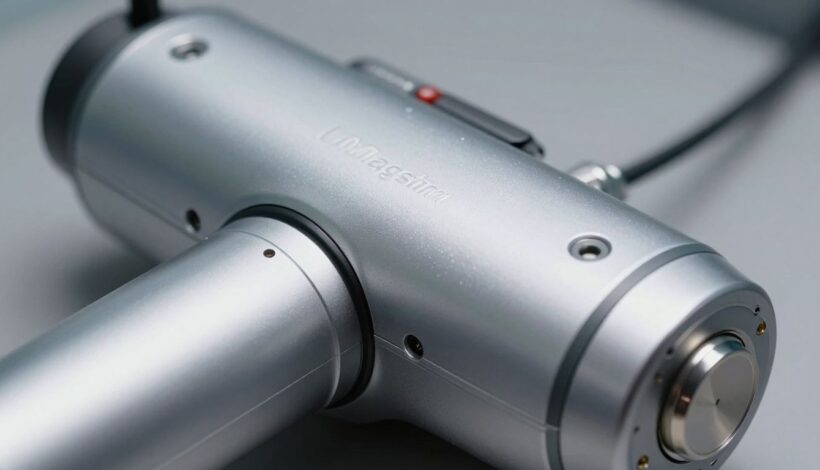
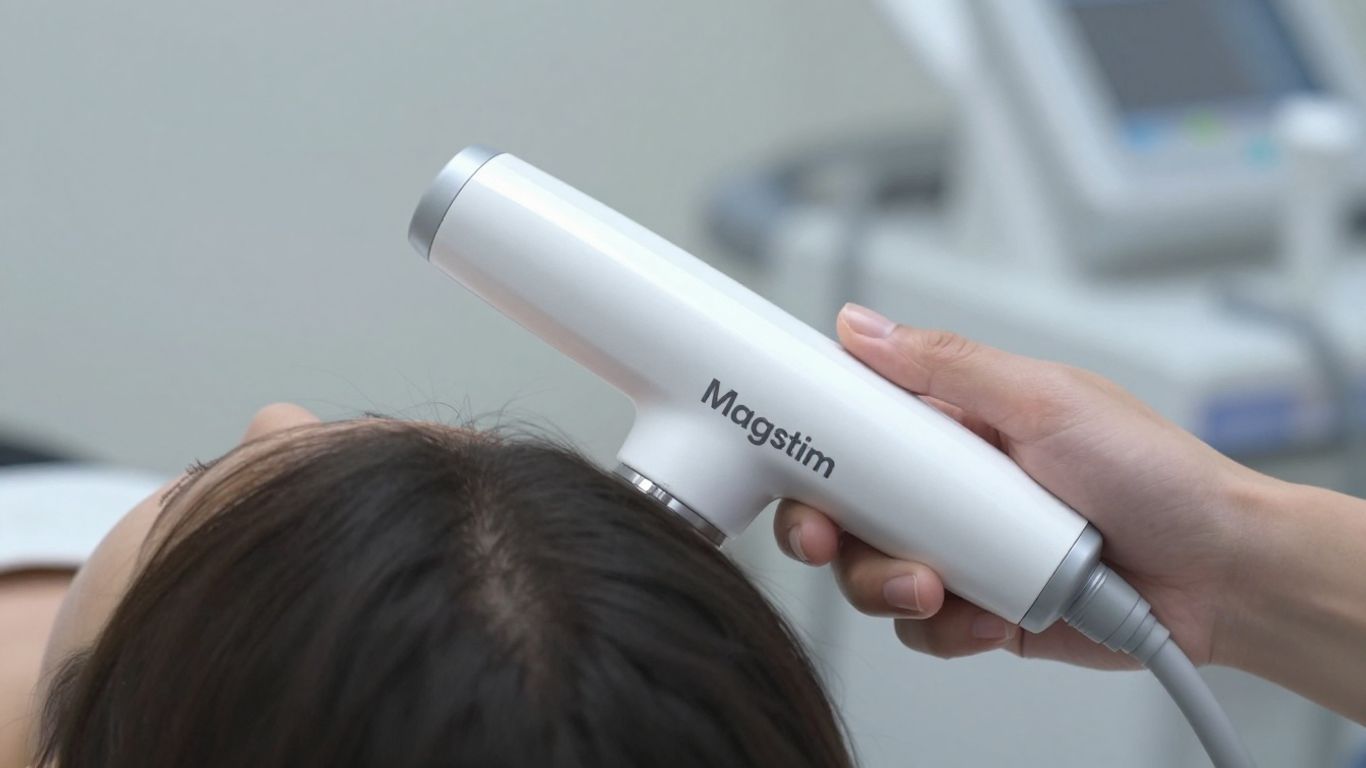
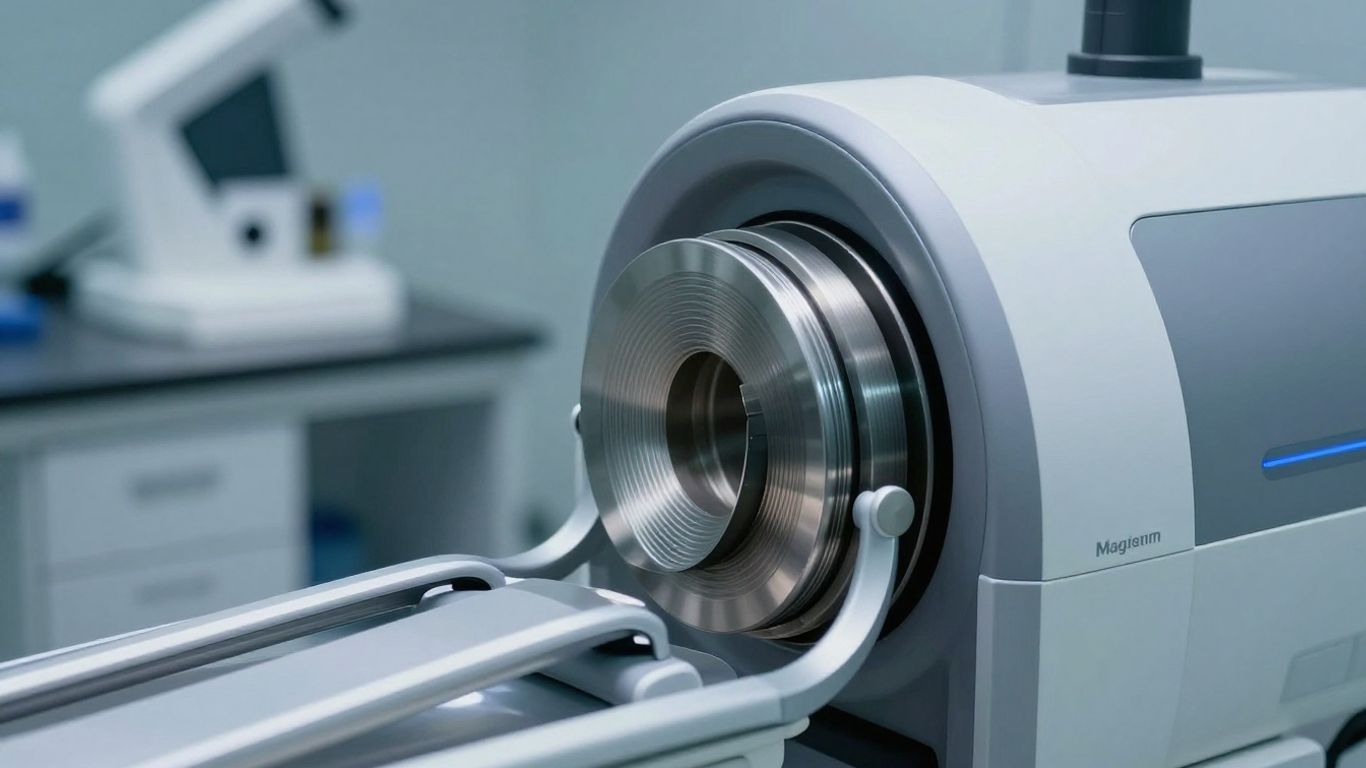
Magstim neurotechnology device with advanced components.

Exploring the Innovations of Magstim in Neurotechnology

Exploring the Innovations of Magstim in Neurotechnology.

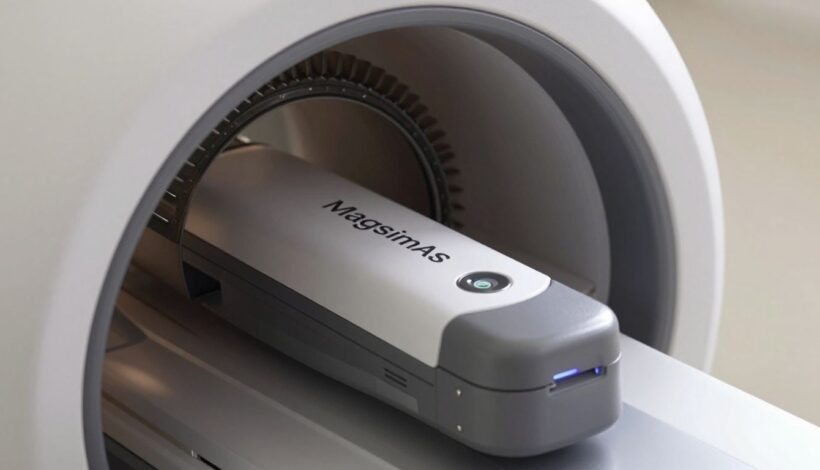
Magstim has been doing cool stuff in the world of brain technology for a long time. They make devices that can interact with the brain and nerves without surgery. Think of it like a high-tech way to help people with different conditions, from pain to brain disorders. They’ve got a solid reputation and their equipment is used by researchers and doctors all over the place. It’s pretty interesting how these machines work and what they can do.

Key Takeaways

  • Magstim has a long history of creating magnetic stimulation tools, trusted by many researchers and doctors globally.
  • The Magstim Rapid system has new features for better performance and easier use, with flexible settings for different needs.
  • Magstim Rapid has FDA clearance for treating chronic pain, offering a non-drug, non-invasive option.
  • Magstim’s technology supports research into various brain conditions like depression, Alzheimer’s, and Parkinson’s.
  • Magstim offers a range of neurotechnology solutions, including EEG systems, and works with other tools for a complete approach.

Magstim’s Pioneering Role in Neuromodulation

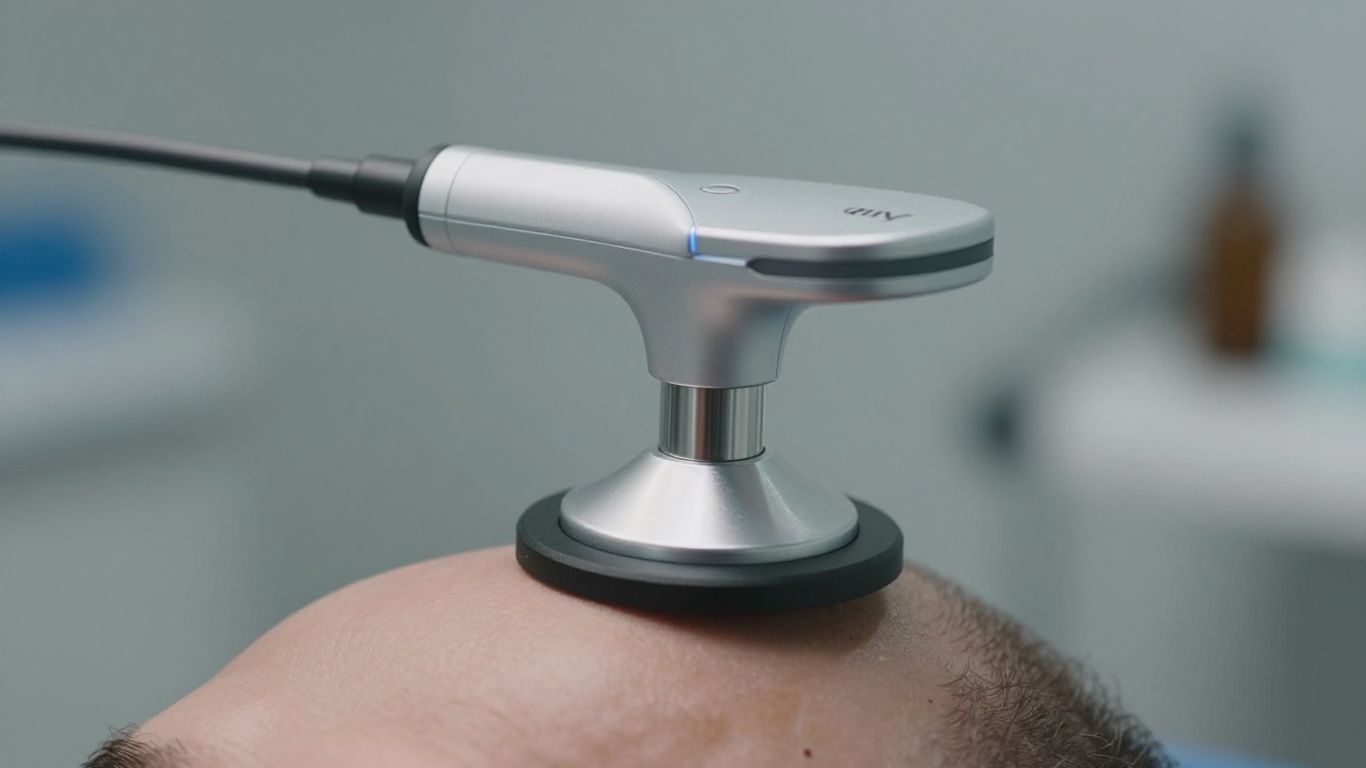
Magstim TMS coil near a human head.

A Legacy of Innovation in Magnetic Stimulation

Magstim has been in the magnetic stimulation game for a long time, over 35 years to be exact. They’ve really been a big part of how we understand and use magnetic stimulation for both research and helping people. Think of them as one of the companies that helped get this whole field off the ground. Their equipment is used all over the world, in tons of studies – we’re talking over 15,000 scientific papers mention their tech. That kind of widespread use means a lot of doctors and scientists really trust what they make.

Trusted by Global Research and Clinical Communities

It’s not just a few people using Magstim; it’s a global community. Researchers in universities, doctors in hospitals, and clinicians in specialized clinics all rely on Magstim’s tools. This trust comes from years of reliable performance and technology that keeps up with scientific needs. When you see a company’s name pop up in so many research studies, it tells you they’re doing something right and that their equipment is dependable for serious work.

Shaping the Future of Non-Invasive Therapies

Magstim isn’t just about the present; they’re actively working on what’s next in non-invasive treatments. They’ve been instrumental in developing ways to interact with the nervous system without surgery or drugs. This focus on non-invasive methods is changing how we approach a lot of health issues, offering new hope for patients who might not have had many options before. Their work is paving the way for therapies that are safer and easier for patients to undergo.

The development of non-invasive neuromodulation techniques represents a significant shift in healthcare. By using magnetic fields to influence nerve activity, Magstim is contributing to a future where treatments can be more targeted, less burdensome, and accessible to a wider range of individuals seeking relief from various neurological and pain conditions.

Advancements in Magstim Rapid Technology

Next-Generation Features for Enhanced Performance

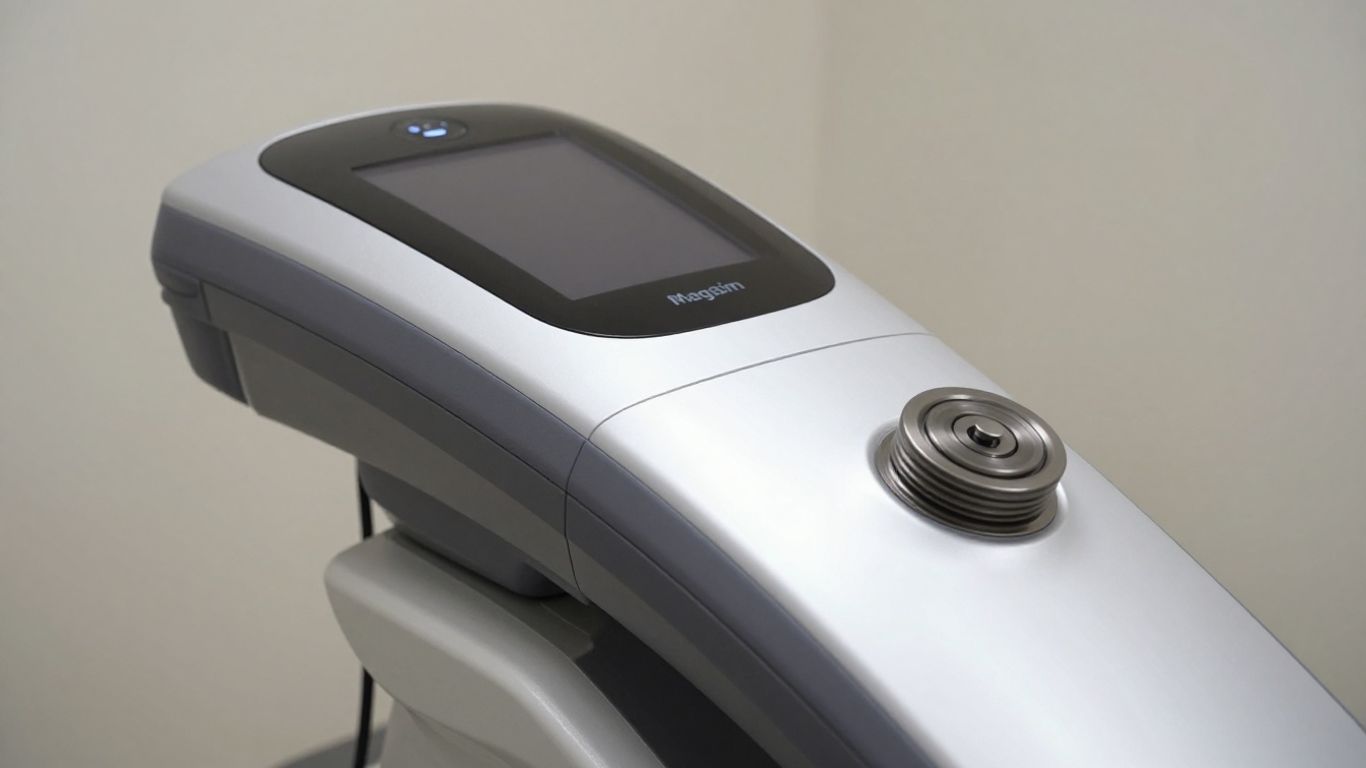
The Magstim Rapid system has seen some serious upgrades, making it even better for both research and clinical work. They’ve packed in new tech that really pushes what magnetic stimulation can do. The whole system is built to be more adaptable and perform better than ever before. It’s got a bigger, 15-inch touchscreen that makes it way easier to see what you’re doing, and the software is much more user-friendly with clearer steps to follow. Plus, managing patient data is now a smoother process, which is a big deal when you’re dealing with a lot of information.

Intuitive Software and Streamlined Data Management

One of the biggest changes is how easy the new software is to use. It’s designed with clear workflows, so you spend less time figuring out the controls and more time on the actual stimulation. This makes it simpler to set up sessions and track progress. The data management tools are also improved, helping you keep all your patient information organized and accessible. This is super important for research studies where accurate record-keeping is key. You can find out more about their advanced air-cooled TMS coil technology which helps keep treatments running smoothly.

Versatile Pulse Configurations for Diverse Applications

Magstim didn’t just update the interface; they also expanded the system’s capabilities. The Rapid now offers a wider range of pulse configurations to suit different needs. This includes:

  • Standard repetitive TMS protocols
  • Burst stimulation
  • Biphasic pulse stimulation

These options come in different frequencies, like the Standard Rapid at 50Hz and the Super Rapid versions at 100Hz. This flexibility means the system can be used for a lot of different research areas and therapeutic applications, from studying brain pathways to treating various conditions. It’s this kind of adaptability that makes the Magstim Rapid a go-to tool in many labs and clinics.

FDA Clearance and Clinical Applications of Magstim

Magstim TMS device used in neurotechnology

Magstim Rapid Cleared for Pain Management

It’s pretty big news that the Magstim Rapid system has received FDA clearance for treating chronic pain. This means a lot more people can now access a treatment that doesn’t involve drugs or surgery. It works by using magnetic pulses to interact with the nerves involved in how we feel pain. This clearance opens the door for a non-invasive, drug-free option for millions struggling with persistent discomfort.

Targeting Neural Pathways for Chronic Pain Relief

The Magstim Rapid system is designed to specifically target the nerve pathways that play a role in pain. It does this by placing a magnetic coil over a specific area, sending pulses that can reach nerves through the skin and soft tissues. The goal is to reduce pain intensity, help people move better, and generally improve their day-to-day lives. It’s a way to address pain at its source without needing implants or medications.

Expanding Access to Non-Drug, Non-Invasive Therapies

This development is a significant step forward in how we manage chronic pain. For a long time, options were limited, often involving medications with side effects or invasive procedures. Now, with FDA clearance, Magstim Rapid offers a validated, safe alternative. It’s particularly helpful for conditions like:

  • Post-traumatic pain
  • Post-surgical pain
  • Chronic intractable pain

This technology is suitable for adults aged 18 and older, providing a new avenue for relief and a reduced reliance on traditional pain management methods.

Magstim’s Impact on Brain Disorder Research

Supporting Research in Depression and OCD

Magstim’s technology has been a go-to tool for researchers looking into conditions like depression and Obsessive-Compulsive Disorder (OCD). It’s used to explore how different parts of the brain connect and function, which is key to understanding these complex disorders. By using Magstim’s systems, scientists can investigate specific brain circuits that might be involved, helping to develop new ideas for treatments. The ability to precisely target brain areas with magnetic pulses makes it a powerful method for studying the underlying mechanisms of these conditions.

Investigating Alzheimer’s and Parkinson’s Disease

When it comes to neurodegenerative diseases such as Alzheimer’s and Parkinson’s, Magstim plays a role in research aimed at understanding how these conditions progress and how to potentially slow them down. Researchers use Magstim devices to examine brain activity and connectivity in individuals with these diseases. This helps in mapping out the changes happening in the brain over time and looking for ways to intervene. It’s all about getting a clearer picture of what’s going wrong at a neural level.

Applications in Autism and Stroke Recovery

Beyond depression and neurodegenerative conditions, Magstim’s technology is also being applied to research in autism spectrum disorder and stroke recovery. For autism, studies might look at how brain networks differ and if neuromodulation can help with certain social or communication challenges. In stroke recovery, the focus is on whether Magstim can help reawaken dormant neural pathways or support the brain’s natural ability to reorganize itself after injury. It’s a diverse area of research, showing how adaptable this technology is.

The ongoing exploration of brain disorders using Magstim’s tools highlights a shift towards understanding the brain’s intricate networks. This approach moves beyond just treating symptoms to investigating the root causes within neural circuitry. It’s a methodical process, building knowledge piece by piece.

Integration and Collaboration in Neurotechnology

Synergy with EEG and EMG Modalities

Magstim’s technology doesn’t operate in a vacuum. It’s designed to work alongside other important tools in the neurotech toolkit. Think about electroencephalography (EEG), which measures brain’s electrical activity, or electromyography (EMG), which looks at muscle electrical activity. Combining Magstim’s magnetic stimulation with these methods gives researchers a much clearer picture. You can see how the brain responds electrically to magnetic pulses in real-time. This kind of combined approach is really helpful for understanding complex brain functions and how different areas talk to each other. It’s like adding more senses to your observation.

Seamless Integration with Navigation Software

Getting the magnetic stimulation exactly where you want it in the brain is key. That’s where navigation software comes in. Magstim systems can link up with these advanced programs. This means you can plan your stimulation sessions with precision, often using imaging data like MRI scans. The software guides the coil placement, making sure you hit the right spot every time. This accuracy is a big deal for both research and making sure treatments are consistent. It takes a lot of the guesswork out of the process, which is good for everyone involved.

Fostering Collaboration Through Conferences

Innovation in neurotechnology doesn’t happen in isolation. Conferences and workshops play a big role. Magstim often participates in these events, showing off their latest gear and talking with scientists and doctors. These gatherings are great places to share ideas, discuss new research findings, and see how different technologies can work together. It’s where people connect and new projects get started. For example, events like the DGKN conference bring together folks interested in everything from TMS to high-density EEG, creating a space for shared learning and future developments in neuromodulation.

Working with other systems and sharing knowledge at events helps push the whole field forward. It means we can get a better handle on brain conditions and find new ways to help people.

The Magstim Ecosystem and Welcony Brands

Magstim isn’t just about one device; it’s part of a bigger picture under the Welcony umbrella. Think of Welcony as the parent company that brings together several specialized brands, all focused on different parts of neurotechnology. This means you get more than just magnetic stimulation. You also get access to things like MagstimEGI, which is all about high-density EEG, and other brands that handle things like nerve monitoring during surgery. It’s like a one-stop shop for brain and nerve tech.

Magstim Magnetic Stimulation

This is the core of what Magstim is known for. They’ve been doing magnetic stimulation for a long time, and their equipment is used all over the world in research and clinics. It’s the technology that helps scientists study the brain and clinicians treat conditions like chronic pain. The Magstim Rapid system, for instance, has FDA clearance for pain management, offering a non-drug, non-invasive way to help people.

MagstimEGI High-Density EEG

Beyond magnetic stimulation, Magstim also provides advanced EEG systems through MagstimEGI. These systems are designed for high-density electroencephalography, meaning they can capture very detailed brain activity. This is super useful for researchers trying to understand brain function in more detail, looking at things like sleep patterns, cognitive processes, or neurological disorders. It complements the stimulation side by allowing for detailed measurement of brain responses.

Complementary Neurotechnology Solutions

Welcony, as a whole, brings together a range of technologies that work together. Besides Magstim’s stimulation and MagstimEGI’s EEG, they also have brands like Technomed for clinical neurophysiology and Neurosign for monitoring nerves during operations. This collection of brands means that if you’re working in a hospital or a research lab, you can likely find multiple tools from Welcony that fit your needs. They aim to provide a full suite of tools for studying and treating the nervous system.

Looking Ahead

So, what does all this mean for the future? Magstim has been around for a while, over 35 years actually, and they’ve really built a name for themselves in brain stimulation tech. They’re behind a lot of the research you see out there, and their equipment is used everywhere from big research labs to regular clinics. The Magstim Rapid system, for example, is now FDA cleared for pain relief, which is a pretty big deal. It means more people can get non-drug, non-invasive help for chronic pain. They’re always updating their gear, like the new Rapid system with its fancy touchscreen and easier software. It seems like they’re really focused on making this technology more accessible and useful for both doctors and patients. It’s exciting to see where they go next with all this.

Frequently Asked Questions

What is Magstim and what does it do?

Magstim is a company that makes special machines for helping the brain and nerves. These machines use magnetic pulses to gently change how nerves work. It’s like giving your brain a little nudge to help it work better, especially for things like pain or certain brain conditions. They have been doing this for a long time and lots of scientists and doctors use their tools.

Is Magstim safe to use?

Yes, Magstim’s technology is considered safe. It’s a non-invasive method, meaning it doesn’t require surgery or needles. The U.S. Food and Drug Administration (FDA) has cleared their Magstim Rapid system for certain uses, like helping with chronic pain. Many studies have looked at how it works, and doctors and researchers trust it.

What kind of problems can Magstim help with?

Magstim machines can help with a few different things. They are used to help people with long-lasting pain that doesn’t go away easily. They are also used a lot in research to understand brain problems like depression, OCD (which is like having strong worries), Alzheimer’s, and Parkinson’s disease. Scientists are also looking into how it might help with recovery after a stroke or with autism.

How does Magstim work for pain relief?

For pain, Magstim uses magnetic pulses aimed at specific nerves. These pulses help calm down the nerves that are sending pain signals. It’s a way to reduce pain without using medicine, injections, or surgery. This can lead to less pain, better movement, and a better overall feeling for the person.

Can Magstim machines connect with other tools?

Yes, Magstim machines are designed to work well with other important tools used in studying the brain. For example, they can be used together with EEG (which measures brain waves) and EMG (which measures muscle activity). They also work with special computer programs that help guide where the magnetic pulses should go, making the treatment more precise.

What is the MagstimEGI part of Welcony?

Welcony is a company that offers different tools for brain science and health. Magstim Magnetic Stimulation is one part, focusing on magnetic pulses. MagstimEGI is another part that specializes in high-density EEG, which is a very detailed way to measure brain activity. Together, these and other Welcony brands offer a complete set of tools for studying and treating brain-related issues.

Deep brain stimulation device with electrodes and wires.

Advancements in Deep Brain Stimulation: A Look Back at 2018

Advancements in Deep Brain Stimulation: A Look Back at 2018.

Wow, 2018 was a pretty big year for deep brain stimulation, wasn’t it? It feels like just yesterday we were talking about all the new stuff coming out. This technology, deep brain stimulation, keeps getting better and better. It’s amazing how much progress they’ve made in just a short time. We’re going to take a quick look back at some of the most interesting developments from deep brain stimulation 2018.

Key Takeaways

  • New electrode designs came out in 2018, making deep brain stimulation more precise for targeting specific brain areas.
  • Implantable pulse generators got an upgrade, and rechargeable systems started to become more common, meaning less surgery for battery changes.
  • Closed-loop systems, which adjust stimulation based on brain activity, really started to gain traction.
  • Deep brain stimulation continued to show promise beyond just motor problems, with more research into psychiatric conditions.
  • Scientists are still working hard to figure out exactly how deep brain stimulation works in the brain, which helps make it better for patients.

Innovations in Deep Brain Stimulation Technology

2018 was a pretty interesting year for deep brain stimulation (DBS) technology. It felt like things were really starting to move forward, especially with how the actual devices were being made and how they worked. It’s not just about putting a device in anymore; it’s about making it smarter and more patient-friendly.

Advancements in Electrode Design for Precision Targeting

One of the biggest areas of progress was in the electrodes themselves. Think of them as the tiny wires that deliver the stimulation. The old ones were okay, but newer designs are much more sophisticated. We’re seeing electrodes with more contact points, which means doctors can be way more precise about where the stimulation is going. This is a big deal because it helps to target the specific brain areas causing problems while avoiding areas that could lead to side effects. It’s like upgrading from a floodlight to a laser pointer for brain stimulation.

  • Directional leads: These allow for more specific targeting of circuits.
  • Multi-contact electrodes: More points mean finer control over the stimulation field.
  • Thin-film technology: This is enabling even smaller and more flexible electrode designs.

This improved precision is key to getting better results and reducing unwanted effects. It’s helping to move away from a trial-and-error approach to finding the best settings.

Evolution of Implantable Pulse Generators

The part that actually controls the stimulation, the implantable pulse generator (IPG), also saw some changes. The trend is definitely towards smaller devices. Some are even being designed to be small enough to be implanted in the skull. This makes the whole system less obtrusive for the patient.

The physical size and placement of the IPG are important considerations for patient comfort and the overall success of the therapy. Smaller, more adaptable designs are making DBS a more manageable treatment option.

Enhanced Battery Life and Rechargeable Systems

Battery life has always been a bit of a headache with implanted devices. Constantly needing battery replacements means more surgeries, which nobody wants. In 2018, there was a real push towards more efficient batteries and, importantly, rechargeable systems. This means patients can potentially recharge their device without needing to go under the knife again. It’s a huge step forward for convenience and reducing the risks associated with battery replacement surgeries. This kind of innovation is what makes DBS a viable option for many people.

Refining Deep Brain Stimulation Control Strategies

Brain with glowing neural pathways and light

Advancements in Electrode Design for Precision Targeting

In 2018, we saw continued progress in making deep brain stimulation (DBS) more precise. Think of it like upgrading from a blunt pencil to a fine-tipped pen for drawing. New electrode designs are allowing for much more targeted stimulation. This means we can hit the exact spots in the brain that need it, while hopefully avoiding areas that could cause side effects. It’s all about getting the stimulation exactly right.

Evolution of Implantable Pulse Generators

The "brains" behind DBS, the implantable pulse generators (IPGs), also got some attention. These are the little devices that sit under the skin and send the electrical signals. While not a huge leap in 2018, there was a steady push towards making them smaller and more efficient. The goal is to make them less noticeable and easier for the body to accept. It’s a bit like how phone batteries keep getting better, allowing for smaller devices with longer life.

Enhanced Battery Life and Rechargeable Systems

This is a big one for patients. Constantly having to replace batteries through surgery isn’t ideal. In 2018, there was a lot of focus on developing IPGs with longer-lasting batteries and, importantly, rechargeable systems. Imagine not having to worry about battery changes for years, or just needing to charge your device like a smartphone. This would significantly improve the quality of life for people using DBS and reduce the risks associated with repeat surgeries. The move towards rechargeable systems is a game-changer for long-term DBS therapy.

The way we program DBS has traditionally been a bit of a guessing game. Doctors would adjust settings based on how a patient responded, which can take a lot of time and isn’t always perfect. This trial-and-error method can sometimes lead to the wrong "dose" of stimulation, potentially causing more problems than it solves. Getting the programming right is key to making DBS work effectively and safely.

The Rise of Closed-Loop Stimulation Systems

This is where things get really interesting. Instead of just sending out a constant electrical signal, closed-loop systems are designed to "listen" to the brain and adjust the stimulation accordingly. It’s like having a thermostat for your brain. If the brain activity changes in a way that’s not ideal, the system can automatically tweak the stimulation. This adaptive approach holds a lot of promise for more personalized and effective treatment, especially for conditions where brain activity fluctuates. For example, in essential tremor, stimulation might be triggered by movement, or in Parkinson’s disease, it could adjust based on brain signals like beta power [8d80].

Adaptive and Phase-Controlled Stimulation

Building on the idea of closed-loop systems, adaptive and phase-controlled stimulation represent further refinements. Adaptive systems continuously adjust stimulation based on real-time brain feedback. Phase-controlled stimulation, on the other hand, aims to deliver electrical pulses at specific moments – or phases – within the brain’s natural rhythms. The idea is to either boost or dampen these rhythms as needed. This has been explored for conditions like tremor, where precise timing can make a big difference.

Model-Based Control for Personalized Therapy

Another exciting area is using computer models to guide DBS therapy. By creating a model of a patient’s specific brain circuitry, doctors can simulate how different stimulation settings might affect them. This allows for a more personalized approach to treatment, moving away from a one-size-fits-all method. It’s about using what we know about how the brain works to fine-tune the therapy for each individual, potentially leading to better outcomes and fewer side effects.

Expanding Therapeutic Applications of Deep Brain Stimulation

Brain with glowing neural pathways

Deep brain stimulation (DBS) isn’t just for Parkinson’s anymore, though it’s certainly made a huge difference there. Back in 2018, we saw the field really start to stretch its legs, looking at how this technology could help with a wider range of conditions. It’s pretty amazing how a targeted electrical signal can influence brain activity.

Progress in Motor Disorders

For a long time, DBS has been a go-to for movement disorders like Parkinson’s disease, essential tremor, and dystonia. The results have been pretty solid, helping people regain some control over tremors and stiffness. Targeting specific areas like the subthalamic nucleus (STN) or globus pallidus interna (GPi) has been shown to significantly improve motor symptoms such as bradykinesia and tremor. This treatment also leads to an increase in the time patients spend experiencing these improvements. In 2018, research continued to refine these approaches, looking at optimizing stimulation parameters and identifying the best candidates for surgery. It’s all about making sure the right people get the right treatment for the best possible outcome.

Emerging Applications in Psychiatric Conditions

This is where things got really interesting in 2018. While DBS for motor issues is well-established, its use in psychiatric conditions was really gaining momentum. Think about conditions like severe depression, obsessive-compulsive disorder (OCD), and even addiction. The idea is to target brain circuits that are thought to be involved in these disorders. It’s a complex area, and researchers were busy trying to figure out the best targets and stimulation patterns.

  • Depression: For individuals with treatment-resistant depression, DBS offered a new avenue when other treatments failed.
  • OCD: Targeting specific pathways in the brain showed promise for reducing debilitating compulsive behaviors.
  • Addiction: Early studies explored DBS as a way to modulate reward pathways and cravings.
The exploration of DBS for psychiatric conditions is a delicate balance between offering hope and proceeding with caution. Understanding the intricate neural networks involved is key to developing safe and effective therapies.

Investigating New Indications for DBS

Beyond motor and psychiatric issues, 2018 also saw a lot of investigation into other potential uses for DBS. This included looking at conditions like epilepsy, where DBS might help reduce seizure frequency, and even exploring its role in disorders of consciousness. The technology is becoming more precise, allowing for more nuanced interventions. It’s a sign that DBS is evolving from a specialized treatment to a more versatile tool in the neurological and psychiatric toolkit. The potential to directly measure and modulate brain activity opens up a lot of doors for conditions we previously had few options for.

Understanding the Mechanisms of Deep Brain Stimulation

Even though deep brain stimulation (DBS) is becoming a more common treatment, how it actually works is still a bit of a mystery. Scientists are working hard to figure out the exact ways it affects the brain. It’s not just one thing; it seems to involve a few different processes happening at the same time.

Impact on Neural Tissue and Networks

When DBS is turned on, the electrical pulses from the electrodes interact with the brain cells and their connections. At a basic level, these electrical fields can influence the charged particles around neurons, which in turn affects how nerve signals are sent. This stimulation can cause neurons to fire, but it also seems to disrupt abnormal patterns of activity that cause symptoms. Think of it like tuning a radio – DBS might be helping to clear up the static and get the signal back to normal. It’s known that high-frequency stimulation, around 100 Hz, has different effects than lower frequencies. This suggests that the way DBS affects brain networks isn’t a simple on-off switch but a more nuanced modulation.

Here’s a look at some proposed mechanisms:

  • Direct Inhibition: The electrical stimulation might directly quiet down overactive neurons. Evidence for this comes from recordings of neurons near the electrode.
  • Direct Excitation: Conversely, the stimulation could also directly trigger neurons to fire. This is based on how electrical stimulation affects nerve fibers.
  • Information Jamming: High-frequency stimulation could essentially ‘jam’ or disrupt the transmission of pathological signals within brain circuits, preventing them from spreading.
  • Synaptic Filtering: The brain’s own connections might filter out unwanted signals due to the high-frequency stimulation, similar to how a low-pass filter works in electronics.
The precise way DBS influences neural tissue is complex. It involves altering ion flow, affecting how neurons fire, and impacting how signals are passed between cells. The high frequencies used in DBS can lead to effects like synaptic filtering, where the normal transmission of signals is altered, potentially reducing the impact of abnormal brain rhythms.

Bridging Preclinical Models and Clinical Practice

To really get a handle on how DBS works, researchers are using both lab studies and real-world patient data. Animal models are helpful for seeing what happens at the cellular level, like how specific neurons respond to stimulation. However, translating these findings to humans isn’t always straightforward. The human brain is much more complex, and the targets for DBS are often deep within intricate networks. Getting direct measurements of brain activity in patients undergoing deep brain stimulation (DBS) procedures provides invaluable insights that can’t be replicated in a lab. Combining these different approaches helps build a more complete picture.

Challenges in Elucidating DBS Mechanisms

Despite the progress, there are still big questions. We don’t fully know which of the many effects of DBS are absolutely necessary for it to be therapeutic. Is it the direct electrical effect on neurons, or is it the downstream chemical changes that follow? Plus, the brain is constantly changing, and how DBS affects it over the long term is still being studied. The variability between patients also makes it tricky; what works for one person might not work the same way for another. Figuring out these details is key to making DBS even more effective and personalized for everyone who could benefit from it.

The Evolving Landscape of Deep Brain Stimulation

It feels like just yesterday we were talking about the big breakthroughs in deep brain stimulation (DBS), and now, looking back at 2018, it’s clear the field is really picking up speed. A big part of this shift is simply more companies getting involved. For a long time, there wasn’t much competition in the DBS device market, which, let’s be honest, probably slowed things down a bit. But now? We’re seeing more players enter the game, and that’s a good thing. Competition usually means more innovation, better technology, and hopefully, more options for patients.

Increased Competition Driving Innovation

This surge in competition is shaking things up. We’re starting to see devices that are smaller, more efficient, and offer more advanced features. Think about battery life – it’s a huge deal for patients who have to undergo regular surgeries or replacements. The push for longer-lasting, rechargeable systems is really on. Plus, with more companies developing electrodes and pulse generators, there’s a drive to make these systems more precise and easier to use. It’s not just about making the hardware better, though; it’s also about the software and how we control the stimulation.

Addressing Unmet Needs in DBS Therapy

Despite all the progress, there are still plenty of challenges. We’re getting better at treating movement disorders like Parkinson’s, but there’s a lot of work to do in other areas. For instance, figuring out the best way to use DBS for psychiatric conditions is still a work in progress. We need to get better at identifying which patients will benefit most and what the optimal stimulation settings are. It’s not a one-size-fits-all approach, and tailoring the therapy to each individual is key.

The journey of DBS from a niche treatment to a more widely considered option highlights the ongoing quest to understand and modulate complex brain circuits. As technology advances and our knowledge deepens, the focus shifts towards making these therapies more accessible, effective, and personalized for a broader range of neurological and psychiatric conditions.

Future Directions in Deep Brain Stimulation Research

So, what’s next? We’re looking at smarter stimulation systems that can adapt in real-time based on a patient’s brain activity. Imagine a system that can automatically adjust stimulation levels to prevent symptoms before they even start. That’s the kind of future we’re building towards. We also need to keep exploring new targets in the brain and new conditions that DBS might help. It’s an exciting time, and the pace of discovery shows no signs of slowing down.

Here are some areas we’re keeping an eye on:

  • Adaptive Stimulation: Systems that can sense brain signals and adjust stimulation automatically.
  • Directional Leads: Electrodes designed to steer the electrical current more precisely, minimizing side effects.
  • Expanded Indications: Research into using DBS for conditions beyond motor symptoms, like depression, OCD, and even addiction.
  • Improved Imaging Integration: Better ways to use MRI and other imaging techniques to guide lead placement and understand stimulation effects.

Looking Ahead

So, 2018 was a pretty interesting year for deep brain stimulation, wasn’t it? We saw some neat improvements in the technology itself, like better battery life and smaller devices, which is always good news for patients. Plus, the way doctors can now target specific brain areas with more precision is a big deal. It feels like we’re getting closer to making DBS work even better for more people with different brain conditions. While there are still questions to answer and more research to do, it’s clear that DBS is continuing to evolve and offer new hope. It’s exciting to think about what the next few years will bring.

Frequently Asked Questions

What exactly is Deep Brain Stimulation (DBS)?

Deep Brain Stimulation, or DBS, is a special kind of treatment that uses a tiny device, kind of like a pacemaker for the brain. It sends electrical signals to specific parts of the brain to help control problems that happen because certain brain areas aren’t working right. Think of it as fine-tuning the brain’s electrical activity to make it work better.

How has DBS technology changed recently?

In recent times, DBS technology has gotten much better. The tiny wires, called electrodes, are now designed to be more precise, hitting the exact spots in the brain needed. The batteries that power these devices are lasting longer and can even be recharged, meaning fewer surgeries to replace them. Plus, the systems are getting smarter, able to adjust the electrical signals automatically.

What kinds of problems can DBS help with?

DBS is really good at helping with movement problems like Parkinson’s disease and essential tremor. But doctors are also finding it can help with other issues, like severe depression, obsessive-compulsive disorder, and even some conditions where people have trouble staying awake or aware. It’s like finding new ways to use this technology to help more people.

How does DBS actually work in the brain?

That’s a great question, and scientists are still figuring out all the details! Basically, DBS sends electrical pulses that seem to interrupt or change the faulty signals in the brain that cause the problems. It’s like sending a new message to calm down a noisy part of the brain or to get a quiet part to communicate better.

Is DBS a new treatment?

While DBS has been around for a while and has become a really important treatment over the last couple of decades, the technology and how we use it are constantly improving. So, while the basic idea isn’t brand new, the advancements in recent years are making it more effective and useful for more conditions.

What’s the future of DBS?

The future of DBS looks really exciting! Researchers are working on making the devices even smaller and more precise. They’re also developing smarter systems that can adapt the stimulation in real-time based on what the brain is doing. The hope is to make DBS even more effective for current conditions and to find new ways it can help with other brain disorders.

Person receiving advanced depression treatment with TMS device.

NeuroStim TMS Olympia: Your Guide to Advanced Depression Treatment

NeuroStim TMS Olympia: Your Guide to Advanced Depression Treatment.

Feeling stuck with depression can be really tough. You might have tried different things, but nothing seems to stick. Well, there’s a newer kind of treatment out there called neurostim tms olympia, and it’s helping people in a big way. This article is all about what it is, how it works, and what to expect if you’re thinking about giving it a try.

Key Takeaways

  • NeuroStim TMS Olympia uses Transcranial Magnetic Stimulation (TMS), an FDA-approved, non-invasive method to treat depression by stimulating brain areas that control mood.
  • This advanced treatment is particularly effective for individuals who haven’t found relief with traditional methods like medication, often referred to as treatment-resistant depression.
  • TMS therapy sessions are typically short, around 20-30 minutes, and allow you to stay awake and continue with your day afterward with no downtime.
  • Choosing NeuroStim TMS Olympia means opting for a treatment with high success rates in reducing depressive symptoms and a compassionate, personalized approach to your care.
  • Finding neurostim tms olympia is straightforward, with options for convenient scheduling and support to help with insurance and financial concerns, making the first step toward recovery more accessible.

Understanding NeuroStim TMS Olympia

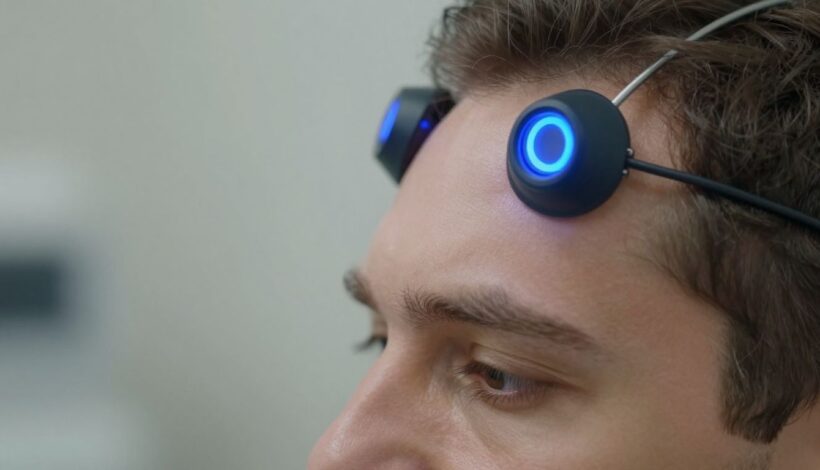
Advanced TMS device near a person's temple.

What is Transcranial Magnetic Stimulation?

Transcranial Magnetic Stimulation, or TMS, is a medical procedure that uses magnetic fields to help manage certain mental health conditions. Think of it like a targeted jolt of energy for specific parts of your brain. It’s non-invasive, meaning no surgery or scalpels are involved. A special device is placed near your head, and it delivers magnetic pulses. These pulses are designed to stimulate nerve cells in areas of the brain that are thought to be underactive in people with depression.

How NeuroStim TMS Addresses Depression

Depression can really mess with your brain’s communication pathways. Areas responsible for mood, motivation, and emotional regulation might not be firing on all cylinders. NeuroStim TMS targets these specific brain regions. By using controlled magnetic pulses, the therapy aims to "wake up" these underactive areas, helping to restore more normal brain activity. This can lead to a significant reduction in depressive symptoms. It’s a way to directly influence the brain’s function without relying solely on medication.

The Science Behind TMS Therapy

The core idea behind TMS is pretty straightforward, even if the technology is advanced. When you’re depressed, certain parts of your brain, like the prefrontal cortex, tend to show less activity. TMS uses electromagnetic pulses, similar to those used in MRI machines, to create small electrical currents in these specific brain areas. This stimulation is thought to encourage nerve cells to grow and form new connections, a process called neuroplasticity. Over time, this can help improve mood and reduce depression symptoms.

Here’s a simplified look at how it works:

  • Stimulation: Magnetic pulses are delivered to specific brain regions.
  • Activation: These pulses activate nerve cells in the targeted area.
  • Neuroplasticity: Repeated stimulation encourages the brain to form new connections and improve function.
  • Symptom Relief: Improved brain activity leads to a reduction in depression symptoms.

Advanced Treatment Options at NeuroStim TMS

FDA-Approved Non-Invasive Therapy

At NeuroStim TMS, we’re committed to offering cutting-edge treatments that are both safe and effective. One of the cornerstones of our approach is Transcranial Magnetic Stimulation (TMS) therapy. This is the only FDA-approved non-invasive treatment specifically for depression. Unlike medications that circulate throughout your body, TMS uses targeted magnetic pulses to stimulate specific areas of the brain involved in mood regulation. It’s a breakthrough because it directly addresses the brain activity associated with depression without the need for surgery or drugs.

Targeted Brain Stimulation for Mood Disorders

Depression and other mood disorders often stem from imbalances or underactivity in certain brain regions. TMS therapy is designed to precisely target these areas. By delivering gentle magnetic pulses, similar to those produced by an MRI machine, TMS can help "wake up" these underactive parts of the brain. This stimulation encourages nerve cells to communicate more effectively, which can lead to a significant improvement in mood and a reduction in depressive symptoms. It’s a way to fine-tune brain function without invasive procedures.

Effective for Treatment-Resistant Depression

For many people, traditional treatments like medication or talk therapy haven’t provided the relief they need. This is often referred to as treatment-resistant depression. If you’ve tried several different antidepressants without success, your chances of finding relief with another medication can be quite low. Studies show that TMS therapy can be up to five times more effective than trying another medication after multiple failures. It offers a real chance for improvement when other options have fallen short.

Here’s a look at how TMS compares when medications haven’t worked:

Treatment Approach Likelihood of Success
Trying a new medication (after 2-3 failures) Around 15%
TMS Therapy Significantly Higher
TMS therapy provides a direct approach to stimulating brain circuits that are often underactive in depression. This targeted action can lead to lasting changes in mood regulation and cognitive function, offering a new path forward for those who have struggled with persistent depressive symptoms.

Your Journey to Healing with NeuroStim TMS

What to Expect During Treatment Sessions

Getting started with NeuroStim TMS is pretty straightforward. When you come in for a session, you’ll sit in a comfortable chair. We’ll place a special device on your head that delivers magnetic pulses. It’s not painful, but you might feel a tapping or clicking sensation. Most people find it quite manageable. The whole thing usually takes about 20 to 30 minutes. You’ll be awake the entire time, so you can just relax, maybe listen to music, or even catch up on emails if you want. It’s really designed to fit into your day without much fuss.

Minimal Downtime and Seamless Integration

One of the best things about TMS is that there’s no real downtime. Seriously, after your session, you can just get up and go. Head back to work, run errands, pick up the kids – whatever you need to do. There’s no need for surgery or anesthesia, so you don’t have to worry about recovering in a hospital or feeling groggy. This makes it a really practical option, especially if you have a busy life and can’t afford to take a lot of time off. It just slots right into your routine.

Personalized Care and Compassionate Support

We know that dealing with depression is tough, and everyone’s experience is a bit different. That’s why we focus on giving you personalized care. Our team is here to support you every step of the way, from your first visit to your last session. We take the time to understand your specific situation and tailor the treatment plan to you. You’re not just another patient here; we genuinely care about helping you feel better and get back to enjoying your life. We’re committed to making this a positive and supportive experience for you.

Benefits of Choosing NeuroStim TMS Olympia

Advanced depression treatment at NeuroStim TMS Olympia clinic.

Choosing the right path for depression treatment can feel overwhelming, but the benefits of NeuroStim TMS Olympia offer a clear advantage for many.

High Success Rates in Symptom Reduction

Many people find that traditional treatments, like medication, don’t always hit the mark. That’s where TMS therapy shines. Studies show a significant number of patients experience a reduction in their symptoms, and some even achieve full remission. For those who have tried other options without success, this offers a real chance at feeling better. It’s not just about managing symptoms; it’s about making a noticeable difference in daily life.

Alternative to Medication and Traditional Therapies

If you’re looking for an option that doesn’t involve daily pills or the potential side effects that come with them, TMS is a great choice. It’s a non-invasive procedure that uses magnetic pulses to stimulate brain activity. This approach is particularly helpful for individuals with treatment-resistant depression where other methods haven’t yielded the desired results. It provides a different avenue for healing, focusing on direct brain stimulation rather than systemic medication.

Regain Control and Rediscover Joy

Living with depression can feel like being stuck in a fog, making it hard to enjoy life’s simple pleasures. TMS therapy aims to lift that fog. By targeting specific brain regions involved in mood regulation, it helps restore a more balanced emotional state. This can lead to a renewed sense of energy, improved focus, and the ability to re-engage with activities and people you care about. It’s about getting back to living a full and meaningful life.

The goal of TMS therapy is to help you feel like yourself again, capable of experiencing happiness and engaging with the world around you without the constant weight of depression.

Here’s a quick look at what makes TMS stand out:

  • Non-invasive: No surgery or anesthesia required.
  • Targeted: Focuses on specific brain areas related to mood.
  • Convenient: Sessions are typically short and fit easily into your day.
  • Effective: Proven results for many individuals, even those who haven’t responded to other treatments.

Accessing NeuroStim TMS in Olympia

Convenient Location and Scheduling

Finding the right help shouldn’t be a hassle. NeuroStim TMS Olympia is situated right here in town, making it easier for you to fit treatment into your life. We know that life can get busy, and sometimes getting to appointments feels like a big hurdle. That’s why we work hard to offer flexible scheduling options. Our goal is to make your journey to feeling better as smooth as possible, right from the start. We believe that accessible care is key to recovery.

Insurance Coverage and Financial Support

We understand that thinking about costs can add stress. At NeuroStim TMS Olympia, we want to help you focus on healing, not worry about the bills. We accept most major insurance plans and are in-network with many providers. Our team is here to help you understand your coverage and explore any financial support options that might be available. We’re committed to making this advanced treatment accessible to those who need it.

Taking the First Step Towards Recovery

Deciding to seek treatment is a significant and brave step. It shows you’re ready for a change. Here’s a simple breakdown of how to get started with us:

  1. Initial Consultation: We’ll schedule a meeting to discuss your history, answer your questions, and see if TMS is a good fit for you.
  2. Treatment Planning: If we decide to move forward, we’ll create a personalized treatment plan tailored just for you.
  3. Begin Treatment: You’ll come in for your scheduled sessions, which are designed to be comfortable and fit easily into your day.
It’s completely normal to feel a bit uncertain about starting something new. Remember, you don’t have to go through this alone. Our team is here to support you every step of the way, offering guidance and encouragement as you begin your path to feeling like yourself again.

Ready to Take the Next Step?

So, if you’ve been feeling stuck with depression and traditional methods haven’t quite hit the mark, remember that options like TMS Therapy are out there. It’s a proven, non-invasive way to help reset your brain’s mood centers, and many people find it makes a real difference. Think of it as a new tool in your toolbox for feeling more like yourself again. Don’t hesitate to reach out and learn more about how NeuroStim TMS could be the right path forward for you. Taking that first step is often the hardest part, but it could lead to a much brighter outlook.

Frequently Asked Questions

What exactly is TMS therapy?

Think of TMS therapy as a special way to wake up parts of your brain that might be feeling a bit sleepy due to depression. It uses gentle magnetic pulses, kind of like the ones in an MRI machine, to send signals to the areas of your brain that control your mood. It’s a non-surgical and non-drug approach to help lift those heavy feelings.

How does TMS help with depression?

When you’re feeling depressed, certain brain areas might not be working as well as they should. TMS therapy sends these magnetic pulses to those specific spots, helping to get them working better again. This can lead to a significant improvement in mood and a reduction in those tough depression symptoms.

Is TMS therapy safe and approved?

Yes, absolutely! TMS therapy is approved by the FDA, which is like a government safety checker for medical treatments. It’s considered very safe and has been used successfully for many years. It’s a great option if other treatments haven’t quite hit the mark for you.

What happens during a TMS treatment session?

During a session, you’ll sit comfortably in a chair. A special device will be placed on your head, and it will deliver these gentle magnetic pulses. You’ll be awake the whole time, and many people find they can read, listen to music, or just relax. The sessions are usually pretty short, around 20 to 30 minutes.

Will I need to take time off work or other activities?

One of the best things about TMS is that there’s usually no downtime! Right after your session, you can jump back into your daily routine, whether that’s work, school, or spending time with family. It’s designed to fit into your life without causing a major disruption.

Can TMS help if medications haven’t worked for me?

Definitely. This is where TMS really shines. It’s especially helpful for people who have tried different medications for depression but haven’t found the relief they need. TMS offers a powerful alternative that can make a real difference when other methods haven’t been successful.

Magstim TMS machine for neuromodulation

Exploring the Magstim TMS Machine for Advanced Neuromodulation

Exploring the Magstim TMS Machine for Advanced Neuromodulation.

Thinking about brain stimulation? The magstim tms machine is a pretty big deal in this area. It uses magnetic pulses to help the brain, and it’s being used for everything from research to treating conditions like depression. It’s not some sci-fi gadget; it’s a real tool that’s changing how we approach brain health. Let’s take a look at what makes this magstim tms machine tick and what it can do.

Key Takeaways

  • The magstim tms machine uses magnetic fields to non-invasively stimulate parts of the brain, offering a new way to treat brain conditions.
  • It’s used for conditions like major depression and obsessive-compulsive disorder, with ongoing research into other uses.
  • Magstim has developed advanced coil designs and faster treatment methods to make the process more precise and quicker.
  • The technology is backed by a lot of research and is trusted by scientists and doctors around the world.
  • When looking into treatment, it’s good to know what kind of magstim tms machine and coils a clinic uses, and how they check placement and track results.

Understanding the Magstim TMS Machine

The Science Behind Transcranial Magnetic Stimulation

Transcranial Magnetic Stimulation, or TMS, is a pretty neat way to interact with the brain without surgery. Basically, it uses magnetic pulses to wake up or calm down specific areas of your brain. Think of it like a targeted nudge. A coil is placed on your head, and it sends magnetic fields through your skull. These fields create small electrical currents in your brain cells, which can then change how those cells are firing. The intensity and pattern of these pulses are key to how TMS works. It’s not just a random zap; it’s a controlled way to influence brain activity.

Historical Context of TMS Technology

TMS isn’t exactly brand new, but its use in therapy has really taken off in recent years. Early research started back in the 1980s, with scientists exploring how magnetic pulses could affect the brain. For a long time, it was mostly a tool for researchers trying to map out brain functions. But as the technology got better and more studies showed its potential, it started moving into the clinic. Now, it’s become a recognized treatment for certain conditions, showing how far we’ve come from those initial experiments.

Core Principles of Magstim TMS Operation

Magstim’s machines work on a few main ideas. First, they use a special coil that generates a magnetic field. When this field is pulsed, it passes through your skull and makes electrical currents in the brain tissue underneath. The type of pulse matters a lot. For example, fast pulses (more than 1 Hz) tend to excite brain cells, while slow pulses (1 Hz or less) tend to quiet them down. This ability to either stimulate or inhibit specific brain regions is what makes TMS so versatile.

  • Pulse Type: Single, paired, or repetitive pulses can be used.
  • Frequency: The speed of the pulses determines the effect (excitatory or inhibitory).
  • Coil Design: Different coils are shaped to target different brain areas more precisely.
The effectiveness of TMS hinges on getting the stimulation just right. This means not only hitting the correct spot in the brain but also using the right pulse strength, frequency, and pattern. It’s a bit like tuning a radio to get a clear signal; precision is everything for the best results.

Magstim TMS Machine: Clinical Applications

Magstim TMS machine with coil for brain stimulation.

When we talk about Magstim TMS, it’s not just about the technology itself, but what it can actually do for people. This machine is really changing the game for a few specific conditions, offering a new path for those who haven’t found relief with other treatments. It’s pretty amazing to think about using magnetic pulses to help the brain work better.

Treating Major Depressive Disorder

Major Depressive Disorder (MDD) is one of the most well-known areas where TMS has made a big impact. For a long time, treatment options were limited, often involving medication or talk therapy, which don’t work for everyone. Magstim TMS provides a non-invasive way to stimulate parts of the brain that are thought to be underactive in depression. The FDA has cleared Magstim TMS for treating MDD, and it’s become a go-to option for many clinics.

Here’s a quick look at how it generally works for MDD:

  • Targeting: The system focuses on specific brain regions, often the left dorsolateral prefrontal cortex (DLPFC), which is involved in mood regulation.
  • Stimulation: Magnetic pulses are delivered in specific patterns to encourage nerve cells in that area to become more active.
  • Dosage: The intensity and frequency of these pulses are carefully calibrated for each individual, often based on their unique motor threshold (MT). This is the minimum energy needed to cause a muscle twitch, and it helps personalize the treatment dose.
The process involves determining a patient’s motor threshold, which is the lowest energy level that causes a thumb twitch. This measurement is key to setting the right stimulation intensity, usually between 80-120% of that threshold. The coil is then placed about 5cm in front of where the motor threshold was found, targeting the DLPFC. Treatment sessions typically involve multiple trains of pulses, with specific frequencies and durations, all designed to be effective yet comfortable.

Addressing Obsessive Compulsive Disorder

Beyond depression, Magstim TMS is also showing promise for Obsessive Compulsive Disorder (OCD). OCD can be incredibly debilitating, with intrusive thoughts and compulsive behaviors that are hard to control. TMS offers a way to modulate the brain circuits involved in these symptoms.

  • Different Targets: For OCD, the stimulation might target different brain areas than those used for depression, often involving circuits connecting the prefrontal cortex to deeper brain structures.
  • Coil Types: Specialized coils, like H-coils, might be used to reach these deeper areas more effectively.
  • Research Focus: While still an area of active research, the results so far suggest a significant therapeutic potential for individuals struggling with severe OCD.

Therapeutic Potential for Other Conditions

Magstim’s technology isn’t stopping at just depression and OCD. Researchers are actively exploring its use for a variety of other conditions. The flexibility of TMS means it can be adapted to target different brain networks associated with different disorders. Some of these areas include:

  • Anxiety Disorders
  • Post-Traumatic Stress Disorder (PTSD)
  • Schizophrenia
  • Bipolar Disorder

The ongoing research, as highlighted in publications like the January 2026 newsletter from Magstim EGI, continues to build the evidence base for these applications. As we learn more about brain function and how TMS can influence it, the list of conditions that might benefit from this technology is likely to grow. This expansion is a testament to the adaptability of Magstim TMS technology and its role in advancing neuromodulation.

Innovations in Magstim TMS Technology

Advanced Coil Designs for Precision

Magstim has really put a lot of thought into their magnetic coils. It’s not just about sending a pulse; it’s about sending it exactly where it needs to go. They’ve developed different types of coils, each with a specific job. For instance, the figure-of-eight coils are great for targeting areas closer to the surface of the brain, like the dorsolateral prefrontal cortex (DLPFC), which is a common target for depression treatment. Then there are H-coils, which are designed to reach a bit deeper into the brain structures. This variety means they can tailor the stimulation more precisely to the individual’s needs. It’s like having the right tool for every specific job, making the treatment more effective.

Accelerated TMS Protocols

One of the most exciting developments is how much faster TMS sessions can be now. Traditionally, a TMS session could take quite a while, but new protocols are changing that. Theta-burst stimulation (TBS) is a big one here. It delivers pulses in quick bursts, mimicking the brain’s natural activity. This can significantly cut down the time needed for a treatment session, sometimes from 30 minutes to just a few minutes. This is a game-changer for both patients and clinics, making TMS more accessible and easier to fit into a busy schedule. Some newer protocols are even more intensive, with multiple sessions per day, but studies show they can be done safely with proper precautions like ear protection.

Integrated Navigation and Safety Features

Magstim is also focusing on making the technology smarter and safer. Many of their newer systems come with integrated navigation. This helps the clinician pinpoint the exact spot on the head to apply the magnetic stimulation, session after session. It reduces guesswork and makes sure the treatment is consistent. They also build in safety checks and real-time feedback. This helps prevent errors and ensures the patient is comfortable and safe throughout the procedure. It’s all about making the technology user-friendly for the practitioner while maximizing the benefits for the patient.

The evolution of TMS technology is really about refining the delivery of stimulation. It’s moving beyond just applying a magnetic pulse to a more sophisticated process that considers the precise location, the pattern of stimulation, and the intensity. These advancements are key to improving treatment outcomes and making TMS a more reliable and accessible therapy.

Research and Development with Magstim

Magstim TMS machine in a research setting.

Empowering Neuroscience Discoveries

Magstim has been a quiet force behind many of the breakthroughs in understanding the human brain. For over 30 years, their Transcranial Magnetic Stimulation (TMS) systems have been a go-to tool for researchers worldwide. It’s not just about having the equipment; it’s about the reliability and precision that allows scientists to explore complex neural pathways and functions. Think of it like giving researchers a more detailed map and a better compass for navigating the brain’s intricate landscape. This dedication to advancing neuroscience research is evident in the sheer volume of published studies that rely on Magstim technology.

Evidence-Based Efficacy and Guidelines

When it comes to medical treatments, especially those involving the brain, solid evidence is everything. Magstim’s commitment to research means their systems are built on a foundation of scientific validation. International guidelines, like those published in Clinical Neurophysiology, often reference studies using TMS, and Magstim devices are frequently part of this evidence base. These guidelines help shape how TMS is used clinically, ensuring that treatments are effective and based on the best available data. It’s a cycle: research informs guidelines, and guidelines direct further research and clinical application.

  • High-frequency left-DLPFC stimulation: Consistently shows strong efficacy for depression.
  • Low-frequency right-DLPFC stimulation: Also rated as effective, often used in conjunction with other approaches.
  • Theta-burst stimulation (TBS): Offers shorter treatment times, making it more accessible.
The effectiveness of TMS isn’t just about applying a magnetic pulse. It’s a nuanced process that requires the right intensity, a specific stimulation pattern, and accurate targeting of brain regions. Magstim’s technology is engineered to meet these precise requirements, which is key to achieving positive patient outcomes.

Global Trust and Citations

The true measure of a research tool’s impact is how often it’s used and cited by others. Magstim systems have accumulated over 20,000 clinical citations, a testament to their widespread adoption and the trust placed in them by the scientific community. This extensive citation count highlights the technology’s role in a vast array of studies, from basic neuroscience to clinical trials. It shows that researchers across the globe rely on Magstim to conduct their work, contributing to a collective growth in our understanding of the brain and its disorders.

Choosing and Using a Magstim TMS System

So, you’re looking into getting a Magstim TMS system for your practice or research. It’s a big step, and honestly, there’s a lot to consider. It’s not just about picking a machine off the shelf; it’s about finding the right fit for your specific needs. Making an informed decision now can save you a lot of headaches down the road.

Key Features of Magstim Stimulators

When you’re looking at Magstim stimulators, you’ll notice they come with a range of capabilities. Think about what you’ll be using it for most. Are you doing standard repetitive TMS (rTMS), or do you need paired-pulse capabilities? Some systems can handle both, plus Theta Burst Stimulation (TBS), which is a real time-saver. You’ll also want to check for features like integrated navigation, which helps with coil placement accuracy, and whether it includes an EMG measurement device for things like motor evoked potentials (MEPs). Patient data management is another big one – keeping track of treatments and outcomes is pretty important.

Here’s a quick rundown of what to look for:

  • Stimulation Types: rTMS, Paired Pulse, Theta Burst
  • Pulse Waveforms: Monophasic, Biphasic
  • Integrated Features: Navigation, EMG measurement, Data Management

Variety of Magnetic Coil Options

Magstim doesn’t just make one type of coil; they have a whole lineup. The coil is what actually delivers the magnetic pulse to the brain, so its design matters a lot. For targeting specific spots on the brain’s surface, like the dorsolateral prefrontal cortex (DLPFC), a figure-of-eight coil is usually the go-to. It creates a pretty focused magnetic field. If you need to reach deeper into the brain, other coil designs might be more suitable. They also offer sham coils for placebo treatments, which is important for research studies. Comfort is a big factor too, and Magstim has coils designed with patient comfort in mind, some even with active cooling to keep things from getting too warm during longer sessions. You can find more details on integrating TMS into your practice in this guide psychiatric practices looking to incorporate.

Ensuring Patient Comfort and Safety

Patient comfort and safety are, of course, paramount. Magstim systems are designed with these in mind. The noise level during stimulation is a common concern, but with proper ear protection, it’s generally well within safe limits. The setup process is also designed to be straightforward, helping to maintain a calm and comfortable environment for the patient. When you’re choosing a clinic, it’s always a good idea to ask about the specific device and coil they use, how they verify coil placement for each session, and if they digitally track treatment details and outcomes. This transparency can make a big difference in how patients feel about their treatment.

The technology behind TMS has advanced significantly, making it more accessible and user-friendly for clinical settings. While the initial investment might seem substantial, the long-term benefits, including the ability to treat multiple conditions with a single system and minimal maintenance requirements, often make it a cost-effective choice for practices.

The Future of Neuromodulation with Magstim

Advancements in Portable TMS Devices

The next wave of brain stimulation is looking a lot more mobile. Magstim is pushing the envelope with the development of more compact and portable TMS devices. Imagine treatments that aren’t confined to a clinic room, allowing for greater flexibility for both patients and practitioners. This shift towards portability means that advanced neuromodulation could become more accessible, potentially reaching individuals in remote areas or those who find it difficult to travel regularly for treatment. It’s about bringing the therapy closer to where people live and work.

Expanding Therapeutic Armentarium

We’re seeing TMS move beyond its established uses. While its effectiveness for conditions like major depressive disorder is well-documented, research is continually uncovering new possibilities. Think about conditions that have historically been tough to treat with medication alone. Studies are exploring TMS for things like chronic pain, post-traumatic stress disorder, and even certain cognitive impairments. This expansion is a testament to the versatility of magnetic brain stimulation.

Here’s a look at some areas where TMS is showing promise:

  • Neuropathic Pain: Targeting specific brain regions to modulate pain signals.
  • Anxiety Disorders: Investigating protocols for generalized anxiety and panic disorder.
  • Cognitive Rehabilitation: Exploring its use after stroke or in neurodegenerative diseases.
  • Schizophrenia: Research into managing auditory hallucinations.

Transforming Lives Through Brain Stimulation

Ultimately, all these technological leaps and research findings boil down to one thing: making a real difference in people’s lives. The goal is to provide effective, non-invasive options for conditions that can be debilitating. By refining the technology and broadening its applications, Magstim is contributing to a future where more people can find relief and improve their quality of life through the power of brain stimulation. It’s a hopeful outlook for many who have struggled with traditional treatments.

The ongoing refinement of TMS technology, including more precise coil designs and accelerated protocols, is making treatments faster and more comfortable for patients. This focus on the patient experience is just as important as the scientific advancements.

Wrapping Up Our Look at Magstim TMS

So, we’ve taken a good look at the Magstim TMS machine and what it can do for brain stimulation. It’s pretty clear this technology is a big deal, not just for researchers trying to figure out how the brain works, but also for people looking for new ways to treat conditions like depression. The way it uses magnetic pulses to gently nudge brain activity is pretty neat, and it seems to be getting better and safer all the time. While it might seem complicated, the people making it are working to make it easier to use, which is good news for clinics and patients alike. It’s definitely an area to keep an eye on as it continues to grow and help more people.

Frequently Asked Questions

What exactly is Magstim TMS?

Magstim TMS, or Transcranial Magnetic Stimulation, is a cool technology that uses magnetic fields to gently wake up or calm down specific parts of your brain. Think of it like a targeted nudge for your brain cells without any surgery. It’s a safe way to help with certain brain-related issues.

How does TMS help with conditions like depression?

For conditions like depression, TMS can help by stimulating brain areas that aren’t as active as they should be. By sending these magnetic pulses, it encourages those brain areas to work better, which can lead to feeling better and less down.

Is TMS treatment comfortable?

Most people find TMS pretty comfortable. You’ll sit in a chair, and a special coil will be placed near your head. You might hear clicking sounds and feel a tapping sensation, but it’s generally well-tolerated. Wearing earplugs helps with the sound.

How long does a TMS session take?

A typical TMS session usually lasts between 20 to 40 minutes. It’s designed to fit into your day without taking up too much time. Some newer methods can even make sessions shorter!

Is Magstim TMS safe?

Yes, Magstim TMS is considered very safe. It’s been used for many years and has a good track record. The main side effect people might experience is a mild headache or discomfort at the treatment site, but these are usually temporary.

Who can benefit from Magstim TMS?

Magstim TMS is used to help people with conditions like major depression and obsessive-compulsive disorder. It’s also being studied for other brain-related challenges. If you’re struggling with one of these conditions, TMS might be a helpful option to discuss with your doctor.