Person experiencing sadness versus happiness, light and dark contrast.

Understanding the Difference: Depression vs Sadness and When to Seek Help

Understanding the Difference: Depression vs Sadness and When to Seek Help.

It’s easy to get them mixed up, right? That heavy feeling when things go wrong, versus that deep, lingering sadness. We’re going to talk about depression vs sadness, because knowing the difference is a big deal. Sometimes a bad mood passes, but other times, it sticks around. This article is about figuring out when it’s just a rough patch and when it might be something more serious that needs attention. We’ll break down what each feels like, why it happens, and most importantly, when it’s time to reach out for help. Because honestly, nobody should have to go through that alone.

Key Takeaways

  • Feeling sad is a normal human emotion, often a response to difficult events, and it usually fades over time.
  • Depression is more than just sadness; it’s a persistent mood disorder that lasts for weeks or months and significantly impacts daily life.
  • Key differences between sadness and depression include the duration and intensity of feelings, the presence of self-loathing, and the impact on daily functioning.
  • While grief shares some symptoms with depression, it typically involves waves of sadness mixed with positive memories, and self-esteem usually remains intact.
  • Seeking professional help is important if symptoms of depression last for two weeks or more, interfere with daily activities, or if you experience thoughts of self-harm.

Understanding Depression vs Sadness

It’s easy to get these two mixed up, right? We all have days where we feel down, maybe after a rough patch at work or a fight with a friend. That’s sadness, and it’s a totally normal human emotion. It usually comes and goes, often tied to a specific event. You might cry, feel a bit withdrawn, or just not have much energy. But when that feeling sticks around, deepens, and starts messing with your ability to do everyday things, it might be something more.

The Nature of Sadness

Sadness is like a visitor. It shows up when something happens – maybe you didn’t get that promotion, or your favorite show ended. You might feel a lump in your throat, want to curl up with a blanket, or listen to some melancholic tunes. It’s a reaction, and usually, it fades. You might still be able to get out of bed, go to work (even if it’s a struggle), and connect with people, even if you don’t feel like it. It’s a part of life, and we generally bounce back.

Defining Depression

Depression, on the other hand, is more like a persistent fog. It’s not just about feeling sad; it’s a complex mood disorder that affects how you feel, think, and behave for extended periods. It can linger for weeks or even months, and it often doesn’t have a clear trigger, or the trigger feels disproportionate to the depth of the feeling. It’s a persistent emptiness or hopelessness that can make even simple tasks feel overwhelming. It’s a real illness, not a sign of weakness or something you can just ‘snap out of’.

Key Differences Between Sadness and Depression

So, how do you tell them apart? It really comes down to a few things:
  • Duration: Sadness is temporary. Depression lasts for at least two weeks, often much longer.
  • Intensity and Pervasiveness: While sadness can be intense, it usually doesn’t consume your entire life. Depression affects nearly every aspect of your day-to-day existence.
  • Self-Esteem: When you’re sad, your sense of self-worth usually stays intact. With depression, feelings of worthlessness and excessive guilt are common.
  • Interest and Pleasure: Sadness might dim your enjoyment of things, but depression often leads to a complete loss of interest or pleasure in activities you once loved.
Here’s a quick look at some common distinctions:
Feature Sadness Depression
Duration Days to a couple of weeks Two weeks or more, persistent
Mood Fluctuates, often with moments of relief Pervasively low, hopeless, or empty
Interest May decrease, but can still find joy Significant loss of interest or pleasure
Self-Esteem Generally maintained Often diminished, feelings of worthlessness
Functioning Usually able to manage daily tasks Significant impairment in daily functioning
Thoughts Related to the specific loss or disappointment Pervasive negative thoughts, possibly suicidal ideation
It’s important to remember that these are general guidelines. Everyone experiences emotions differently, and what might feel like simple sadness to one person could be a sign of depression for another. The key is how it impacts your life and how long it sticks around.

Recognizing the Symptoms of Depression

Person looking sad on a park bench. It’s easy to confuse feeling down with something more serious, but depression has a distinct set of signs that go beyond just a bad mood. While sadness is a normal part of life, like when you’re having a tough day or dealing with a disappointment, depression is a persistent state that affects how you feel, think, and act.

Emotional Indicators of Depression

When someone is experiencing depression, the emotional landscape can shift dramatically. It’s not just about feeling sad; it’s often a pervasive sense of emptiness or hopelessness that sticks around. You might find yourself losing interest in activities that used to bring you joy, like hobbies, spending time with friends, or even just watching your favorite show. Irritability can also be a big sign – snapping at people, feeling easily frustrated, or just being generally on edge. Sometimes, people describe feeling numb, like they can’t feel anything at all. This persistent low mood, lack of interest, and increased irritability are key emotional markers.

Behavioral Changes Associated with Depression

These emotional shifts often lead to noticeable changes in behavior. You might start withdrawing from social situations, preferring to be alone rather than engaging with others. Sleep patterns can get disrupted; some people find they can’t fall asleep or stay asleep, while others might sleep much more than usual. Appetite can also change, leading to weight loss or gain, or a general disinterest in food. Concentration can become a real struggle, making it hard to focus on tasks at work or home, or even to follow a conversation. Decision-making can feel overwhelming, and you might find yourself procrastinating on things you’d normally handle without a second thought.

Physical Manifestations of Depression

Depression isn’t just in your head; it can show up in your body too. A common complaint is a persistent lack of energy, feeling tired all the time even after resting. This fatigue can make even simple daily tasks feel like climbing a mountain. You might also experience unexplained aches and pains, headaches, or digestive issues that don’t seem to have a clear medical cause. Some people report a decreased sex drive. It’s like your body is carrying the weight of the emotional burden, manifesting in physical discomfort and exhaustion.
It’s important to remember that these symptoms can vary greatly from person to person. What one individual experiences might be quite different from another’s. The key is the persistence and the impact these changes have on your daily life.
Here’s a quick look at some common symptoms:
  • Persistent feelings of sadness, emptiness, or hopelessness
  • Loss of interest in enjoyable activities
  • Significant changes in appetite or weight
  • Sleep disturbances (insomnia or hypersomnia)
  • Fatigue or lack of energy
  • Feelings of worthlessness or excessive guilt
  • Difficulty concentrating, remembering, or making decisions
  • Restlessness or irritability
  • Thoughts of death or suicide
If you’re noticing several of these signs in yourself or someone you know, and they’ve been going on for more than two weeks, it’s a good idea to talk to a doctor. Experiencing sadness is a normal human emotion, but when it starts to interfere with your life, it might be time to seek professional support.

Distinguishing Depression from Grief

Person in dim light vs. person in warm light It’s completely normal to feel sad, lost, or down after experiencing a significant loss, like the death of a loved one, the end of a relationship, or losing a job. This is called grief, and it’s a natural human response. Sometimes, people might say they feel “depressed” when they’re going through grief, and it’s true that there can be some overlap in how these feelings manifest. Both can involve intense sadness and a desire to withdraw from things you’d normally do. However, there are some pretty important differences that can help tell them apart.

How Grief Differs from Depression

Grief often comes in waves. You might have moments of intense sadness, but then find yourself recalling happy memories of the person you lost, and maybe even feeling a brief sense of peace or comfort. This mix of pain and fond remembrance is pretty characteristic of grief. On the other hand, depression tends to be a more constant state. The low mood and lack of interest in things you used to enjoy stick around for a long time, usually two weeks or more, without much relief. Another big difference is how you see yourself. During grief, most people tend to maintain their sense of self-worth, even though they’re hurting. Depression, however, often brings along feelings of worthlessness, guilt, and self-criticism. It can feel like you’re not good enough or that you’ve failed in some way. Also, while thoughts of death might pop up in grief – maybe wishing you could join the person you lost – in depression, these thoughts are often more about wanting to end your own life because the pain feels unbearable or you feel like a burden. Here’s a quick look at some key distinctions:
  • Emotional Experience: Grief often has ups and downs, with moments of sadness mixed with positive memories. Depression is typically a persistent low mood and loss of interest.
  • Self-Esteem: Grief usually doesn’t shatter your sense of self-worth. Depression frequently involves feelings of worthlessness and self-blame.
  • Thoughts of Death: In grief, thoughts might be about joining a lost loved one. In depression, thoughts might be about ending one’s life due to overwhelming pain or a sense of hopelessness.

When Grief and Depression Co-occur

It’s also important to know that grief and depression can happen at the same time. Sometimes, the intense stress and emotional toll of a major loss can trigger a depressive episode. When this happens, the grief can feel even more overwhelming and might last longer than it typically would. Recognizing this overlap is key because it means you might need specific support for both the grief and the depression.
Sometimes, the lines can get blurry, and that’s okay. The main thing is to pay attention to how you’re feeling and how long it lasts. If you’re struggling to function, feeling hopeless most of the time, or having thoughts of harming yourself, it’s a sign that you need to reach out for help, regardless of whether it’s “just” grief or something more.

Maintaining Self-Esteem During Grief

During times of grief, it’s easy for self-esteem to take a hit, even if it’s not full-blown depression. You might feel like you’re not coping well or that you’re letting people down. It can be helpful to remind yourself that grief is a process, not a reflection of your capabilities. Focusing on small, manageable tasks, allowing yourself to feel your emotions without judgment, and leaning on supportive friends or family can help you weather the storm without losing sight of your own value. Remember, taking care of yourself during this time is not selfish; it’s necessary.

When to Seek Professional Help

It’s easy to brush off persistent low moods, thinking they’ll just pass. But sometimes, what feels like a bad spell is actually something more serious, like depression. Knowing when to reach out for help is a really important step toward feeling better.

Duration and Impact of Symptoms

Sadness is a normal human emotion that usually fades with time or when circumstances change. Depression, on the other hand, sticks around. If you’ve been feeling down, hopeless, or have lost interest in things you used to enjoy for two weeks or more, it’s a strong signal that you should talk to a doctor. It’s not just about how long you feel bad, but also how it’s affecting your daily life. Are you struggling to get out of bed, concentrate at work, or maintain relationships? These are significant signs that professional support might be needed. Here’s a quick way to think about it:
  • Sadness: Usually temporary, linked to specific events, and doesn’t significantly disrupt daily functioning.
  • Depression: Persistent (weeks or months), can occur without an obvious cause, and interferes with work, school, social life, and self-care.

Recognizing Suicidal Thoughts

This is perhaps the most critical reason to seek help immediately. If you ever find yourself thinking that life isn’t worth living, or having thoughts of harming yourself, please know you are not alone and there is help available. These thoughts are a symptom of severe distress and require urgent professional attention. Don’t hesitate to reach out to a crisis hotline, go to the nearest emergency room, or call your doctor right away. Your safety is the absolute priority.

The Importance of Early Intervention

Think of it like any other health issue; the sooner you address it, the better the outcome is likely to be. Delaying help for depression can sometimes make it harder to treat. When you see a doctor or mental health professional early on, they can help you understand what’s going on and start a treatment plan. This could involve lifestyle changes, therapy, or medication, depending on what’s best for you. Getting support sooner rather than later can make a big difference in your recovery and help prevent the condition from becoming more severe.
Reaching out for help isn’t a sign of weakness; it’s a sign of strength and self-awareness. It takes courage to admit you’re struggling and to take steps to get better. Professionals are trained to help you through these difficult times, offering tools and support you might not be able to find on your own.

Exploring Causes and Triggers

Sometimes, depression seems to creep up on us without any clear reason. It can feel confusing, even isolating, when you’re feeling down and can’t pinpoint why. But often, there are underlying factors, even if they aren’t immediately obvious.

Life Events as Potential Triggers

Big life changes, whether they feel positive or negative, can sometimes set off a depressive episode. Think about major shifts like losing a job, going through a breakup, or even the joy of welcoming a new baby. These events can shake up our routines and emotional balance. Even something as significant as a bereavement can be a trigger. It’s not about the event itself being

Treatment and Recovery Options

So, you’ve been diagnosed with depression, or you suspect you might be. The good news? It’s treatable. Seriously, a huge number of people get better with the right help. It’s not about just “snapping out of it”; it’s a real illness that needs real solutions. Let’s look at what those solutions can be.

Lifestyle Adjustments for Mood Improvement

Sometimes, small changes in your daily routine can make a surprisingly big difference. Think of it like tuning up a car – a few adjustments can get things running much smoother. Getting regular exercise is a big one. It doesn’t have to be running a marathon; even a brisk walk most days can help.
  • Move Your Body: Aim for at least 30 minutes of moderate activity most days of the week. Find something you actually enjoy, whether it’s dancing, swimming, or gardening.
  • Sleep Smart: Try to stick to a regular sleep schedule, even on weekends. Create a relaxing bedtime routine.
  • Eat Well: A balanced diet can impact your mood. Try to include plenty of fruits, vegetables, and whole grains. Cutting back on processed foods and excessive sugar might help too.
  • Limit Alcohol: While it might seem like a temporary escape, alcohol is a depressant and can actually make symptoms worse.
Making these changes isn’t always easy when you’re feeling down, but they can be powerful tools in your recovery journey. Start small and be patient with yourself.

Therapeutic Approaches for Depression

Talking things through can be incredibly helpful. This is where therapy, or psychotherapy, comes in. It’s not just about venting; it’s about working with a professional to understand your thoughts, feelings, and behaviors.
  • Cognitive Behavioral Therapy (CBT): This is a really common type of therapy. It helps you identify negative thought patterns and learn how to change them into more positive and realistic ones. It’s about changing how you think and react.
  • Interpersonal Therapy (IPT): This focuses on improving your relationships with others, as relationship problems can often contribute to or worsen depression.
  • Group Therapy: Sometimes, talking with others who are going through similar experiences can be very comforting and provide new perspectives.
Therapy can last for a few weeks or longer, depending on what works best for you. Many people find significant improvement after about 10 to 15 sessions.

Medication and Medical Interventions

For many people, medication is a key part of treatment. Antidepressants work by helping to balance brain chemistry. It’s important to know that they aren’t like sedatives or stimulants; they’re not addictive, and they don’t work instantly. You might start to feel a bit better in a week or two, but it can take a couple of months to feel the full effects. If the first medication or dose doesn’t seem to be helping, don’t get discouraged. Your doctor can adjust it, try a different one, or add another medication. Sometimes, other types of psychiatric medications might be used alongside antidepressants. It’s really important to talk openly with your doctor about how you’re feeling on the medication and any side effects you experience. In some more severe cases, or when other treatments haven’t worked, other medical interventions like Electroconvulsive Therapy (ECT) might be considered. This is a procedure done under anesthesia that involves electrical stimulation of the brain to trigger a brief seizure, and it can be very effective for certain individuals.

Wrapping Up: When Sadness Becomes Something More

So, we’ve talked about how feeling sad is a normal part of life, like when things don’t go your way or you experience a loss. It’s okay to feel down sometimes. But when that sadness sticks around for weeks, really messes with your daily life, and makes you feel hopeless or like nothing’s fun anymore, it might be more than just a bad mood. It could be depression. The good news is, depression is a real health issue, and it’s treatable. Don’t hesitate to reach out to a doctor or a mental health professional if you’re worried about yourself or someone you know. Getting help is a sign of strength, and recovery is definitely possible.

Frequently Asked Questions

What’s the main difference between feeling sad and being depressed?

Feeling sad is a normal reaction to tough times, like when something disappointing happens. It usually passes. Depression, on the other hand, is a more serious condition where you feel sad, empty, or hopeless most of the time for at least two weeks, and it really gets in the way of your daily life. It’s not just a bad mood that goes away quickly.

How do I know if my sadness is actually depression?

If you’ve been feeling down, lost interest in things you used to enjoy, or have other symptoms like trouble sleeping, changes in appetite, low energy, or feeling worthless for two weeks or more, and it’s affecting your school, friends, or family, it’s a good idea to talk to a doctor. These signs might point to depression.

Is grief the same as depression?

Grief is a natural response to losing someone or something important. While it can involve intense sadness, it’s different from depression. With grief, you might have moments of happiness when remembering good times, and your self-worth usually stays intact. In depression, sadness is more constant, and feelings of worthlessness are common. Sometimes, grief and depression can happen at the same time.

Can anything specific cause depression?

Sometimes, big life events like losing a job, a breakup, or even having a baby can trigger depression. Other times, it might be because depression runs in your family. But it’s also possible to become depressed even when there’s no clear reason why.

What are some ways to help manage depression?

Getting professional help is key. Doctors might suggest talking therapies, like CBT, or sometimes medication. Making healthy lifestyle changes can also make a big difference. This includes getting enough sleep, eating well, exercising regularly, and avoiding things like too much alcohol.

When should I think about getting professional help for my feelings?

If your sad feelings or other symptoms last for more than two weeks and make it hard to do your normal activities, like going to school or hanging out with friends, it’s time to seek help. Also, if you ever have thoughts about harming yourself, please reach out to a trusted adult or a professional immediately. Getting help early can make a big difference in feeling better.
Human brain with glowing neural pathways

Unpacking the Deep Brain Stimulation Meaning: A Comprehensive Guide

Unpacking the Deep Brain Stimulation Meaning: A Comprehensive Guide

So, what exactly is deep brain stimulation, or DBS? It’s a medical treatment that involves implanting a device to send electrical pulses to specific areas of the brain. Think of it like a pacemaker, but for the brain. It’s been around for a while and is mostly known for helping people with Parkinson’s disease, but it’s also being looked at for other brain conditions. We’re going to break down what deep brain stimulation meaning really is, how it works, and what it means for patients.

Key Takeaways

  • Deep brain stimulation (DBS) involves surgically implanting a device that sends electrical signals to targeted areas of the brain.
  • The primary goal of DBS is to help manage symptoms of neurological disorders by altering abnormal brain activity.
  • DBS is most commonly used for Parkinson’s disease, but research is exploring its use for conditions like essential tremor, epilepsy, and obsessive-compulsive disorder.
  • The effectiveness of DBS relies on precise targeting of specific brain regions and careful adjustment of stimulation settings for each individual patient.
  • Ongoing research aims to improve DBS technology, understand its biological effects better, and personalize treatments for better outcomes.

Understanding Deep Brain Stimulation Meaning

So, what exactly is Deep Brain Stimulation, or DBS? At its core, it’s a medical procedure that involves surgically placing tiny electrodes into specific areas of the brain. These electrodes then send out electrical pulses. The main idea is to influence and change the way certain brain circuits are working. Think of it like a pacemaker for the brain, but instead of regulating heartbeats, it’s aimed at managing abnormal brain activity that causes various neurological conditions.

Defining Deep Brain Stimulation

Deep Brain Stimulation (DBS) is a treatment that uses a neurosurgical technique. It involves implanting electrodes in particular parts of the brain. These electrodes are connected to a small device, often placed under the skin in the chest, which sends electrical signals. These signals help to regulate abnormal brain activity. It’s a bit like fine-tuning a complex machine when some parts aren’t working quite right. This procedure is typically considered for conditions that don’t respond well to other treatments.

Historical Context of DBS

The roots of DBS go back quite a ways, with early work in the mid-20th century exploring brain surgery for movement disorders. However, the modern form of DBS really started taking shape in the late 1980s. Researchers like Alim-Louis Benabid were instrumental in developing the technique, initially focusing on conditions like Parkinson’s disease. The goal was to find ways to manage symptoms that were severely impacting patients’ lives. Over the decades, the technology and our understanding of how it works have grown significantly, expanding its potential applications.

Core Principles of Neuromodulation

Neuromodulation, the broader category DBS falls into, is all about altering nerve activity through targeted interventions. It’s not about destroying brain tissue, but rather about adjusting the electrical signaling within specific neural pathways. The key principles involve:

  • Targeted Intervention: Identifying the precise brain areas involved in a disorder.
  • Electrical Modulation: Using electrical impulses to influence the activity of neurons in those targets.
  • Symptom Management: Aiming to reduce or control the symptoms caused by the abnormal brain activity.
The effectiveness of neuromodulation often hinges on understanding the intricate connections within the brain. It’s not just about stimulating a single point, but about how that stimulation affects the larger network. This is why precise targeting and parameter adjustment are so important for achieving the desired outcomes in patients.

This approach has opened up new avenues for treating conditions that were once very difficult to manage, offering a different way to help people regain control over their symptoms. For more on what DBS entails, you can look into Deep Brain Stimulation.

Mechanisms and Targets of Deep Brain Stimulation

Detailed human brain with glowing neural pathways.

So, how does this whole Deep Brain Stimulation (DBS) thing actually work? It’s not just about sticking wires in the brain and hoping for the best. There’s a lot of science behind it, focusing on how electrical signals can help manage certain neurological conditions. It’s all about neuromodulation, which basically means changing how nerve cells in the brain talk to each other.

How Deep Brain Stimulation Works

DBS involves implanting a small device, kind of like a pacemaker for the brain, called a neurostimulator. This device sends electrical pulses through thin wires, called leads, to specific areas of the brain. These electrical signals are thought to interfere with the abnormal brain activity that causes symptoms like tremors or stiffness. The precise way these electrical signals affect brain cells is still being studied, but it’s believed to involve altering the firing patterns of neurons. Think of it like tuning a radio to get a clear signal; DBS aims to fine-tune the brain’s electrical activity.

Here’s a simplified breakdown of the process:

  • Implantation: A surgeon carefully places the leads in specific brain targets.
  • Connection: The leads are connected to the neurostimulator, usually implanted in the chest or head.
  • Stimulation: The neurostimulator is programmed to deliver electrical pulses at a specific frequency, amplitude, and pulse width.
  • Modulation: These pulses interact with brain circuits, aiming to reduce symptom severity.

Identifying Optimal Stimulation Targets

Choosing the right spot in the brain to stimulate is super important. It’s not a one-size-fits-all situation. Doctors use advanced imaging techniques, like MRI and CT scans, to pinpoint the exact locations. These targets are usually deep within the brain and are part of specific neural networks involved in movement or mood. Some common targets include:

  • Subthalamic Nucleus (STN): Often used for Parkinson’s disease.
  • Globus Pallidus Interna (GPi): Another target for Parkinson’s and other movement disorders.
  • Ventral Intermediate Nucleus (VIM) of the Thalamus: Frequently targeted for essential tremor.
The selection of these targets is based on a deep understanding of brain anatomy and how different areas are connected. It’s about interrupting faulty communication pathways that lead to the symptoms we’re trying to treat. The goal is to be as precise as possible to maximize benefits and minimize side effects.

Modulating Neural Networks

It’s not just about the single target point. DBS works by influencing larger brain networks. The electrical stimulation can change the activity of many interconnected brain regions. This network-level effect is key to its therapeutic potential. For example, stimulating the STN in Parkinson’s disease doesn’t just affect the STN itself; it also impacts areas it’s connected to, like the basal ganglia and the cortex. The temporal pattern of stimulation is a crucial factor in understanding these effects, and research continues to explore how different timing can influence outcomes [f2fc].

Here’s a look at how stimulation can affect networks:

  • Disrupting abnormal rhythms: Many movement disorders are linked to abnormal brain rhythms, like those in the beta frequency band. DBS can help break up these problematic patterns.
  • Altering neurotransmitter release: Stimulation might influence the release of chemicals like dopamine, which are vital for brain function.
  • Modifying connectivity: By changing how different brain areas communicate, DBS can help restore more normal brain function.

Understanding these mechanisms is an ongoing process, but it’s what makes DBS such a fascinating area of neuroscience and medicine.

Applications and Patient Outcomes

Human brain with glowing neural pathways.

Deep Brain Stimulation (DBS) isn’t just a theoretical concept; it’s a real treatment making a difference for people with certain neurological conditions. When we talk about its applications, Parkinson’s disease is usually the first thing that comes to mind, and for good reason. It’s been a game-changer for many individuals struggling with motor symptoms that don’t respond well to medication anymore.

Deep Brain Stimulation for Parkinson’s Disease

For folks with Parkinson’s, DBS can really help manage symptoms like tremors, stiffness, and slow movement. It’s not a cure, mind you, but it can significantly improve quality of life. The process involves implanting electrodes in specific brain areas, like the subthalamic nucleus (STN) or the globus pallidus interna (GPi), which then connect to a small device, like a pacemaker, implanted under the skin. This device sends electrical pulses to the brain, helping to regulate abnormal brain activity that causes Parkinson’s symptoms.

Here’s a general idea of how patients might see improvements:

  • Motor Fluctuations: Reduced "on-off" time, meaning more time spent with good symptom control.
  • Tremor: Significant reduction in shaking, especially in the hands.
  • Rigidity: Less stiffness in the limbs and body.
  • Bradykinesia: Improved speed of movement.

The effectiveness of DBS for Parkinson’s is often measured using scales like the Unified Parkinson’s Disease Rating Scale (UPDRS), particularly Part III which focuses on motor function.

Therapeutic Potential in Other Neurological Disorders

While Parkinson’s is the most common use, DBS is also being explored and used for other conditions. Think essential tremor, dystonia, and even some cases of epilepsy. There’s ongoing research into its use for obsessive-compulsive disorder (OCD), Tourette syndrome, and even certain types of chronic pain and depression. It’s a versatile tool, but it’s important to remember that it’s not a one-size-fits-all solution. Each condition requires careful consideration of the target areas and expected outcomes.

Assessing Patient Response and Recovery

Figuring out if DBS is working involves a few things. Doctors look at how well symptoms are controlled, which often means tracking changes in motor scores over time. They also consider how the patient feels overall – are they able to do more day-to-day activities? Are there any side effects? It’s a whole picture, not just one number.

Recovery isn’t just about the immediate post-operative period. It’s a longer journey involving fine-tuning the stimulation settings and adapting to life with the device. Patients and their care teams work together to find the sweet spot for stimulation that maximizes benefits while minimizing any unwanted effects. This often involves regular follow-up appointments and adjustments.

Here’s a simplified look at the assessment process:

  1. Baseline Assessment: Before surgery, doctors get a clear picture of the patient’s symptoms and functional abilities.
  2. Post-Surgery Monitoring: Regular check-ups after the implant to see how the brain is responding to stimulation and to adjust settings.
  3. Symptom Tracking: Using rating scales (like the UPDRS) and patient-reported outcomes to measure changes in motor and non-motor symptoms.
  4. Quality of Life Evaluation: Assessing how the treatment impacts daily living, independence, and overall well-being.

Technological Advancements in Deep Brain Stimulation

Things are really moving forward with deep brain stimulation (DBS) technology. It’s not just about placing electrodes anymore; it’s about getting smarter about where they go and how they work. We’re seeing some pretty cool developments that are making DBS more precise and, hopefully, more effective for people.

Imaging and Localization Techniques

Getting the electrodes in the right spot is super important. For a long time, doctors relied on old-school brain maps, which were okay, but not perfect. Now, we’ve got advanced imaging like MRI that lets us see the brain in much more detail before surgery. This helps pinpoint the exact areas we need to target. Think of it like using a high-definition map instead of a blurry sketch.

  • MRI-based atlases: These are digital maps created from MRI scans that show specific brain structures with great clarity.
  • Tractography: This technique uses imaging to map out the brain’s wiring, helping surgeons understand how different areas are connected.
  • Real-time imaging: Some newer methods allow for imaging during surgery, giving surgeons immediate feedback.

Computational Modeling for DBS

Figuring out the best settings for a DBS device used to be a bit of a guessing game, trying different levels until something worked. But now, computers are helping us out. We can create models of a patient’s brain activity and simulate how different stimulation patterns might affect it. This means we can predict what settings might work best before we even start stimulating.

This modeling approach allows us to explore how stimulation might change brain activity on different levels, from individual cells to larger networks. It’s a big step towards making DBS more predictable and tailored.

Personalized Stimulation Strategies

Everyone’s brain is a little different, right? So, a one-size-fits-all approach to DBS just doesn’t cut it. The goal now is to create stimulation plans that are unique to each person. This involves using all the data we gather from imaging and modeling to fine-tune the settings. We’re moving away from trial-and-error towards a more science-based, individualized treatment.

  • Adaptive stimulation: Devices that can adjust stimulation automatically based on the patient’s real-time brain activity.
  • Symptom-specific targeting: Focusing stimulation on the exact brain networks responsible for a patient’s specific symptoms.
  • Closed-loop systems: These systems use sensors to detect brain activity and then adjust stimulation accordingly, creating a continuous feedback loop.

Challenges and Future Directions in Deep Brain Stimulation

Even with all the progress in deep brain stimulation (DBS), we’re still facing some pretty big hurdles. One of the main issues is that we don’t fully grasp the biological nuts and bolts of how neuromodulation actually works. We know it helps, but the exact way it changes brain networks, both short-term and long-term, is still a bit of a mystery. This lack of deep understanding makes it tough to really fine-tune DBS for conditions like Parkinson’s and even harder to figure out how to use it for other problems, like depression or Alzheimer’s.

Understanding Biological Mechanisms

Getting a better handle on the underlying biology is key. We need to figure out precisely how electrical stimulation affects different types of neurons and their connections. This involves looking at things like:

  • How stimulation changes the release of neurotransmitters.
  • The impact on brain wave patterns and network activity.
  • Whether stimulation can actually encourage the brain to repair itself over time.
The complexity of the brain means that a one-size-fits-all approach to DBS just won’t cut it. We’re learning that individual brain structures and how they’re wired up can vary a lot from person to person. This is why getting the stimulation just right for each patient is so important, but also so difficult.

Improving Precision and Efficacy

Right now, setting up the stimulation parameters often feels like a guessing game. Doctors adjust things based on what seems to work, but it’s not always the most efficient or effective method. We need more precise ways to figure out the best settings for each person. This could involve:

  1. Advanced Imaging: Using better MRI and other imaging techniques to map out individual brain networks with greater accuracy before surgery.
  2. Computational Models: Creating computer simulations that predict how different stimulation settings will affect a specific patient’s brain.
  3. Closed-Loop Systems: Developing systems that can sense brain activity and automatically adjust stimulation in real-time, making it more responsive and personalized. This could lead to more targeted treatments for conditions like epilepsy [08a9].

The Role of AI in Deep Brain Stimulation

Artificial intelligence (AI) is poised to make a big splash in DBS. AI algorithms can sift through massive amounts of patient data – think brain scans, stimulation settings, and symptom tracking – to find patterns we might miss. This could help us:

  • Predict which patients are most likely to benefit from DBS.
  • Identify the optimal targets and stimulation parameters more quickly.
  • Develop entirely new ways to program DBS devices for better outcomes.

Ultimately, the goal is to move beyond trial-and-error and create truly personalized, adaptive DBS therapies that offer the best possible results for patients. This journey involves a lot of research, but the potential payoff for people with neurological disorders is huge.

Wrapping It Up

So, we’ve gone through what deep brain stimulation is all about. It’s a pretty complex topic, involving tiny electrodes and electrical signals to help manage conditions like Parkinson’s. While it’s not a magic cure, it’s definitely a significant tool in the medical toolbox, offering real help to many people. The science behind it is always moving forward, with researchers constantly trying to figure out the best ways to use it and make it even more effective. It’s clear that DBS is more than just a procedure; it’s a whole area of study with a lot of potential for the future of brain health.

Frequently Asked Questions

What exactly is Deep Brain Stimulation (DBS)?

Deep Brain Stimulation, or DBS, is a special kind of treatment that uses tiny electrical signals to help control certain body movements. It involves placing a small device, kind of like a pacemaker for the brain, that sends these signals to specific parts of the brain. Think of it as fine-tuning the brain’s electrical activity to make things work better.

How does DBS help people with conditions like Parkinson’s disease?

For people with Parkinson’s, their brains don’t send the right signals for smooth movement. DBS helps by sending electrical pulses to areas of the brain that control movement. This can help reduce tremors, stiffness, and other movement problems, making it easier for people to move around and do everyday activities.

Is DBS a new treatment?

DBS has been around for a while, with early ideas and experiments happening decades ago. It has gotten much better over time with new technology and a better understanding of how the brain works. It started as an experimental idea and has grown into a well-established treatment for certain conditions.

How do doctors decide where to put the DBS device?

Doctors use advanced imaging like MRI scans to get a detailed look at the brain. They carefully map out the specific areas that need stimulation. It’s like using a high-tech map to find the exact right spot to send the electrical signals for the best results.

What are the main goals when using DBS?

The main goal is to improve a person’s quality of life by reducing the symptoms of their neurological condition. This means helping them move better, feel less pain, and generally have more control over their bodies. It’s all about making daily life easier and more comfortable.

Are there any downsides or challenges with DBS?

Like any medical treatment, DBS has challenges. Sometimes, finding the perfect settings for the electrical signals can take time and adjustments. Doctors are always working to understand the brain better and improve how DBS works to make it even safer and more effective for everyone.

Person's head with glowing brain activity lines.

Navigating Coverage: Does Medicaid Cover TMS Therapy?

For a lot of folks dealing with depression that just won’t quit, finding a treatment that actually works and doesn’t break the bank can feel like a real struggle. If you’re covered by Medicaid, you’re probably wondering: does Medicaid cover TMS therapy? The short answer is usually yes, but it’s not quite that simple. Coverage can change depending on where you live and what specific plan you have. This guide is here to break down what you need to know.

Key Takeaways

  • Medicaid generally covers TMS therapy for Major Depressive Disorder (MDD) when other treatments haven’t worked.
  • Coverage rules and requirements differ significantly from state to state.
  • You’ll likely need to show proof of trying several antidepressant medications and psychotherapy without success.
  • Prior authorization from Medicaid is almost always required before treatment can begin.
  • Even if initially denied, appealing the decision with updated documentation often leads to approval.

Understanding Medicaid Coverage For TMS Therapy

Person's head with glowing neural pathways, medical setting.

What Is TMS Therapy and Why It’s Prescribed

Transcranial Magnetic Stimulation, or TMS, is a non-invasive procedure that uses magnetic pulses to stimulate specific areas of the brain. Doctors often prescribe it for individuals dealing with Major Depressive Disorder (MDD), especially when other treatments haven’t quite hit the mark. Think of it as a way to give certain brain circuits a nudge when they might be underactive or not communicating as well as they should. It’s not a shock therapy; it’s more like a targeted, gentle stimulation. The goal is to help improve mood and reduce depressive symptoms.

How Medicaid Coverage Works

Medicaid’s approach to covering TMS therapy is generally focused on medical necessity. This means they look at TMS as a treatment option for specific conditions when standard treatments haven’t worked. Coverage isn’t automatic, though. There are usually hoops to jump through, and these can differ a bit depending on your state and the specific Medicaid plan you have. The key is demonstrating that TMS is a necessary step because other options have been tried and failed. Many Medicaid programs now recognize TMS as a legitimate and effective treatment for severe depression, moving it away from being considered experimental.

Key Takeaway: TMS as Medical Necessity

For many people struggling with depression, finding a treatment that actually works can feel like a long road. Medicaid often views TMS therapy as a medically necessary intervention for patients who have not responded adequately to antidepressant medications or psychotherapy. This perspective is important because it frames TMS not as an optional add-on, but as a required treatment step when other avenues have been exhausted. It’s about getting people the help they need when they need it most, especially when their condition is significantly impacting their daily lives.

  • Diagnosis: A confirmed diagnosis of Major Depressive Disorder (MDD) is usually the starting point.
  • Treatment History: You’ll typically need to show that you’ve tried and failed at least two to four different antidepressant medications.
  • Psychotherapy: Evidence of attempting psychotherapy is also often required.
  • Provider: The treatment must be prescribed and administered by a qualified, Medicaid-approved provider or clinic.

Medicaid coverage for TMS therapy is designed to help those with treatment-resistant depression. It’s not typically covered for other mental health conditions unless they are directly linked to MDD and meet specific criteria. The focus is on ensuring the treatment is appropriate and necessary for the individual’s condition.

Criteria For Medicaid TMS Approval

So, you’re looking into Transcranial Magnetic Stimulation (TMS) therapy and wondering if your Medicaid plan will pick up the tab. It’s a valid question, and the good news is, many Medicaid programs do cover TMS, but there are definitely some hoops to jump through. Think of it like this: Medicaid sees TMS as a serious medical treatment, not some experimental fad, especially when other treatments haven’t quite hit the mark. To get the green light, you’ll generally need to meet a few key requirements.

What Is TMS Therapy and Why It’s Prescribed

TMS is a non-invasive procedure that uses magnetic pulses to stimulate nerve cells in the brain. It’s primarily prescribed for individuals struggling with Major Depressive Disorder (MDD), particularly when they haven’t found relief from traditional antidepressant medications or psychotherapy. It’s a way to "wake up" parts of the brain that might be underactive in depression.

How Medicaid Coverage Works

Medicaid coverage for TMS isn’t a one-size-fits-all deal. It really depends on your specific state and the type of Medicaid plan you have. Generally, Medicaid views TMS as a medical necessity for treatment-resistant depression. This means they expect you to have tried other avenues first. The process usually involves getting a formal diagnosis, documenting your treatment history, and submitting a request for prior authorization. It’s all about showing that TMS is the most appropriate and necessary next step for your care.

Key Takeaway: TMS as Medical Necessity

Medicaid’s stance is that TMS therapy is a medically necessary treatment for individuals with Major Depressive Disorder who have not responded adequately to other treatments. They don’t typically consider it experimental when used for FDA-approved indications. This perspective is why they require proof that other treatments have been tried and failed.

To get the thumbs-up from Medicaid for TMS therapy, you’ll usually need to tick off a few important boxes. These aren’t just random hurdles; they’re designed to make sure TMS is being used for people who truly need it and have exhausted other options.

Confirmed Diagnosis of Major Depressive Disorder

First things first, you need a solid diagnosis of Major Depressive Disorder (MDD). This usually needs to be a severe or recurrent form of depression. While some states might consider TMS for other conditions, MDD is the primary reason it’s covered. Your diagnosis needs to be clearly documented by a qualified healthcare professional, often a psychiatrist.

Documented Failure of Antidepressant Trials

This is a big one. Medicaid wants to see that you’ve given standard antidepressant medications a fair shot. Typically, this means you’ll need to show evidence of trying at least two to four different antidepressant medications. It’s not just about taking them; it’s about taking them at a therapeutic dose for an adequate amount of time (usually several weeks to months) without achieving significant improvement. Different classes of medications usually need to be represented in your treatment history.

Prior Psychotherapy Attempts

Beyond medications, most Medicaid plans also require that you’ve tried evidence-based psychotherapy, or talk therapy. Similar to the medication trials, you’ll need to demonstrate that you engaged in therapy for a reasonable period and that it didn’t provide sufficient relief from your depressive symptoms. The specific type and duration of psychotherapy required can vary.

Absence of Contraindications

Finally, you need to be free of any conditions that would make TMS unsafe for you. These are called contraindications. The most common ones include having non-removable conductive metal objects in or near your head, like certain aneurysm clips or cochlear implants. While a history of seizures might be evaluated on a case-by-case basis, significant metal implants are usually a hard stop for TMS treatment. Your doctor will screen you for these before recommending TMS.

Meeting these criteria is key to getting your TMS therapy request approved by Medicaid. It’s all about demonstrating that you have treatment-resistant depression and that TMS is a medically appropriate and necessary next step in your treatment plan.

Navigating The Approval Process

Brain activity visualization during TMS therapy.

So, you’ve learned about TMS therapy and think it might be the right path for your depression. That’s great! But before you can start zapping those brainwaves, there’s a bit of paperwork and a process to go through, especially with Medicaid. It can feel like a maze sometimes, but breaking it down makes it much more manageable. The key is thorough documentation and understanding your specific plan.

Confirm Your Specific Medicaid Plan Type

First things first, you need to know exactly what kind of Medicaid you have. This isn’t a one-size-fits-all situation. There are generally two main types to consider:

  • Fee-for-Service Medicaid: In this model, the state directly pays healthcare providers for services rendered. Your doctor or clinic bills Medicaid, and Medicaid pays them.
  • Managed Medicaid (MCO): This is where a private insurance company, contracted by the state, manages your Medicaid benefits. You’ll likely have a specific Managed Care Organization (MCO) that handles your care, and they’ll have their own set of rules and networks.

Knowing which type you have is super important because it affects who you need to get approval from and what specific forms are needed. It’s worth a call to your state’s Medicaid office or your specific MCO to clarify this if you’re unsure.

Obtain a Psychiatric Evaluation

This is a big one. You can’t just walk into a TMS clinic and say, "I’m depressed, give me TMS." You need a formal diagnosis from a qualified professional. This means getting an evaluation from a psychiatrist or a doctor who specializes in mental health. They’ll assess your condition, determine the severity of your Major Depressive Disorder (MDD), and confirm that TMS is a medically necessary treatment for you. This evaluation forms the backbone of your request for coverage.

Document All Failed Treatments

Medicaid, like most insurance, wants to see that you’ve tried other, more traditional treatments first. This is often called demonstrating "treatment resistance." You’ll need to provide detailed records of:

  • Medications: List the names of all antidepressants you’ve tried, the dosages you were on, and for how long you took them. Also, note why each one was stopped – was it ineffective, or did it cause side effects?
  • Psychotherapy: Document any counseling or talk therapy you’ve undergone. This includes the type of therapy, how often you attended sessions, and the duration of treatment.

Having this information clearly laid out is vital. It shows that TMS isn’t just a first-line option but a necessary step after other avenues haven’t worked. You can often get this information from your primary care physician and any mental health providers you’ve seen. Sometimes, getting records from pharmacies can help fill in the gaps for medication history.

The approval process for TMS therapy under Medicaid hinges on demonstrating medical necessity. This means providing clear, comprehensive evidence that you have a diagnosed condition, have exhausted other treatment options, and that TMS is the most appropriate next step for your health.

Submit Prior Authorization

This is the formal request to your Medicaid plan (or MCO) asking them to approve TMS therapy before you start treatment. Your TMS provider will usually handle this, but it’s good to be aware of the process. They’ll submit all the documentation we’ve talked about – the psychiatric evaluation, the treatment history, and a letter of medical necessity. This step can take some time, often a few weeks, as the insurance company reviews your case. Be patient, and follow up if you don’t hear back within the expected timeframe. If your request is denied, don’t despair; there’s an appeals process, and updated documentation can often lead to approval. You can find more information about TMS coverage by insurance to understand the general requirements.

When Medicaid May Deny TMS Coverage

Requests for Off-Label Conditions

Medicaid’s coverage for TMS therapy is generally tied to specific, FDA-approved uses. The primary condition most plans will cover is Major Depressive Disorder (MDD). If you’re seeking TMS for other issues, like anxiety disorders, PTSD, or OCD on their own, you’ll likely run into a denial. While these conditions can co-occur with depression and sometimes improve when depression is treated, Medicaid usually requires the primary diagnosis to be MDD for TMS approval. They tend to view TMS as a treatment for depression specifically, not a catch-all for various mental health concerns.

Incomplete Medication Trial Records

This is a big one and probably the most common reason for a denial. Medicaid wants to see proof that you’ve really tried other treatments before resorting to TMS. This means they need detailed records showing you’ve taken specific antidepressant medications at the right doses for a sufficient amount of time. If your records are vague – like just listing "tried antidepressants" without names, dosages, and how long you took them – the request can be rejected. They need to see a documented history of failure with at least two to four different types of antidepressants from different drug classes. Without this clear history, they might assume TMS isn’t medically necessary yet.

Provider Not Enrolled with Medicaid

Even if TMS is a covered service and your case meets all the clinical criteria, the provider performing the treatment must be properly enrolled with Medicaid. If the clinic or the psychiatrist administering TMS isn’t an approved Medicaid provider, they can’t bill Medicaid for the service. This means your claim will be denied, not because TMS isn’t covered, but because the provider isn’t authorized to provide it under the Medicaid program. It’s important to confirm your provider’s enrollment status before starting treatment.

Incorrect Diagnosis Codes

Healthcare billing relies heavily on specific codes to identify diagnoses and procedures. If the diagnosis code submitted on the prior authorization request or claim doesn’t accurately reflect Major Depressive Disorder (or another condition that your specific Medicaid plan might cover), it can lead to a denial. Sometimes it’s a simple typo, other times it might be a misunderstanding of which code to use for a particular presentation of depression. Ensuring the correct ICD-10 code for MDD is used is a small but vital step in the approval process.

Denials aren’t always the end of the road. Often, they happen because of administrative errors or missing paperwork. It’s really important to understand the reason for the denial and work with your provider to correct any issues. Many denials can be overturned with a successful appeal, especially if the missing information is provided or clarified.

Comparing Medicaid, Medicare, and Private Insurance

Coverage Variations by Plan Type

When you’re looking into Transcranial Magnetic Stimulation (TMS) therapy, understanding how different types of insurance handle it is pretty important. It’s not a one-size-fits-all situation, and what works for one person might not be the same for another. Medicaid, Medicare, and private insurance all have their own rules and ways of doing things.

Medicaid coverage can be a bit of a mixed bag because it really depends on the state you’re in and the specific Medicaid plan you have. Some states are more on board with covering advanced mental health treatments like TMS, while others might have stricter rules or require more hoops to jump through. It’s often managed through state-specific programs or managed care organizations (MCOs).

Medicare, on the other hand, is a federal program, so its coverage tends to be more consistent across the country. Generally, Medicare covers TMS for major depressive disorder if it’s deemed medically necessary and meets specific criteria, which often include prior authorization and documented treatment resistance. It’s a national standard, which can make things a little more predictable than Medicaid.

Private insurance is where things can get really varied. Each private plan is different. Some might have excellent coverage for TMS, especially if you have a more premium plan, while others might have limitations or require you to meet very specific clinical guidelines. It really comes down to the details of your individual policy.

Prior Authorization Requirements

One thing that’s pretty common across the board, whether you have Medicaid, Medicare, or private insurance, is the need for prior authorization. This means your doctor has to get approval from the insurance company before you start treatment. They’ll need to submit a bunch of paperwork, usually including your diagnosis, why TMS is recommended, and proof that you’ve tried other treatments that didn’t work out.

  • Medicaid: Almost always requires prior authorization. This is a big step to get approved.
  • Medicare: Also requires prior authorization. They have specific guidelines that need to be met.
  • Private Insurance: Most private plans will require prior authorization, though the exact process can differ.

Getting that prior authorization can feel like a hurdle, but it’s designed to make sure the treatment is appropriate and medically necessary for your situation. It’s a key step for getting coverage.

Out-of-Pocket Costs

This is where you’ll see some of the biggest differences. If you have Medicaid, your out-of-pocket costs for TMS are typically very low, often zero or just a small copay, once treatment is approved. This is a major benefit for individuals who might not otherwise be able to afford such advanced care.

Medicare usually has moderate out-of-pocket costs. You might have deductibles and copayments to consider, depending on your specific Medicare plan and if you have supplemental coverage.

Private insurance can have the highest out-of-pocket costs. This can range from moderate copays and deductibles to significant coinsurance, depending heavily on your plan’s structure and network. Some plans might have annual out-of-pocket maximums, which can help cap your spending, but it’s something you definitely need to check.

Here’s a quick look:

Insurance Type Typical Out-of-Pocket Cost Notes
Medicaid Very Low / None State-dependent, requires prior authorization
Medicare Moderate National coverage, requires prior authorization
Private Insurance Varies (Moderate to High) Plan-dependent, requires prior authorization

Appealing A Medicaid TMS Denial

Common Reasons for Denial

Sometimes, even when you think you’ve met all the requirements, your request for TMS therapy through Medicaid might get denied. It’s not the end of the road, though. A lot of these denials happen because of paperwork issues or missing details. Common culprits include incomplete records of past medication trials – maybe the dosage or how long you took a certain antidepressant wasn’t clearly documented. Sometimes, the provider might not be properly enrolled with Medicaid, or the diagnosis codes used on the initial request might be off. It’s also possible the request was for a condition that isn’t typically covered, like anxiety alone without a primary diagnosis of Major Depressive Disorder.

The Importance of Updated Documentation

If your TMS therapy request gets denied, the first thing to do is figure out why. Often, the denial letter will give you a reason. The good news is that many of these denials can be overturned with a successful appeal, especially if you can provide updated or clearer documentation. This is where your psychiatrist or the clinic’s billing department really comes in handy. They can help gather the necessary paperwork. Submitting a detailed letter of medical necessity from your provider is often the most impactful piece of an appeal. This letter should clearly explain why TMS is the right treatment for you, referencing your specific history and why other treatments haven’t worked. It’s about painting a complete picture for the reviewer.

Appeals Often Lead to Approval

Don’t get discouraged if you receive a denial. Appeals are a standard part of the process for many medical treatments, including TMS therapy under Medicaid. In fact, many appeals end up being approved once all the correct information is presented. It’s really about persistence and making sure all your ‘i’s are dotted and ‘t’s are crossed. The process usually involves submitting a formal appeal request along with any additional documentation requested or that you think will strengthen your case. This might include updated clinical notes, more detailed treatment histories, or a stronger justification for medical necessity. Remember, Medicaid views TMS as a medical necessity for treatment-resistant depression, so providing the right evidence can make all the difference in getting the approval you need for this life-changing treatment.

Costs and Copays With Medicaid

Low Out-of-Pocket Expenses

When it comes to paying for treatments, Medicaid really shines. For many people, the biggest hurdle to getting the care they need is the price tag. But with Medicaid, that’s often not the case, especially for services like TMS therapy. The goal is to make necessary medical treatments accessible, and for TMS, this usually means very little, if any, cost to you.

Medicaid Covering Treatment Costs

If your TMS therapy gets approved by Medicaid, you’re in a good spot. Most of the time, Medicaid covers the entire cost of the treatment. This means you won’t have to worry about paying for each session out of your own pocket. Some Medicaid plans might have a small copay, like a few dollars per visit, but it’s generally very low compared to what you’d pay with private insurance or if you had no insurance at all. It’s a huge relief for people struggling with treatment-resistant depression.

The Role of Prior Authorization in Billing

Before any of this coverage kicks in, there’s a step called "prior authorization." Your doctor has to send in a request to Medicaid, explaining why you need TMS and showing that you meet all their requirements. Think of it as getting a green light before treatment starts. Once that authorization is approved, the billing process is pretty straightforward. Medicaid then covers the costs based on the approved treatment plan. It’s important to work with a TMS provider who knows how to handle this process, as they usually take care of submitting the paperwork for you. This step is key to making sure the billing goes smoothly and you don’t get hit with unexpected bills.

Wrapping It Up: Your Medicaid and TMS Journey

So, does Medicaid cover TMS therapy? The short answer is usually yes, but it’s not a simple ‘yes’ for everyone. It really depends on your state and if you meet all the specific requirements. Think of it like this: you need the right diagnosis, proof that other treatments didn’t quite cut it, and you have to work with a provider who accepts Medicaid and handles all the paperwork. Don’t get discouraged if you hit a roadblock; many people get approved after an appeal. The main thing is to be persistent and make sure all your ducks are in a row. It’s a process, but for many, it’s a path to feeling better.

Frequently Asked Questions

Does Medicaid pay for TMS therapy everywhere?

Not exactly. Medicaid coverage for TMS therapy can differ from state to state. Some states cover it, while others might not, or they might have specific rules. It’s important to check with your local Medicaid office or your specific plan to see if it’s covered where you live.

Can I get TMS therapy for anxiety or PTSD with Medicaid?

Usually, Medicaid plans will only cover TMS therapy if you have a diagnosis of Major Depressive Disorder (MDD). While anxiety and PTSD can come with depression, coverage is typically focused on the depression itself. Sometimes, if anxiety is severe and linked to depression, it might be considered, but MDD is the main requirement.

How many TMS sessions does Medicaid usually cover?

If your TMS therapy gets approved by Medicaid, they typically cover a set number of sessions, often around 30 to 36. This is usually for the main course of treatment. Sometimes, if you need more, you might have to go through another approval process.

Do I need special permission before starting TMS with Medicaid?

Yes, almost always. Medicaid usually requires something called ‘prior authorization.’ This means your doctor has to send in paperwork explaining why you need TMS and show that you meet their requirements before they will agree to pay for it.

Can Medicaid refuse to pay for TMS even if it’s approved by the FDA?

Yes, they can. Even if TMS is approved by the FDA for treating depression, Medicaid plans have their own rules. If you don’t meet the specific criteria set by your state’s Medicaid program, like trying enough other treatments first, they might deny coverage.

What if my Medicaid request for TMS is denied?

Don’t give up! If Medicaid denies your TMS request, your doctor can usually appeal the decision. Often, denials happen because not all the right paperwork was sent in, like proof of past treatments. Providing updated or missing information can often lead to the approval of your appeal.

Brain with glowing neural pathways, TMS therapy concept.

Navigating CPT Codes for TMS Therapy: A Comprehensive Guide

Navigating CPT Codes for TMS Therapy: A Comprehensive Guide.

Dealing with insurance for Transcranial Magnetic Stimulation (TMS) therapy can feel like a puzzle. You’ve got these specific codes, called CPT codes, that basically tell the insurance company what you did. Getting them right is super important so you can get paid and patients can get their treatment without a huge hassle. This guide is here to break down the main CPT codes for TMS therapy, what they mean, and how to use them correctly.

Key Takeaways

  • The main CPT codes for TMS therapy are 90867 (initial treatment with mapping and threshold determination), 90868 (subsequent treatments), and 90869 (re-determining the motor threshold).
  • CPT code 90867 is unique because it includes initial cortical mapping and motor threshold determination, which are not part of subsequent sessions.
  • Accurate documentation is vital for all TMS CPT codes to support medical necessity and avoid claim denials.
  • Before providing TMS therapy, always check patient coverage and obtain prior authorization, as requirements vary by insurance provider.
  • Understanding and correctly applying these CPT codes for TMS therapy is essential for both provider reimbursement and patient access to this important treatment.

Understanding Core CPT Codes for TMS Therapy

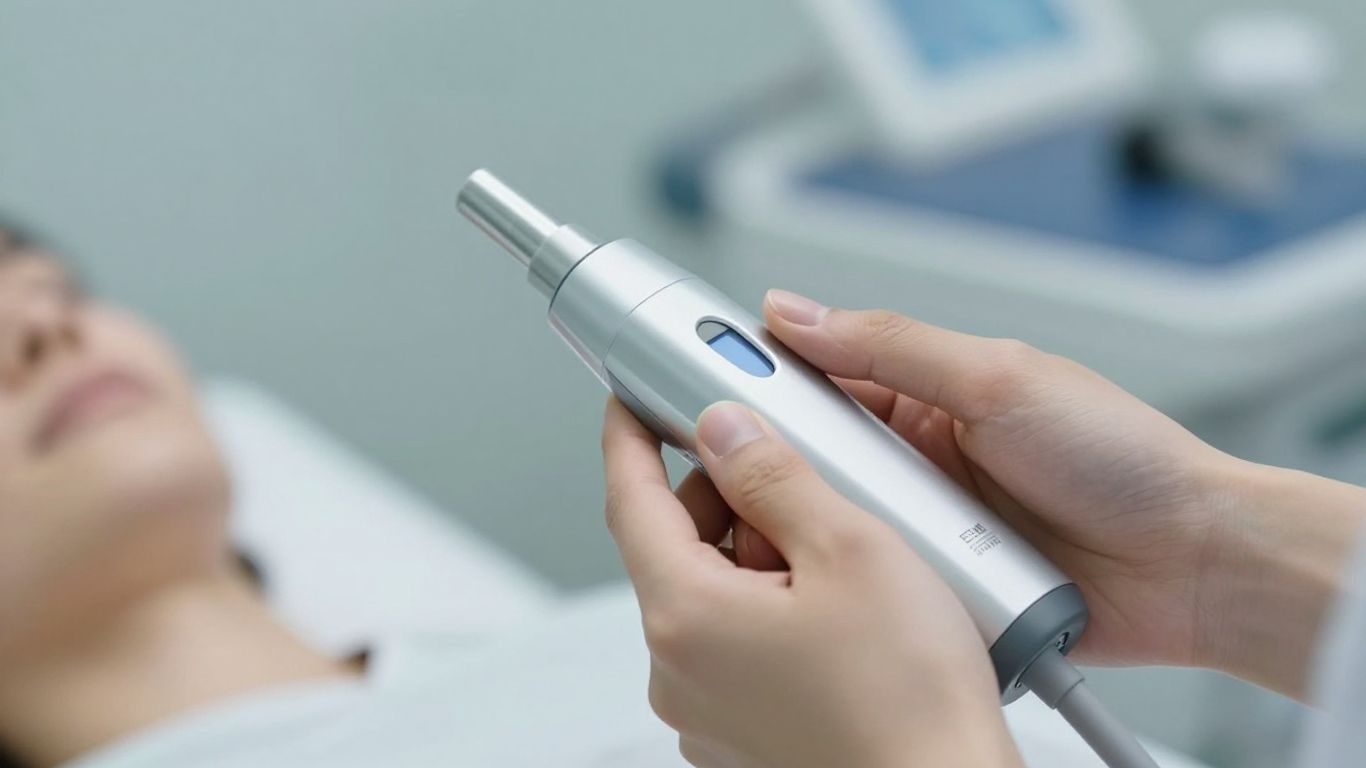
Hands holding a TMS therapy device in a clinical setting.

When it comes to getting paid for Transcranial Magnetic Stimulation (TMS) therapy, knowing the right codes is pretty important. These codes, called CPT codes, are basically a secret language that healthcare providers use to tell insurance companies exactly what services they provided. Without the right codes, your claims can get messy, and that means delays in getting paid, or worse, denials.

The Role of CPT Codes in TMS Reimbursement

Think of CPT codes as the universal language for medical procedures. For TMS therapy, they’re how we identify the specific treatments and assessments performed. Using the correct codes is the first step in making sure insurance companies understand the services rendered and can process your claims accurately. It’s not just about getting paid; it’s about clear communication in the billing process.

Identifying the Initial TMS Treatment Code (90867)

The code you’ll see most often for the very first TMS session is 90867. This isn’t just for zapping the brain with magnets, though. This code covers a whole bunch of stuff that happens during that first visit. It includes figuring out where on the scalp to place the device (that’s the cortical mapping part), determining the exact level of magnetic stimulation needed for that specific patient (the motor threshold determination), and then actually delivering the first treatment. It’s a pretty involved session, and the code reflects that.

Subsequent Treatment and Re-determination Codes (90868 & 90869)

After that initial session, things change a bit. For all the regular, follow-up TMS treatment sessions, you’ll use CPT code 90868. This code is for the ongoing delivery and management of the TMS therapy. Then there’s 90869. This code is used when the motor threshold needs to be re-determined. This isn’t something done every single session; it’s usually needed if there’s a significant change in the patient’s condition or if a long time has passed between treatments. It’s important to know when to use 90868 versus 90869 to avoid billing errors.

Here’s a quick rundown:

  • CPT 90867: The big one for the very first TMS session. Includes mapping, finding the motor threshold, and the first treatment delivery.
  • CPT 90868: For all the standard, ongoing TMS treatment sessions after the first one.
  • CPT 90869: Used specifically when you need to re-check and re-determine the patient’s motor threshold.
Getting these codes right from the start is key. It sets the stage for smooth billing and helps avoid headaches down the road with insurance claims. It’s all about accuracy and making sure the documentation matches the codes you submit.

Navigating Insurance Authorization and Documentation

Hands holding medical documents and a pen.

Getting the green light from insurance companies for TMS therapy can feel like a puzzle. It’s not just about knowing the right codes; it’s about making sure all the paperwork is in order. This process is key to making sure patients can actually get the treatment they need without facing unexpected bills.

Verifying Patient Coverage for TMS

Before you even think about scheduling the first session, you absolutely have to check what the patient’s insurance plan covers. It sounds simple, but you’d be surprised how many times this step gets rushed. Different plans have different rules, and what’s covered for one person might not be for another, even with the same insurance company.

Here’s a quick rundown of what to do:

  • Call the insurance company directly. Don’t just rely on online portals or automated systems. Sometimes, they give you the wrong info, and you don’t want to find that out after the treatment has started.
  • Ask specific questions. Have a list ready: Is TMS covered for their diagnosis? What are the specific criteria they use? Is prior authorization needed?
  • Get it in writing. If possible, get confirmation of coverage details via email or a reference number for your call. This can be a lifesaver if issues pop up later.

Understanding Payer-Specific Authorization Requirements

Each insurance company, or payer, has its own set of hoops you need to jump through for prior authorization. This is where things can get really detailed. They want to see proof that TMS is really necessary for that specific patient.

What they usually want includes:

  • Patient History: A clear picture of the patient’s condition, including how long they’ve had it and previous treatments tried.
  • Treatment Resistance: Evidence that other treatments, like medications or therapy, haven’t worked. This often means listing out the specific medications, dosages, and durations, and why they failed.
  • Treatment Plan: A detailed plan for the TMS therapy itself, including the specific CPT codes you’ll be using (like CPT 90867 for the initial session).
It’s really important to be thorough here. Missing even one piece of information can lead to a denial, and then you’re back to square one, trying to appeal the decision. Think of it as building a case for why this patient needs TMS.

Essential Documentation for Claim Submission

Once you have authorization, you’re not done. Every single session needs to be documented properly. This documentation is what backs up your claim when you send it to the insurance company for payment.

Key documents you’ll need include:

  • Consent Forms: Signed by the patient, showing they understand the treatment and agree to it.
  • Session Notes: Detailed notes for each TMS session, including the exact parameters used, the patient’s response during the session, and any side effects.
  • Progress Notes: Regular updates on the patient’s overall progress, how they’re responding to the treatment, and any adjustments made to the treatment plan.
  • Motor Threshold Determinations: Records of the motor mapping and threshold determination, especially for the initial session (CPT 90867) and any time a re-determination is needed (CPT 90869).

Getting this right from the start saves a lot of headaches down the road. It helps avoid claim denials and makes sure you get paid for the work you do.

Key Components of the Initial TMS Session (CPT 90867)

So, you’re starting TMS therapy, and the first session feels a bit different, right? That’s because it is. This initial visit is covered by CPT code 90867, and it’s way more than just showing up for treatment. Think of it as the setup phase for your entire course of therapy. It’s where all the important groundwork gets laid out.

Cortical Mapping and Motor Threshold Determination

This is probably the most technical part of the first session. The clinician needs to figure out exactly where on your scalp to place the magnetic coil. This isn’t just a guess; they’re looking for a specific spot that influences the part of your brain related to mood. After finding that spot, they’ll do something called determining your motor threshold. Basically, they’re finding the lowest level of magnetic stimulation that makes your thumb twitch. This is super important because it sets the baseline for how strong the pulses will be for your actual treatments. It’s all about personalizing the treatment to you.

Treatment Planning and Initial Management

Once the mapping and threshold are done, the team puts together your treatment plan. This involves deciding on the frequency, intensity, and duration of the magnetic pulses for your upcoming sessions. They’ll document all these details, along with how you responded during this first session. This plan acts as your roadmap for the rest of your TMS journey. It’s not just about zapping your brain; it’s a carefully thought-out strategy. The initial session is quite a bit more involved than the follow-up ones, and that’s why it has its own specific code, CPT code 90867.

This first session is where the real customization happens. It’s not a one-size-fits-all approach. The mapping and threshold determination are unique to each individual, ensuring the treatment is as effective as possible. This detailed preparation is what sets the stage for the subsequent therapy sessions.

Distinguishing Between TMS Treatment Codes

CPT 90867: The Comprehensive Initial Session

This code, CPT 90867, is your go-to for the very first time a patient receives Transcranial Magnetic Stimulation (TMS) therapy. It’s not just about zapping the brain with magnetic pulses; it covers a whole lot more. Think of it as the grand opening of the treatment. It includes figuring out the patient’s unique motor threshold – basically, finding the exact level of stimulation that causes a twitch in their thumb or finger. This is super important for safety and effectiveness. After that’s nailed down, the code also covers the planning of the treatment course and the actual delivery of that first therapeutic session. It’s a bundled code, meaning you can’t bill separately for the mapping or the initial treatment; it’s all under 90867.

CPT 90868: Standard Subsequent Treatments

Once the initial session (90867) is done and dusted, all the follow-up treatments fall under CPT code 90868. This code is for each standard TMS therapy session that occurs after the first one. It represents the ongoing delivery of the prescribed treatment plan. The key here is that the motor threshold has already been determined and documented, so this code simply reflects the continued application of TMS at the established parameters. You’ll be using this code repeatedly throughout the patient’s treatment course, for every single session after the initial one.

CPT 90869: Re-determining Motor Threshold

Sometimes, a patient’s motor threshold might change during the course of TMS therapy. This could be due to various factors, and it’s important to adjust the stimulation accordingly. That’s where CPT code 90869 comes in. This code is used specifically when the provider needs to re-evaluate and re-determine the patient’s motor threshold. This isn’t a routine part of every session; it’s typically done only when clinically indicated, perhaps if the patient reports changes in sensation or if there’s a significant break in treatment. Accurate documentation is key to justifying the use of 90869. It signifies a specific clinical decision and action taken to optimize the ongoing treatment.

Here’s a quick rundown:

  • CPT 90867: Initial session, including motor threshold determination, treatment planning, and first treatment delivery.
  • CPT 90868: Each subsequent standard TMS therapy session.
  • CPT 90869: When motor threshold needs to be re-assessed and re-determined during the treatment course.
Understanding these distinctions is vital. Using the wrong code can lead to claim denials, delayed payments, and potential compliance issues. Always refer to the latest CPT guidelines and payer policies to ensure your billing is accurate and up-to-date.

Common Pitfalls in TMS Billing and Coding

So, you’re providing TMS therapy, which is fantastic for patients. But then comes the paperwork, and let’s be honest, it can feel like a maze. Getting the billing and coding right is super important, not just for getting paid, but for keeping things smooth. Messing this up can lead to denied claims, payment delays, and a whole lot of headaches. It’s like trying to assemble furniture without the instructions – frustrating and often ends with a wobbly result.

Mistakes with Initial vs. Repeat Mapping

One of the most common slip-ups is mixing up the codes for the very first session versus later ones. Remember, CPT code 90867 is for that initial motor threshold determination and the first treatment. It’s a more involved code because you’re figuring out the patient’s specific stimulation level and starting the therapy. Using 90867 for any session after the first one is a big no-no. That’s where codes like 90868 come in for standard follow-up treatments. And if you need to re-check the motor threshold later in the treatment course, that’s a separate code, 90869.

  • 90867: The grand opening – motor threshold finding and the very first TMS treatment.
  • 90868: The workhorse – for all the regular, subsequent TMS treatment sessions.
  • 90869: The re-calibration – when you need to re-determine the motor threshold during the treatment series.

Billing Multiple Codes on the Same Day

Another tricky area is what you can bill for on a single day. Generally, you can’t bill for multiple initial treatments (90867) for the same patient, even if it’s on different days within a short period. The system is set up to recognize 90867 as a one-time event per course of treatment. Similarly, be careful about billing for services that are already included within a primary code. For instance, if you’re billing for 90867, the motor threshold determination is part of that. Trying to bill for that separately would be considered "unbundling" and can cause problems.

It’s really about understanding what each code encompasses. Think of it like a package deal. Code 90867 includes the setup and the first go; you don’t get to charge extra for the setup part once the package is already opened.

Overlooking Modifier Requirements

Modifiers are those little two-digit codes you add to your CPT codes to give payers more information about the service you provided. For TMS, they can be important, especially if there are specific payer requirements or if you’re providing services in a non-standard way. For example, if a patient requires a re-determination of their motor threshold (90869) more frequently than a payer typically allows, you might need a modifier to explain the medical necessity. Always check with the specific insurance company to see if any modifiers are needed for TMS services. Missing these can lead to claim rejections, even if the rest of your coding is spot on.

Provider Qualifications and Setting Requirements

Who Can Bill for TMS Therapy?

So, who exactly gets to bill for TMS therapy? It’s not just anyone with a clinic. Generally, you’re looking at medical doctors, like psychiatrists and neurologists, who have specific training in using these brain stimulation devices. Sometimes, advanced practice providers like nurse practitioners or physician assistants can bill, but usually, they need to be working under the direct supervision of a physician. It’s a bit like needing a special license to operate certain machinery – you can’t just jump in without the right credentials and training. Always double-check with your specific insurance provider because their rules can vary.

Approved Clinical Settings for TMS Delivery

Where the TMS therapy actually happens matters too. Insurance companies and Medicare often have a list of approved places. Think specialized psychiatric clinics, neurology practices that have the right equipment, hospital outpatient departments, or even dedicated TMS centers. It’s not typically done in a standard doctor’s office unless that office meets certain facility standards. They want to make sure the environment is set up for safe and effective treatment.

Ensuring Compliance with Payer Criteria

To get paid, you’ve got to follow the rules. Payers, meaning the insurance companies, usually want proof of a few things:

  • Provider Training: The doctor or clinician administering TMS needs to have completed training on the specific device being used. This often comes directly from the device manufacturer.
  • Supervision: If an advanced practice provider is involved, there needs to be clear documentation about the supervising physician’s credentials and their presence.
  • Protocols: Treatment must follow the FDA-approved indications and protocols for the device.
  • Facility Standards: The clinic or facility itself might need to meet certain accreditation or operational standards.
It’s really important to get this right from the start. Billing errors, especially around who is qualified and where the treatment is given, can lead to denied claims and headaches down the road. Making sure all your ducks are in a row regarding provider qualifications and the treatment setting is key to getting reimbursed smoothly.

The Importance of Accurate Coding for Patient Access

Ensuring Insurance Coverage for TMS

Getting the right CPT codes on your insurance claims is really the first step to making sure patients can actually get the TMS therapy they need. Think of it like a key – the correct code unlocks the door to coverage. If the code is wrong, or if it’s missing entirely, the insurance company might just say ‘no’ without even looking at the medical details. This isn’t about trying to trick anyone; it’s about clearly telling the insurance company exactly what service was provided. When we use codes like 90867 for the initial session, which includes that important motor threshold mapping, we’re being specific. This helps payers understand the full scope of the treatment, not just a simple office visit.

Facilitating Prompt Reimbursement for Providers

For the clinics and doctors offering TMS, getting paid correctly and on time is obviously a big deal. It keeps the lights on and allows them to keep offering this treatment. Billing errors, especially with those initial versus subsequent session codes (90867, 90868), can cause major headaches. Claims can get denied, or worse, paid incorrectly, leading to a lot of back-and-forth with the insurance company. This wastes everyone’s time and money. Having a solid grasp on the coding, including when to use 90869 for re-mapping, means fewer claim rejections and a more predictable cash flow. It’s about making the business side of healthcare run smoothly so the focus can stay on patient care.

Enhancing Patient Affordability of Treatment

Ultimately, all this coding stuff comes back to the patient. When insurance covers TMS therapy properly, it makes a huge difference in how much the patient has to pay out of pocket. If claims are denied because of coding mistakes, patients might be stuck with bills for thousands of dollars. That’s a massive barrier for someone already dealing with a health condition. Accurate coding helps reduce those surprise bills and makes TMS a more realistic option for more people. It’s not just about the paperwork; it’s about making a potentially life-changing treatment accessible to those who need it most.

The process of coding for TMS therapy might seem like a technical detail, but it directly impacts whether a patient can access and afford a treatment that could significantly improve their quality of life. Precision in coding translates to better patient outcomes and a more sustainable practice for providers.

Wrapping It Up

So, we’ve gone over the main CPT codes for TMS therapy, like 90867 for the first session and 90868 for the ones that follow. It’s not always the easiest thing to figure out, especially with insurance companies having their own rules. But getting this right is super important so that providers get paid and patients can actually get the treatment they need. Don’t be afraid to ask for help if you’re feeling lost with all the paperwork and codes. There are people and services out there that can make this whole process a lot less confusing. In the end, it’s all about making sure this helpful therapy gets to the people who can benefit from it.

Frequently Asked Questions

What are CPT codes and why are they important for TMS therapy?

Think of CPT codes as special secret codes that doctors and clinics use when they tell insurance companies about the medical help they gave you. For TMS therapy, which is a brain treatment, there are specific codes. The main ones help insurance understand what kind of treatment you got, like the first special session (code 90867) or regular follow-up sessions (code 90868). Using the right codes is super important so that insurance can figure out if they should pay for the treatment and so the clinic gets paid for their work.

What’s the difference between the first TMS treatment code (90867) and the ones for later treatments (90868)?

The first TMS treatment is a big deal! Code 90867 is used for that very first visit. It’s like a special setup session where the doctor figures out the best spot on your head to send the magnetic pulses and finds the right strength for you. This takes extra time and planning. After that first session, all the regular treatments use code 90868. It’s basically for the ongoing treatment itself, without all the initial setup.

Do I need special permission from my insurance before starting TMS therapy?

Most of the time, yes! Insurance companies usually want to know ahead of time that you need TMS therapy. This is called getting ‘prior authorization.’ You or your doctor’s office will need to send them information, like proof that other treatments haven’t worked for you. It’s like asking for permission before you go, so they know it’s a necessary treatment.

What kind of information do I need to have ready for insurance when I get TMS therapy?

You’ll need to make sure your doctor has all the right paperwork. This includes proof of why TMS therapy is needed for you, like notes about your medical history and which other treatments you’ve tried before. They also need to use the correct CPT codes we talked about and make sure the diagnosis matches the treatment. Good notes and the right codes help insurance understand your situation better.

Can any doctor or clinic provide TMS therapy and bill for it?

Not just anyone! For insurance to cover TMS therapy, the doctor or clinic usually needs special training and must follow certain rules. They also need to use specific machines and practice in places that are approved for this kind of treatment. Insurance companies want to make sure you’re getting the treatment from qualified people in a safe setting.

What happens if the wrong CPT code is used for my TMS therapy?

Using the wrong code can cause problems. It might mean your insurance claim gets denied, or they might ask for money back later. It could also mean you have to pay more out of your own pocket. That’s why it’s so important for clinics to be really careful and use the exact right code for each part of the TMS treatment process.

Understanding How does Spravato Work and its Effectiveness

Understanding How does Spravato Work and its Effectiveness.

In the field of mental health treatments, treatment-resistant depression (TRD) has long been a tenacious adversary, casting a shadow over the lives of countless individuals. However, amidst the despair, a glimmer of hope emerges in the form of Spravato (esketamine nasal spray), a groundbreaking treatment that offers renewed promise for those battling this formidable condition. This comprehensive guide delves into the intricacies of how does Spravato works, shedding light on its mechanism and addressing common questions like how long does it take to work. Additionally, we embark on a practical exploration of the steps involved in accessing this revolutionary esketamine nasal spray, empowering individuals to navigate the path toward long-awaited relief.

Feeling stuck in your fight against depression?

Let Spravato’s innovative treatment guide you towards recovery Let’s Get Started (888) 701 6472

Understanding the Mechanism of Spravato

The mechanism of Spravato involves the action of esketamine, a component that interacts with the brain’s receptors. This interaction is thought to modulate N-methyl-D-aspartate (NMDA) receptors, influencing neural pathways associated with depression. Esketamine, a glutamate receptor modulator, works by increasing the number of glutamate receptors in the brain. This augmentation enhances the binding of glutamate to receptors, facilitating more effective signal transmission. As glutamate is a key neurotransmitter involved in mood and cognition, this mechanism is believed to play a crucial role in elevating mood and alleviating symptoms of depression. The unique aspect of Spravato lies in its departure from traditional antidepressants, which primarily target serotonin and norepinephrine levels. This distinction makes Spravato a promising option for individuals who have not responded to conventional antidepressants. Spravato’s mechanism involves esketamine’s modulation of glutamate receptors, impacting neural pathways associated with depression. This distinctive approach positions Spravato as a novel and potentially effective treatment for those facing treatment-resistant depression.

Spravato’s Therapeutic Timeline: When Can You Expect Results?

The timeline for Spravato’s efficacy is a crucial aspect for individuals exploring this innovative treatment for depression. Understanding how long Spravato takes to work is essential for managing expectations and gauging the impact on one’s mental health journey. The response to Spravato can vary among individuals due to factors such as dosage, frequency of administration, and personal physiology. Typically, patients may begin to experience noticeable effects within a few weeks of initiating treatment. It’s important to note that improvement may be gradual, and the full benefits of Spravato may become more apparent over time. While some individuals may observe positive changes relatively quickly, for others, it may take several sessions before the full therapeutic effects are realized. The key is to remain patient and consistent with the prescribed treatment plan, as individual responses can differ. It’s advisable for individuals undergoing Spravato treatment to maintain open communication with their healthcare provider. Regular check-ins allow for adjustments to the treatment plan if needed, ensuring that the approach aligns with the individual’s unique response and needs. The timeline for how long Spravato takes to work varies among individuals. While some may experience early benefits, others may require a more extended period before witnessing the full impact. Patience, consistent communication with healthcare providers, and adherence to the prescribed treatment plan are essential elements in navigating the journey toward the potential therapeutic benefits of Spravato.

Case Study: Sarah’s Journey to Hope

Meet Sarah, a resilient 35-year-old who, despite years of battling treatment-resistant depression and trying various antidepressants, found herself in a seemingly unyielding struggle. Frustrated and seeking a breakthrough, Sarah, in collaboration with her mental health specialist, decided to explore Spravato as a potential solution. Spravato operates differently. It uses esketamine to communicate with the brain’s receptors, providing a fresh perspective in the field of mental health. For Sarah, this shift in approach meant a chance to break free from the hold of depression, focusing on a neurotransmitter called glutamate. The effectiveness of Spravato varies from person to person. Sarah started feeling better within a few weeks, but the real change took time. Some people experience quicker results, while others need more sessions. The key is to be patient and stay in touch with your healthcare provider. Sarah’s regular check-ins allowed her treatment plan to adapt, ensuring it suited her unique needs.

How to Get Esketamine Nasal Spray – A Step-by-Step Guide

Navigating the process of obtaining esketamine nasal spray, commonly known as Spravato, involves several essential steps. This step-by-step guide aims to provide clarity for individuals considering this innovative treatment option for depression. Step 1: Initiate a Conversation with a Healthcare Professional
  • Identify a healthcare professional: Seek out a qualified psychiatrist or mental health specialist.
  • Schedule an appointment: Discuss your concerns and schedule a consultation to discuss esketamine nasal spray.
  • Gather information: Prepare relevant information about your symptoms, treatment history, and any questions you may have.
Step 2: Comprehensive Assessment
  • Medical history review: Provide a detailed account of your medical history, including any pre-existing conditions, past treatments, and allergies.
  • Current medications disclosure: Inform your healthcare provider about all medications you are currently taking, including prescription drugs, over-the-counter medications, and herbal supplements.
  • Risk assessment: Discuss any potential risks or contraindications associated with esketamine nasal spray, considering your individual circumstances.
Step 3: Prescription and Treatment Plan
  • Prescription issuance: Upon determining suitability, your healthcare provider will issue a prescription for esketamine nasal spray.
  • Personalized treatment plan: A customized treatment plan will be outlined, detailing the recommended dosage and frequency of administration.
  • Clarification and discussion: Address any questions or concerns regarding the prescription or treatment plan before proceeding.
Step 4: Supervised Administration Sessions
  • Close monitoring: Healthcare professionals can closely monitor your response to esketamine nasal spray, ensuring prompt intervention if any side effects arise.
  • Patient education: You will receive personalized guidance on the proper administration of esketamine nasal spray, maximizing its effectiveness.
  • Safety assurance: The controlled clinical setting minimizes the risk of adverse reactions or complications.
Step 5: Ongoing Monitoring and Support
  • Scheduled follow-ups: Attend regular check-ins with your healthcare provider to assess your progress and make necessary adjustments to the treatment plan.
  • Side effect reporting: Inform your healthcare provider promptly about any side effects or changes in your condition.
  • Open communication: Maintain open communication with your healthcare provider to address any concerns or questions that arise throughout the treatment journey.
Step 6: Compliance with the Treatment Plan
  • Scheduled appointments: Regularly attend supervised administration sessions as scheduled by your healthcare provider.
  • Medication administration: Follow the prescribed dosage and frequency of esketamine nasal spray administration.
  • Lifestyle modifications: Implement any recommended lifestyle changes, such as maintaining a healthy diet and regular exercise, which can complement the therapeutic effects of esketamine nasal spray.
Step 7: Access to Continued Support
  • Enhanced treatment outcomes: Continuing support can amplify the effectiveness of esketamine nasal spray treatment, leading to lasting improvements in mental health.
  • Emotional well-being: Support systems provide a safe and nurturing space to process emotions, develop coping mechanisms, and foster resilience.
  • Holistic approach: Ongoing support complements the medication-based treatment, addressing the broader aspects of mental health and overall well-being.
Obtaining esketamine nasal spray involves a collaborative effort between individuals and their healthcare providers. By initiating a conversation, undergoing a comprehensive assessment, and adhering to a personalized treatment plan, individuals can navigate the journey toward potential therapeutic relief with esketamine nasal spray.

Warnings and Precautions for Using Spravato

Before considering the use of Spravato, it is crucial to have a comprehensive discussion with your healthcare provider. This medication may not be suitable for individuals with certain health conditions, and the following warnings and precautions should be taken into account:
  • Uncontrolled Heart Problems:
If you have heart-related issues such as poor blood flow in the heart vessels, frequent chest pain (angina), high blood pressure, heart valve disease, or heart failure, consult your doctor before using Spravato.
  • Previous Brain Blood Supply Issues:
Individuals with a history of problems with the blood supply to the brain, such as a stroke, should discuss their medical history with their healthcare provider before considering Spravato.
  • History of Substance Abuse:
If you have a history of drug abuse, whether with prescribed medications or illegal drugs or if you have had issues with alcohol, it is important to inform your doctor before starting Spravato.
  • Psychosis or Bipolar Disorder:
Individuals with a history of psychosis (believing in things that are not true or experiencing hallucinations) or bipolar disorder should discuss these conditions with their healthcare provider before using Spravato.
  • Overactive Thyroid:
If you have a history of an improperly treated overactive thyroid (hyperthyroidism), it is essential to inform your doctor before considering Spravato.
  • Lung Problems: Individuals with lung problems causing breathing difficulty, including Chronic Obstructive Pulmonary Disease (COPD), should discuss their condition with their healthcare provider before using Spravato.
  • Sleep Apnea and Obesity:
If you have sleep apnea and are extremely overweight, it is important to inform your doctor before using Spravato.
  • Heartbeat Irregularities:
Those with a history of slow or fast heartbeats causing shortness of breath, palpitations, chest discomfort, lightheadedness, or fainting should discuss these issues with their healthcare provider before considering Spravato.
  • Serious Head Injury or Serio:
If you have experienced a serious head injury or have ongoing serious health issues, it is crucial to inform your healthcare provider before using Spravato. It is imperative to disclose your complete medical history and any ongoing health concerns to your doctor to ensure that Spravato is a safe and appropriate treatment option for you. Always follow your healthcare provider’s guidance and adhere to any prescribed precautions to optimize the benefits of Spravato while minimizing potential risks.

WARNING

For your safety, please adhere to the following precautions after your Spravato® treatment: Driving and Operating Machinery:
  • DO NOT drive or operate machinery until the day after your Spravato treatment, following a restful sleep. Impairment can occur, and it is crucial to ensure that you are fully alert and capable before engaging in activities that require concentration and coordination.
Post-Treatment Travel:
  • If your healthcare professional advises that you are stable and can leave the clinic or hospital after your Spravato treatment session, please plan your travel home accordingly. It is recommended to:
  • Utilize public transport.
  • Use a taxi service.
  • Arrange for someone else to drive you home.

Your Path to Recovery Begins Here

At Relevance Recovery, our focus is on helping you achieve lasting wellness with the compassion you need, while guiding you to rediscover your strength. Help Me Recover

The Bottom Line:

In wrapping up our exploration of Spravato, it’s clear that this medication brings a new dimension to the table in the realm of mental health treatment. By digging into the nitty-gritty details of how Spravato operates, we’ve gained practical insights into its potential as a source of hope and relief for those grappling with treatment-resistant depression. Spravato’s unique mechanism, especially its impact on glutamate receptors and its departure from the usual antidepressant route, highlights its significance in the ever-evolving landscape of mental health therapies. This guide hasn’t just scratched the surface on how Spravato works; it’s also addressed pressing questions about how long its effects last and the practical steps involved in getting hold of esketamine nasal spray. In the real-world journey of mental health treatments, Spravato emerges as a fresh option, particularly for those who’ve hit roadblocks with standard antidepressants. Understanding Spravato isn’t just about decoding a medical mystery; it’s about offering a tangible path to hope, resilience, and potential transformation for individuals wrestling with treatment-resistant depression. Here’s to hoping this knowledge serves as a practical guide, enabling individuals and healthcare professionals to make informed decisions and usher in a more promising era in mental healthcare. Now, let us know your thoughts. How do you envision Spravato shaping the future of mental health treatment? Have you or someone you know had experiences with Spravato, and what impact do you think it could have on the broader conversation about treatment-resistant depression? Your insights and comments contribute to a richer understanding of this innovative approach to mental health care.