Colorful foods for mood improvement on a kitchen counter.

Beyond Medication: Discover Foods That Help in Depression and Boost Your Mood

Feeling a bit down lately? It happens to everyone. While medication is an option, sometimes the simplest changes can make a big difference. We’re talking about what’s on your plate. Turns out, some foods can actually help lift your spirits and fight those blues. It’s not about drastic diets, but about making smart choices with foods that help in depression and boost your mood. Let’s explore some tasty options that can make you feel better, one bite at a time.

Key Takeaways

  • Fatty fish, flaxseeds, and walnuts are packed with omega-3s, which are good for brain health and can help improve mood.
  • Leafy greens and other vegetables provide folate and antioxidants, important for mental well-being, while fiber supports a healthy gut.
  • Fruits like berries and bananas offer antioxidants and compounds that can naturally boost serotonin, a feel-good chemical.
  • Lean proteins and healthy fats are vital for brain function, keeping you alert and focused.
  • Dark chocolate and sweet potatoes offer natural mood enhancers, like endorphin boosters and sustained energy sources.

Embrace Omega-3 Rich Foods For A Brighter Mood

Colorful foods for a brighter mood

The Brain-Boosting Power of Fatty Fish

When we talk about foods that can really make a difference for your mood, fatty fish often comes up. Think salmon, mackerel, sardines, and herring. These aren’t just tasty; they’re packed with omega-3 fatty acids, specifically EPA and DHA. Our brains are actually made up of a lot of fat, and these omega-3s are a big part of that. They play a role in how our brain cells communicate and can help keep inflammation in check, which is something scientists are increasingly linking to mood issues.

Studies have looked into this connection, and some suggest that getting enough omega-3s might help with symptoms of depression. It’s not a magic cure, of course, but it’s a piece of the puzzle. Eating fish a couple of times a week is a good way to get these beneficial fats into your diet. If fish isn’t your favorite, don’t worry, there are other ways to get similar benefits, which we’ll get to.

Incorporating Flaxseeds and Walnuts

Okay, so maybe you’re not a huge fan of fish, or perhaps you’re looking for more plant-based options. Good news! You can still get those helpful omega-3s, plus other good stuff, from seeds and nuts. Flaxseeds, for example, are a fantastic source. The trick with flaxseeds is to grind them up before you eat them. This helps your body actually absorb the nutrients. You can sprinkle ground flaxseeds on your yogurt, oatmeal, or add them to smoothies.

Walnuts are another star player. They not only contain omega-3s but also magnesium. Magnesium is one of those minerals that seems to be involved in making feel-good chemicals in your brain, like dopamine and serotonin. So, a handful of walnuts can be a great snack. It’s about finding simple ways to add these nutrient-dense foods into your daily routine. Even small changes can add up over time.

It’s easy to think of food as just fuel, but it’s so much more. The foods we choose can actually impact how we feel, both physically and mentally. Focusing on whole, nutrient-rich options is a way to support your overall well-being, including your mood.

Discover The Benefits Of Leafy Greens And Vegetables

Folate-Rich Greens to Elevate Your Spirits

When you’re feeling down, the last thing you might think about is a big salad. But those leafy greens are actually packed with nutrients that can make a real difference in your mood. One of the stars here is folate, also known as Vitamin B9. Low levels of folate have been linked to depression, so getting enough is pretty important. Think spinach, romaine lettuce, and even things like Brussels sprouts and asparagus. They’re like little mood boosters hiding in plain sight.

Antioxidant Powerhouses for Mental Well-being

Beyond folate, leafy greens are loaded with antioxidants. These compounds help protect your body from damage caused by unstable molecules called free radicals. While this is good for your whole body, it’s also thought to play a role in mental health. Some research suggests that inflammation in the body might be connected to feeling depressed, and antioxidants can help fight that inflammation. So, loading up on a variety of colorful greens isn’t just good for your physical health; it’s a smart move for your brain too.

Fiber’s Role in Supporting Gut Health and Mood

Let’s talk about fiber. Leafy greens are a great source of it, and fiber does more than just help with digestion. It feeds the good bacteria in your gut, which is a big deal for your overall well-being, including your mood. The connection between your gut and your brain, often called the gut-brain axis, is a hot topic in health research. A healthy gut microbiome can influence how you feel, and the fiber from greens helps keep that microbiome happy and balanced. It’s a bit of a cycle: good gut health can lead to a better mood, and eating fiber-rich foods like greens is a key part of that.

Here’s a quick look at some top leafy greens and their benefits:

  • Spinach: A fantastic source of folate and magnesium, which helps with feel-good brain chemicals.
  • Kale: Packed with vitamins and antioxidants, it’s a nutritional powerhouse.
  • Arugula: If you find plain greens a bit bland, arugula offers a peppery kick and still provides those important nutrients.
  • Romaine Lettuce: A lighter option, but still contributes to your daily intake of vitamins and minerals.

It’s easy to overlook simple foods like salads when we’re feeling low, but incorporating a variety of leafy greens into your daily meals can be a simple yet effective way to support your mental well-being from the inside out. Don’t underestimate the power of these humble vegetables.

Savor The Sweetness Of Mood-Enhancing Fruits

Berries: A Delicious Source of Antioxidants

When you’re feeling down, reaching for something sweet is natural. But instead of processed sugars that can lead to a crash, consider nature’s candy: berries. These little powerhouses are packed with antioxidants, which are like tiny bodyguards for your brain cells, protecting them from damage. Think blueberries, strawberries, raspberries – they’re not just tasty, they’re also loaded with compounds that can help fight inflammation, a known contributor to low moods. Plus, they have a lower sugar content compared to many other sweet treats, making them a smarter choice.

  • Blueberries: Often called a "superfood," they’re rich in anthocyanins, which give them their blue color and have strong antioxidant properties.
  • Strawberries: A good source of Vitamin C, which plays a role in brain function and can help reduce fatigue.
  • Raspberries: Offer a good amount of fiber, which is important for gut health, and also contain antioxidants.

Adding berries to your diet is a simple way to introduce more mood-supporting nutrients. You can toss them into your morning oatmeal, blend them into a smoothie, or just enjoy them by the handful. They’re a versatile and delicious way to give your mood a gentle lift.

Bananas and Their Serotonin-Boosting Properties

Bananas are more than just a convenient snack; they’re a natural mood booster. They contain tryptophan, an amino acid that your body converts into serotonin. Serotonin is often called the "feel-good" chemical because it plays a big part in regulating mood, sleep, and appetite. When serotonin levels are balanced, you tend to feel calmer and happier. Bananas also provide Vitamin B6, which helps with this conversion process, and natural sugars that offer a steady release of energy without the sharp spikes and dips you get from refined sweets.

The natural sweetness and satisfying texture of bananas make them a comforting food. They offer a gentle, sustained energy boost and contribute to the production of feel-good neurotransmitters, making them a smart choice when you need a little pick-me-up.

It’s pretty neat how a simple fruit can have such a direct impact on how we feel, right? They’re easy to find, easy to eat, and can be incorporated into so many different meals or enjoyed on their own. So next time you’re looking for a little something to brighten your day, don’t overlook the humble banana.

Nourish Your Brain With Quality Proteins And Healthy Fats

Lean Proteins for Alertness and Focus

Your brain needs a steady supply of protein throughout the day to keep you sharp and focused. Think of protein as the building blocks for neurotransmitters, those chemical messengers that play a big role in how you feel and think. When you don’t get enough, you might notice that foggy feeling or a general lack of get-up-and-go. It’s not just about feeling tired; it’s about your brain’s ability to do its job.

Good sources of protein include:

  • Eggs: A versatile and complete protein source.
  • Lean meats: Think chicken, turkey, or grass-fed beef.
  • Fish: Especially fatty fish, which also bring omega-3s to the table.
  • Legumes: Beans, lentils, and peas are great plant-based options.
  • Tofu and tempeh: Soy-based proteins that are easy to incorporate.

Getting enough quality protein helps your brain stay alert and focused, which can make a real difference in your daily mood.

The Essential Role of Healthy Fats in Brain Function

It might sound counterintuitive, but fat is actually super important for your brain. In fact, about 60% of your brain is made of fat! The kind of fat you eat matters a lot. Healthy fats are like the oil that keeps your brain’s machinery running smoothly. They help with cell structure, communication between brain cells, and even reduce inflammation.

When we cut out all fat, we often end up reaching for processed foods that are loaded with sugar, which can actually make us feel worse. Instead, focus on incorporating good fats into your meals. These can help your brain function better and contribute to a more stable mood.

Here are some great ways to get healthy fats:

  • Avocado: Creamy and full of monounsaturated fats.
  • Nuts and Seeds: Walnuts, almonds, chia seeds, and flaxseeds are packed with good stuff.
  • Olive Oil: Extra virgin olive oil is great for dressings and cooking.
  • Fatty Fish: Salmon, mackerel, and sardines are rich in omega-3s.

Focusing on whole, unprocessed foods that contain both quality proteins and healthy fats is a smart move for your brain and your overall well-being. It’s about giving your brain the fuel it needs to function at its best, which can have a positive ripple effect on your mood.

Explore The World Of Spices And Herbs

Turmeric and Black Pepper for Anti-Inflammatory Support

Think about your spice rack. It’s probably full of little jars, right? Many of those spices aren’t just for making food taste good; they can actually help your brain feel better. Turmeric, that bright yellow spice, is a big one. It has something called curcumin, which is known for fighting inflammation in the body. When your body is less inflamed, your mood can often improve. It’s not a magic bullet, though. You can’t just eat a pinch of turmeric once and expect to feel amazing. It’s more about making it a regular part of how you cook.

And here’s a little trick: turmeric works even better when you add black pepper. Black pepper has a compound called piperine, which helps your body absorb the curcumin from turmeric. So, when you’re making a curry or a soup, a little sprinkle of both can go a long way. It’s a simple way to add a health boost to your meals without changing much.

Spices That Enhance Natural Flavors and Mood

Beyond the anti-inflammatory benefits, spices are fantastic for making food more interesting. Sometimes, feeling down can make food seem bland, and that doesn’t help. Using spices can bring back the pleasure of eating. Think about cinnamon in your oatmeal, or a bit of ginger in your tea. These aren’t just flavors; they can add a little warmth and comfort.

It’s also about moving away from processed foods. When you cook with fresh ingredients and use spices, you’re getting more natural goodness. This kind of eating, focusing on whole foods and natural flavors, can really make a difference over time. It’s about building a better relationship with food, seeing it as something that nourishes you in more ways than one.

Here are a few ideas to get you started:

  • Cinnamon: Great in oatmeal, baked goods, or even sprinkled on coffee. It can add a touch of sweetness without sugar.
  • Ginger: Wonderful in teas, stir-fries, and marinades. It has a warming effect and a nice zing.
  • Cumin: Adds a savory depth to beans, meats, and vegetable dishes.
  • Paprika: Offers a mild, smoky flavor and a nice color to many meals.

Making small changes, like adding a new spice to your cooking routine or choosing whole foods over processed ones, can add up. It’s not about perfection, but about consistent effort to eat in a way that supports your well-being.

The Comfort Of Dark Chocolate And Sweet Potatoes

Dark chocolate and sweet potatoes for mood-boosting foods.

Sometimes, you just need something comforting, right? When you’re feeling down, reaching for a treat is natural. But what if those treats could actually help you feel better, instead of just offering a temporary fix? That’s where dark chocolate and sweet potatoes come in. They’re not just tasty; they pack a punch when it comes to lifting your mood.

Minimally Processed Cacao for Endorphin Release

Let’s talk about dark chocolate. Not the sugary candy bar kind, but the real deal – minimally processed cacao. This stuff is loaded with compounds that can actually make you feel good. Think of it as a little mood booster in every bite. It’s packed with antioxidants, and it can encourage your brain to release endorphins, those natural feel-good chemicals. Just a small amount, like a square or two a day, can make a difference. It’s best to look for organic, less processed options and maybe even try adding pure cacao powder to smoothies or baking with it. It’s about enjoying that rich flavor without all the extra sugar.

Complex Carbohydrates for Sustained Energy and Serotonin

Then there are sweet potatoes. They’re a fantastic source of complex carbohydrates, which means they give you steady energy without that awful sugar crash later. This sustained energy can help keep your mood more stable throughout the day. Plus, sweet potatoes have a special trick: they help your brain produce serotonin. Serotonin is a neurotransmitter that plays a big role in how we feel, and having enough of it is linked to better mood regulation. You can swap them for regular potatoes in savory dishes or even use them as a base for healthier desserts. They’re filling, nutritious, and surprisingly good for your mental well-being.

When you’re feeling low, the foods you choose can have a real impact. Opting for nutrient-dense, minimally processed options like dark chocolate and sweet potatoes can provide both immediate comfort and longer-term support for your mood. It’s about making choices that nourish your body and your mind.

Here’s a quick look at why these foods are great:

  • Dark Chocolate: Contains compounds that can trigger endorphin release and provides antioxidants.
  • Sweet Potatoes: Offer complex carbohydrates for sustained energy and help boost serotonin production.

It’s not about deprivation; it’s about smart choices that taste good and do good for your mood.

The Impact Of Gut Health On Your Mood

You know, it’s pretty wild how much is going on inside us that we don’t even think about. Turns out, our gut isn’t just for digesting food; it’s like a whole other brain, connected to our actual brain. This connection, called the gut-brain axis, means what happens in your stomach can really mess with or help your mood. Trillions of tiny bugs, the gut microbiome, live in there, and they talk to our brain. When these bugs are happy and balanced, it can make a difference in how we feel. It’s not just about feeling physically well; it’s about feeling mentally okay too.

Probiotic Foods for a Balanced Microbiome

So, how do we keep these gut bugs happy? Probiotic foods are a big part of that. These foods have live bacteria that are good for you. Think of them as tiny helpers for your gut. When you eat them regularly, they can help balance out the good and bad bacteria, which might lead to feeling better overall. Some studies have even shown that people who eat more probiotic foods tend to have lower scores for depression. It’s not a magic fix, but it’s a solid step.

Here are some easy ways to get more probiotics into your diet:

  • Yogurt: Look for ones that say "live and active cultures" on the label. Plain yogurt is usually best, and you can add your own fruit.
  • Kefir: This is a fermented milk drink, kind of like a thinner yogurt. It often has more strains of probiotics than yogurt.
  • Sauerkraut: Fermented cabbage. Make sure it’s the unpasteurized kind found in the refrigerated section, not the shelf-stable stuff.
  • Kimchi: A spicy Korean fermented cabbage dish. It’s got a kick and lots of good bacteria.
  • Kombucha: A fermented tea drink. It can be a bit fizzy and has a unique taste.

Fermented Foods and Their Mental Health Connections

Fermented foods are basically foods that have gone through a process where microorganisms break down sugars. This process creates those beneficial probiotics we just talked about. But it’s not just about the probiotics themselves. The fermentation process can also create other compounds that might be good for our brains. Some research suggests that the anti-inflammatory effects from these healthy gut bugs can actually help reduce symptoms of depression. It’s like a chain reaction: good gut health leads to a happier brain.

It’s becoming clearer that what we eat directly impacts our mental state. Focusing on foods that support a healthy gut microbiome is a practical way to take care of our mood from the inside out. It’s about building a strong foundation for mental well-being, one bite at a time.

It’s important to remember that while these foods can help, they are part of a bigger picture. A diet rich in fiber, omega-3s, and other nutrients works best. Cutting back on processed foods and sugars is also key. Think of it as a team effort for your brain and body.

Putting It All Together

So, we’ve talked about how what we eat can really make a difference when we’re feeling down. It’s not about completely ditching everything you love, but more about making smart swaps. Think adding more colorful fruits and veggies, some good fats, and lean proteins to your plate. It might take a little time to see big changes, maybe a few weeks or even a couple of months, but these small steps add up. Remember, this is just one piece of the puzzle when it comes to managing depression, and it’s always a good idea to chat with a doctor or a professional if you’re struggling. But hey, enjoying a delicious meal that also happens to be good for your brain? That’s a win-win.

Frequently Asked Questions

How long does it take to feel better after changing my diet?

It can take a little while for your body and mind to adjust. Some people might notice small changes in their energy or mood within a few days or weeks. But for the most part, you’ll likely see bigger, lasting improvements in your mental health after about 6 to 12 weeks of eating healthier. It really depends on you, the foods you add, and if your body was missing any important nutrients.

Are there foods that can make depression or anxiety worse?

Yes, definitely. Foods packed with sugar, refined carbs (like white bread or pastries), too much caffeine, and alcohol can often make anxiety and mood swings worse. They can also increase feelings of depression. Swapping these out for whole, natural foods can help keep your mood more steady.

Do foods with probiotics really help with mood and anxiety?

There’s more and more proof that probiotics found in foods like yogurt, kefir, or sauerkraut can be good for your gut. A healthy gut is linked to a better mood and less anxiety, thanks to something called the gut-brain connection. While it’s not a magic fix on its own, eating these foods can be a helpful part of a diet that supports your mental well-being.

How can doctors help patients stick to eating healthier?

Doctors can help by suggesting small, easy steps first, like adding just one healthy snack each day. They can also give out helpful lists for shopping or preparing food. Celebrating even small wins during appointments is important. It’s also useful to talk about what makes it hard to eat healthy, like cost or not knowing how to cook, and find solutions together.

What should people eat if they have food restrictions like being vegan or gluten-free?

Even with food rules like veganism or avoiding gluten, you can still eat well for your mood! Focus on whole, unprocessed foods. For vegans, this means plenty of fruits, vegetables, beans, lentils, nuts, and seeds. For those avoiding gluten, choose gluten-free whole grains like quinoa, brown rice, and oats (if tolerated), along with all the fruits, veggies, nuts, and seeds. The key is variety and choosing nutrient-dense options.

Can eating dark chocolate really boost my mood?

Yes, a little bit of dark chocolate can be a mood lifter! The key is to choose chocolate that has a high percentage of cacao (like 70% or more) and is minimally processed. Cacao contains compounds that can help release feel-good chemicals in your brain called endorphins. Just remember, a small amount, like a square or two a day, is usually enough to get the benefit without too much sugar.


Couple holding hands, showing support and care.

Navigating Support: A Comprehensive Guide on How to Help Wife with Depression

Navigating Support: A Comprehensive Guide on How to Help Wife with Depression

When your wife is struggling with depression, it can feel overwhelming. You want to be there for her, but figuring out how to help wife with depression can be tricky. It’s not always clear what to say or do. This guide is here to offer some practical ideas and support, helping you navigate this tough time together. We’ll cover understanding what she’s going through, how to talk about it, and how to support her journey to feeling better, all while making sure you’re okay too.

Key Takeaways

  • Understand that depression is a medical condition, not a personal failing. Recognizing the signs and how it affects daily life is the first step in knowing how to help wife with depression.
  • Focus on listening and validating her feelings rather than trying to immediately fix the problem. Simple phrases like ‘I’m here for you’ can mean a lot.
  • Create a stable home environment by sticking to routines, reducing daily pressures, and gently encouraging activities without pressure.
  • Support her in seeking professional help, whether it’s therapy or medication, and be a partner in her treatment plan.
  • Remember to take care of yourself too. Setting boundaries, practicing self-care, and seeking your own support are vital for both of you.

Understanding Depression’s Impact on Your Wife and Relationship

Recognizing the Signs of Depression

It can be really tough when you start noticing changes in your wife. Sometimes, it’s not obvious, and you might just think she’s having a bad week or is a bit grumpy. But depression is more than just a mood. It’s a medical condition that affects how someone thinks, feels, and acts. You might see her pulling away from things she used to love, like hobbies or spending time with friends. Conversations that used to be easy might feel strained now, or she might just seem tired all the time, even after sleeping. Some people experience changes in their appetite or sleep patterns, while others might become more irritable. It’s important to remember these changes aren’t about you or a reflection of your relationship; they’re symptoms of depression.

How Depression Affects Daily Life and Interactions

Depression casts a long shadow, touching almost every part of daily life. For your wife, simple tasks can feel like climbing a mountain. Decision-making, something we do constantly without thinking, can become overwhelming. Imagine having to choose what to eat for dinner, and it feels like an impossible choice – that’s what it can be like. This can lead to a lot of withdrawal, as social interactions require energy she might not have. You might find yourself walking on eggshells, unsure of how to approach her or what to say. It’s a difficult space to be in, and it’s okay to feel confused or even frustrated by it. The dynamic of your relationship shifts, and it can feel like you’re both navigating uncharted territory.

The Invisible Weight of Depression

Depression is often called an invisible illness, and that’s because you can’t see it like a broken bone. But its effects are very real. It’s like a heavy blanket that smothers joy, motivation, and connection. This invisible weight can make it hard for your wife to engage fully in life, impacting her energy, her thoughts, and her ability to connect with you and others. Globally, millions are affected by this condition, and it doesn’t just impact the individual; it ripples through the entire family system. Understanding this invisible burden is the first step toward offering effective support and helping your wife on her path toward healing. Addressing the depression is key to restoring the marital bond [52d3].

Depression isn’t a choice or a weakness. It’s a complex condition that affects brain chemistry, making it genuinely hard for someone to function as they normally would. Recognizing this can help shift your perspective from frustration to compassion.

Communicating Effectively When Your Wife Is Depressed

Talking with someone who’s depressed can feel like walking on eggshells. It’s tough because you want to help, but sometimes your words can land wrong, making things feel even harder for both of you. The key here is to remember that depression changes how people think and feel, and it’s not a reflection of you or your relationship. Your presence and genuine care matter more than having the perfect words.

Validation Over Solutions: What to Say and What Not to Say

When your wife is struggling, your first instinct might be to fix it, to offer solutions. But often, what’s needed most is simply to be heard and understood. Trying to cheer someone up or tell them to

Creating a Supportive Home Environment for Recovery

Couple sharing a quiet, supportive moment at home.

Your home should feel like a safe harbor, not another source of stress. When your wife is going through a depressive episode, the everyday stuff can feel like climbing a mountain. Making your living space a place that supports healing is a big part of helping her get back on her feet. It’s about small, consistent things that add up.

Establishing Predictable Routines Together

Depression can make days feel like a jumbled mess. Having some structure can really help. Think about simple routines you can do together. It doesn’t have to be complicated. Maybe it’s just making sure you both have breakfast at a similar time, or taking a short walk around the block after dinner. These anchors can make the day feel more manageable.

  • Morning Rituals: A quiet cup of coffee together before the day really kicks off.
  • Meal Times: Aim for regular mealtimes, even if it’s just a simple meal.
  • Evening Wind-Down: A short, calm activity before bed, like reading or listening to music.
Consistency is key here. It’s not about rigid schedules, but about having a predictable rhythm that can offer comfort when everything else feels out of control.

Reducing Decision Fatigue and Daily Stressors

When someone is depressed, even picking out clothes or deciding what to eat can feel exhausting. This is called decision fatigue, and it’s a real thing. You can help by taking on some of the daily decision-making, at least for a while. This doesn’t mean taking away her agency, but rather easing the mental load.

  • Meal Planning: You could take charge of planning meals for the week and doing the grocery shopping.
  • Household Chores: Divide up chores in a way that feels balanced and manageable for both of you.
  • Errands: Offer to handle tasks like picking up prescriptions or going to the post office.

The goal is to remove as many small, draining decisions as possible so she can focus her energy on healing.

Encouraging Activities Without Pressure

It’s tempting to push your wife to do things she used to enjoy, but that can backfire. Instead, try gently suggesting activities and be ready to accept a ‘no’ without making her feel guilty. The key is to make participation easy and low-stakes.

  • Shared Hobbies: If she used to love gardening, maybe you can do a little bit together, even just watering plants.
  • Gentle Movement: Suggest a short walk in nature. You can go together, and there’s no pressure to go far or fast.
  • Relaxing Pastimes: Maybe watching a favorite movie or listening to a podcast side-by-side.

Remember, the aim isn’t to force happiness, but to create opportunities for connection and gentle engagement. If she’s not up for it, that’s okay. Just being there, present and without judgment, is often enough.

Encouraging and Supporting Professional Treatment

It’s tough seeing your wife struggle with depression, and while your support means the world to her, it’s not a substitute for professional help. Think of it like this: you wouldn’t try to fix a broken leg yourself, right? You’d go to a doctor. Mental health is the same way. Encouraging her to seek professional treatment is one of the most loving and practical things you can do.

Understanding Available Therapeutic Options

There’s a whole range of help out there, and knowing what’s available can make it less intimidating. It’s not just one-size-fits-all. Here are some common paths people take:

  • Individual Therapy: This is where she’d meet one-on-one with a therapist. They’ll work on understanding her thoughts, feelings, and developing ways to cope. It’s a safe space just for her.
  • Couples Therapy: If depression has really put a strain on your relationship, this can be incredibly helpful. You both meet with a therapist to talk about how depression is affecting your connection and learn better ways to communicate and support each other.
  • Group Therapy: Sometimes, just knowing you’re not alone makes a huge difference. Group therapy brings together people who are going through similar things. Sharing experiences and strategies can be very powerful.
  • Medication: For some, medication can be a really important part of treatment, often used alongside therapy. A psychiatrist or doctor can discuss if this is a good option and manage it safely.

Helping Overcome Barriers to Seeking Help

Even when someone knows they need help, getting started can feel like climbing a mountain. There are often hurdles, and your understanding can make a big difference.

  • Fear or Stigma: She might worry about what others will think or feel ashamed. Remind her that seeking help is a sign of strength, not weakness. Lots of people go through this.
  • Feeling Overwhelmed: The thought of finding a therapist, making calls, and scheduling appointments can be too much when you’re depressed. Offer to help with the practical steps. You could say, "Would it help if I looked up some therapists in our area?" or "I can sit with you while you make the call."
  • Cost and Insurance: This is a big one for many. Researching options that fit your budget or insurance plan can ease this burden. Sometimes community mental health centers offer sliding scale fees.
  • Past Negative Experiences: If she’s tried therapy before and it didn’t feel right, she might be hesitant. Acknowledge her past experience and suggest trying a different approach or therapist.
It’s important to remember that your role is to support her journey, not to force it. Offer help, provide information, and be a sounding board, but ultimately, the decision to seek and engage with treatment needs to come from her. Pushing too hard can sometimes backfire.

Supporting Her Treatment Plan and Progress

Once she starts treatment, your support continues to be vital. It’s about being a consistent, understanding presence.

  • Gentle Reminders: If she’s on medication or has appointments, a simple, non-nagging reminder can be helpful. "Just wanted to remind you about your appointment tomorrow" is usually better than "Did you forget your appointment?"
  • Show Interest (Without Prying): Ask how things are going, but respect her privacy if she doesn’t want to share every detail. A simple "How was your session today?" or "Thinking of you" can mean a lot.
  • Celebrate Small Wins: Recovery isn’t usually a straight line. Acknowledge and celebrate any progress, no matter how small it seems. Did she manage to get out of bed when it was hard? That’s a win.
  • Be Patient Through Setbacks: There will be tough days. Don’t get discouraged if she seems to slip backward. Remind her (and yourself) that this is part of the process and that you’re there for her.

Your consistent, patient support can make a significant difference in her willingness to stick with treatment and her overall recovery.

Prioritizing Your Own Well-being While Providing Support

Couple holding hands, offering support and comfort.

It sounds a bit counterintuitive, right? You’re focused on helping your wife through a really tough time, and suddenly, the advice is to focus on yourself. But honestly, it’s like that safety briefing on an airplane: put on your own oxygen mask before assisting others. If you’re running on empty, you won’t have much to give. Taking care of yourself isn’t selfish; it’s a practical necessity for being a good partner and support system.

Setting Healthy Boundaries for Yourself

This is where a lot of people stumble. You want to be there, you want to help, but you can’t be available 24/7 or absorb all the negativity without it affecting you. Boundaries aren’t walls to keep your wife out; they’re more like guidelines for how you can both interact healthily. It means recognizing what you can and can’t do, and communicating that clearly, but kindly.

  • Define your limits: What are you willing and able to do? What’s too much?
  • Communicate them: Talk to your wife about your boundaries when things are relatively calm. Use ‘I’ statements, like ‘I need some quiet time after work’ instead of ‘You’re always demanding my attention.’
  • Be consistent: Sticking to your boundaries, even when it’s hard, shows you’re serious and helps build trust.
  • Don’t over-explain: You don’t need to justify your needs endlessly. A simple, clear statement is often enough.

Recognizing Your Role and Avoiding Caretaker Burnout

It’s easy to fall into the trap of thinking you have to fix everything. You might start taking on all the household chores, managing all the appointments, and basically becoming your wife’s sole caregiver. While your support is vital, remember that depression is an illness, not something you can simply ‘fix’ with enough effort. Your role is to support her journey, not to carry it for her. Burnout happens when you take on too much, neglect your own needs, and feel solely responsible for another person’s recovery. This can lead to exhaustion, resentment, and even your own mental health struggles.

You are a partner, not a therapist or a miracle cure. Your love and support are powerful, but they don’t replace professional help or your wife’s own agency in her recovery. Recognizing this distinction is key to maintaining your own well-being and the health of your relationship.

Seeking Your Own Support and Self-Care Practices

This is where you actively refill your own cup. It’s not just about bubble baths and reading books (though those can help!). It’s about having your own support system and engaging in activities that recharge you.

  • Maintain your social connections: Don’t let your friendships slide. Make time to see or talk to friends who understand and can offer a listening ear or a distraction.
  • Consider professional help for yourself: Talking to a therapist can give you a safe space to process your feelings, learn coping strategies, and get objective advice. It’s not a sign of weakness; it’s a sign of strength.
  • Join a support group: Connecting with other partners who are going through similar experiences can be incredibly validating. You can share tips, vent frustrations, and realize you’re not alone.
  • Engage in hobbies and interests: Keep doing things you enjoy, even if it’s just for short periods. This helps you maintain your identity outside of your role as a caregiver.

Think about it like this: If you were running a marathon, you wouldn’t just focus on the person next to you; you’d also need to pace yourself, stay hydrated, and have a plan for recovery. Supporting your wife through depression is a marathon, not a sprint, and your own well-being is your essential fuel.

Navigating Challenges and Strengthening Your Bond

Addressing Relationship Strain Caused by Depression

Depression doesn’t just affect the person experiencing it; it puts a strain on the entire relationship. It’s like trying to run a marathon with a heavy backpack on – everything feels harder. Your wife might withdraw, become irritable, or seem distant, and it’s easy to feel rejected or confused. It’s important to remember that these changes are often symptoms of the depression, not a reflection of her feelings for you. Open, honest communication is key here. Try to talk about how the depression is impacting both of you, using "I" statements to express your feelings without placing blame. For example, instead of saying "You never want to do anything with me anymore," try "I feel lonely when we don’t spend much time together." This approach opens the door for understanding rather than defensiveness.

The Role of Couples Therapy in Recovery

Sometimes, the strain on the relationship becomes too much to handle alone. That’s where couples therapy can be incredibly helpful. A therapist can provide a neutral space for both of you to express your feelings and concerns. They can teach you new ways to communicate, resolve conflicts, and support each other through this difficult time. It’s not about assigning blame; it’s about learning to work as a team again. Think of it as getting a coach to help you both play the game of your relationship better.

Here are some ways couples therapy can help:

  • Improved Communication: Learning active listening and how to express needs clearly.
  • Conflict Resolution: Developing strategies to manage disagreements constructively.
  • Rebuilding Connection: Finding ways to reconnect emotionally and physically.
  • Shared Understanding: Gaining insight into how depression affects each partner and the relationship dynamic.
Couples therapy isn’t a sign of failure; it’s a proactive step towards healing and strengthening your partnership. It acknowledges that depression impacts both individuals and the relationship as a whole, and that working together is often the most effective path forward.

Emerging Stronger Together After Depression

Going through something as challenging as depression as a couple can, surprisingly, lead to a stronger bond. It forces you to confront difficulties head-on and rely on each other in new ways. You learn more about your own resilience and your partner’s, and you develop a deeper appreciation for the good times. Recovery isn’t just about your wife getting better; it’s about both of you growing and learning.

Consider these aspects of emerging stronger:

  • Increased Empathy: A deeper understanding of each other’s struggles and vulnerabilities.
  • Enhanced Communication Skills: Practicing open and honest dialogue becomes more natural.
  • Greater Resilience: Building confidence in your ability to face future challenges as a united front.
  • Renewed Appreciation: Cherishing the connection and the journey you’ve navigated together.

It’s a process, and there will be ups and downs. But by facing these challenges with open hearts and a commitment to each other, you can absolutely come out the other side with a relationship that is more robust and connected than before.

Moving Forward Together

Supporting your wife through depression is a marathon, not a sprint. It takes a lot of patience and understanding, and honestly, sometimes you’ll feel like you’re running on fumes. Remember, you’re not expected to be a superhero or have all the answers. The most important thing is to keep showing up, keep listening, and keep encouraging professional help when it’s needed. It’s okay to seek support for yourself too; taking care of your own well-being isn’t selfish, it’s necessary. By working together and leaning on professional guidance when needed, you can help your wife navigate this difficult time and, hopefully, come out the other side with a stronger connection.

Frequently Asked Questions

What are the main signs that my wife might be depressed?

Look for changes in her mood and behavior. She might seem sad or down a lot, lose interest in things she used to enjoy, feel tired all the time, have trouble sleeping or sleeping too much, or find it hard to concentrate. Sometimes, people with depression might also experience changes in their appetite, feel worthless, or even have thoughts of harming themselves. It’s important to remember that these signs can be subtle and vary from person to person.

How can I talk to my wife about her depression without making things worse?

The best approach is to listen with empathy and show you care, rather than trying to fix the problem right away. You can say things like, ‘I’m here for you,’ or ‘I love you, and we’ll get through this together.’ Avoid saying things like ‘Just cheer up’ or ‘Snap out of it,’ as these can make her feel misunderstood. Let her know you’re there to listen without judgment.

What kind of support can I offer at home to help her feel better?

Creating a calm and predictable environment can really help. Try to stick to regular routines for meals and sleep. You can also help by reducing daily stress, like taking on more chores or making simple decisions for her when she’s feeling overwhelmed. Gently encourage her to do activities she used to enjoy, but don’t push too hard if she’s not up to it.

When should I encourage my wife to seek professional help, and how can I support her treatment?

If her symptoms are persistent or significantly affecting her life, professional help is usually needed. You can help by researching therapists or doctors, offering to go with her to appointments, or simply encouraging her to make the call. Once she starts treatment, support her by reminding her about appointments, being patient with her progress, and celebrating small victories. Remember, professional help is a sign of strength, not weakness.

Is it okay for me to feel overwhelmed or frustrated while supporting my wife?

Absolutely. Supporting someone with depression is incredibly demanding, and it’s completely normal to feel tired, frustrated, or even a bit resentful at times. These feelings don’t make you a bad partner. It’s crucial to take care of your own mental health too. Set healthy boundaries, make time for yourself, and consider talking to a therapist or joining a support group for caregivers.

Can depression in one partner affect the relationship, and what can we do about it?

Yes, depression can put a strain on a relationship. It can affect communication, intimacy, and daily life. It’s important to remember that her depression isn’t her fault. Open communication about how it’s impacting both of you is key. Couples therapy can be very beneficial, providing tools and strategies for navigating these challenges together and strengthening your bond as you work through this period.

Couple sharing a moment of comfort and support.

How Can I Help My Partner With Depression? A Comprehensive Guide

When your partner is going through a tough time with depression, it can feel like you’re trying to navigate a storm without a map. You want to help, but sometimes you’re not sure how. Maybe you worry about saying the wrong thing or making them feel worse. This guide is here to offer some practical ideas on how can I help my partner with depression. We’ll look at understanding what they’re going through, how to talk about it, offering support, and making sure you’re okay too.

Key Takeaways

  • Recognize that depression isn’t just sadness; it can show up as irritability, withdrawal, or changes in sleep and appetite. Understanding these signs is the first step.
  • Talk openly and kindly. Validate your partner’s feelings without trying to immediately fix them. Use ‘I’ statements to share your concerns without sounding accusatory.
  • Offer practical help by assisting with daily tasks or breaking down big responsibilities into smaller steps. Encourage professional help gently, respecting their pace.
  • Support your partner in exploring treatment options like therapy or medication, and consider intensive programs if needed. Your role is to encourage, not to direct.
  • Remember to take care of yourself. Setting boundaries and seeking your own support is vital so you don’t burn out while helping your partner.

Understanding Your Partner’s Depression

Couple offering comfort and support during difficult times.

When someone you care about is going through depression, it can be tough to figure out what’s happening and how to best support them. It’s not always obvious, and sometimes the signs are subtle. Depression isn’t just feeling sad for a day or two; it’s a persistent state that can really change how a person acts and feels.

Recognizing the Signs of Depression

It’s easy to miss the early signs, or maybe you’ve been explaining them away as just a bad mood or stress. But depression often shows up in ways that are more than just temporary unhappiness. Keep an eye out for these common indicators:

  • Persistent low mood: This isn’t just feeling down; it’s a deep sadness or emptiness that sticks around for weeks.
  • Changes in sleep patterns: Your partner might be sleeping way more than usual, or they could be struggling to fall asleep or stay asleep.
  • Loss of interest: Things they used to love doing, whether it’s a hobby, seeing friends, or even spending time with you, might no longer hold any appeal.
  • Fatigue: A constant feeling of being drained, even after a full night’s sleep, is a big one.
  • Irritability: Sometimes, depression doesn’t look like sadness at all. It can come out as increased frustration, snapping easily, or a general sense of agitation.

How Depression Manifests in Relationships

Depression doesn’t just affect the person experiencing it; it casts a shadow over the entire relationship. You might find yourself walking on eggshells, unsure of what to say or do. Conversations that used to be easy can feel strained, and your partner might withdraw, making you feel disconnected. It’s important to remember that these changes aren’t a reflection of your relationship or your efforts. Depression can make it genuinely hard for someone to connect, communicate, and engage as they normally would.

Depression is a medical condition that affects brain chemistry. It’s not a choice, and it’s not something someone can just ‘snap out of.’ Understanding this can help you approach the situation with more patience and less personal hurt.

Anger and Substance Use as Symptoms

Sometimes, depression doesn’t present as quiet sadness. For some, it can manifest as anger. Your partner might become easily agitated, lash out over small things, or seem constantly on edge. This anger isn’t necessarily directed at you personally, but rather a symptom of the internal struggle they’re facing. Similarly, you might notice an increase in alcohol consumption or reliance on other substances. This can be a way for them to try and numb the pain or cope with overwhelming feelings. Seeing these changes can be confusing, but try to view them as signals that something deeper is going on, rather than personal failings.

Here’s a quick look at how these might appear:

Symptom Description
Increased Anger Quick temper, irritability, frustration over minor issues.
Substance Use More frequent or heavier drinking, or increased use of other substances.
Withdrawal Pulling away from social activities, friends, family, and even you.
Apathy Lack of interest or enthusiasm for things that were once enjoyable.

Communicating Effectively With Your Partner

When your partner is going through depression, how you talk to each other really matters. It’s not always easy to find the right words, and sometimes it feels like you’re walking on eggshells. But open, honest conversations can make a big difference. The goal isn’t to fix their depression, but to be there for them and understand what they’re going through.

Validating Feelings Without Trying to Fix

It’s natural to want to make your partner feel better, but jumping straight to solutions can sometimes make things worse. Instead of saying "You just need to cheer up," try acknowledging what they’re feeling. Phrases like "That sounds really tough" or "I hear you" show that you’re listening and that their feelings are valid. Depression can twist how someone sees things, so what seems small to you might feel huge to them. Your job isn’t to solve their problems, but to show you care and are present.

Using ‘I’ Statements for Assertive Communication

When you need to express your own concerns, using "I" statements can help avoid making your partner feel blamed. For example, instead of saying "You never want to do anything anymore," you could say, "I feel a bit lonely when we don’t spend time together, and I’m worried about you." This way, you’re sharing your feelings and observations without attacking them, which makes it easier for them to hear you without getting defensive.

Creating a Safe Space for Dialogue

Choose your moments for important talks. Trying to discuss heavy topics when emotions are already high probably won’t go well. It’s better to find a calm time. You can even ask if it’s a good time to talk: "Hey, would you be open to chatting about how you’ve been feeling lately?" This shows respect for their emotional state and makes it more likely they’ll open up. Building this kind of trust means they know they can be vulnerable with you without judgment.

Here are some communication tips:

  • Do say:
    • "I’m here for you."
    • "You’re not alone in this."
    • "What can I do to support you right now?"
  • Avoid saying:
    • "Just think positive thoughts."
    • "You need to snap out of it."
    • "I know exactly how you feel."

Remember, depression is a medical condition. Your partner’s behaviors aren’t a reflection of their feelings for you or the relationship. It’s the illness talking. Keeping this distinction in mind can help you respond with more patience and less personal hurt.

Offering Practical Support and Encouragement

When your partner is going through a rough patch with depression, sometimes the most helpful thing you can do isn’t just listening, but actually pitching in. Depression can make everyday tasks feel like climbing a mountain. So, instead of just saying "Let me know if you need anything," which can put the burden on them to ask, try offering specific help. It shows you’re really there for them.

Assisting with Daily Tasks Collaboratively

It’s easy to want to take over completely, but that’s not always the best approach. Think about doing things with your partner rather than just for them. This way, they still feel involved and capable, even if they’re struggling. It’s about teamwork, not taking over.

  • Meal Prep Together: Instead of making dinner alone, ask if they’d like to cook together. Even just chopping vegetables side-by-side can be a shared activity.
  • Tackle Chores as a Duo: Offer to fold laundry while they sort it, or do a quick tidy-up of a shared space together.
  • Errands as a Team: Suggest going grocery shopping together, or offer to pick up prescriptions if they’re having a low-energy day.

Depression can drain a person’s energy and motivation, making even simple tasks feel insurmountable. Collaborative efforts acknowledge their struggle while still encouraging participation and connection.

Breaking Down Overwhelming Responsibilities

Big tasks can seem impossible when you’re depressed. Breaking them into smaller, more manageable steps can make a huge difference. It’s like eating an elephant one bite at a time, right?

  • Project Planning: If there’s a larger project (like organizing a closet or planning a small event), sit down together and map out the individual steps. You can then tackle one step at a time.
  • Appointment Prep: If they have a doctor’s appointment, help them write down questions beforehand. You could even offer to go with them to take notes or just provide moral support.
  • Financial Tasks: If bills or finances are a source of stress, offer to help sort through them, perhaps dedicating a short, set amount of time each week to tackle a small part.

Encouraging Professional Help Gently

Your support is incredibly important, but it’s not a substitute for professional help. Encouraging them to seek therapy or talk to a doctor needs to be done with care and patience. Remember, seeking help is a sign of strength, not weakness.

  • Research Together: Offer to help them look up therapists or mental health resources in your area. You could even sit with them while they make the call.
  • Discuss Options: Talk about different types of therapy or support groups that might be helpful, without pushing.
  • Normalize It: Share stories (if appropriate and comfortable) about how therapy has helped others, or simply state that it’s a common and effective way to manage depression.
Type of Support Description
Practical Help Assisting with daily chores, errands, and tasks.
Emotional Support Listening, validating feelings, and offering reassurance.
Professional Help Encouraging and supporting them in seeking therapy or medical advice.
Shared Activities Engaging in low-energy activities together to combat isolation.

Navigating Treatment Options Together

When your partner is struggling with depression, figuring out the best way to get help can feel like a big hurdle. It’s not about you having all the answers, but about supporting them as they explore what works. There are several paths to consider, and understanding them can make a real difference.

Exploring Talk Therapy Approaches

Therapy is a big one, and there are different kinds. Cognitive Behavioral Therapy (CBT) is often used to help people identify and change negative thought patterns that keep depression going. Then there’s Interpersonal Therapy (IPT), which looks at how relationships and social interactions might be playing a role. Dialectical Behavior Therapy (DBT) can also be helpful, teaching skills for managing intense emotions and difficult situations. The goal is to find a therapist who clicks with your partner. Sometimes, couples therapy can be beneficial too, offering a space to work through how depression affects your relationship dynamics. This kind of support can help you both communicate better and understand each other’s experiences. Exploring couples therapy for depression can be a good step if you feel your relationship is strained.

Understanding Medication Management

For some people, medication can be a really important part of managing depression. A doctor, usually a psychiatrist, can assess if medication might be a good fit. They’ll consider your partner’s specific symptoms and overall health. It’s not a quick fix, and it often works best when combined with therapy. If medication is prescribed, it’s important to help your partner stick to the schedule and communicate any side effects or concerns to the doctor. It can take time to find the right medication and dosage, so patience is key here.

Considering Intensive Outpatient Programs

When depression is more severe, or if other treatments haven’t been enough, an Intensive Outpatient Program (IOP) might be an option. These programs offer a structured level of care, usually involving several therapy sessions per week, but still allow your partner to live at home. They often include group therapy, individual counseling, and skill-building workshops. It’s a more focused approach that can provide significant support without requiring a hospital stay. These programs can be really effective for getting someone back on track.

It’s important to remember that treatment is a journey, not a destination. There will be ups and downs, and what works for one person might not work for another. Your role is to be a supportive presence, encouraging them to seek and stick with professional help, while respecting their autonomy in the process.

Prioritizing Your Own Well-being

Couple sharing a tender, supportive embrace in a warm room.

It’s easy to get caught up in supporting your partner when they’re struggling with depression. You might feel like you need to be strong all the time, or that your needs come second. But honestly, that’s not sustainable for anyone. Think about it like the safety instructions on an airplane – you have to put on your own oxygen mask before you can help someone else. If you’re running on empty, you won’t have much to give.

The Importance of Self-Care Practices

Taking care of yourself isn’t selfish; it’s a necessity. It means making time for things that recharge you, whether that’s reading a book, going for a walk, or just having a quiet cup of tea. It’s about maintaining your own sense of self outside of your partner’s illness. This could look like:

  • Continuing with hobbies or activities that used to bring you joy.
  • Making sure you’re getting enough sleep and eating reasonably well.
  • Finding small moments in the day to just breathe and be present.

When you consistently put your own needs last, you risk burnout. This can lead to resentment, exhaustion, and make it harder to be the supportive partner you want to be. Small, consistent acts of self-care add up over time.

Setting Healthy Boundaries

Boundaries are like guardrails for your emotional health. They help protect your energy and prevent you from feeling completely drained. This doesn’t mean you’re shutting your partner out; it means you’re being realistic about what you can handle. For example, you might need to set a boundary around:

  • Specific times when you need personal space or quiet time.
  • Not taking on every single task if it feels overwhelming.
  • Communicating your own limits clearly and kindly, like saying, "I can help with this for an hour, but then I need to rest."

It’s okay to say no sometimes, or to ask for help yourself. It’s not about abandoning your partner; it’s about making sure you have the strength to keep supporting them in a healthy way.

Seeking Support for Yourself

You don’t have to go through this alone. Leaning on others is a sign of strength, not weakness. Consider:

  • Talking to trusted friends or family members who can offer a listening ear and perspective.
  • Joining a support group for partners of people with depression. Hearing from others who understand can be incredibly validating.
  • Seeking professional help for yourself. A therapist can provide tools and strategies to cope with the stress and emotional toll of supporting a partner with depression. They can also help you explore any patterns you might have in relationships.

Remember, your well-being matters just as much. By taking care of yourself, you’re better equipped to be there for your partner in the long run.

Strengthening Your Relationship Through Depression

When depression enters the picture, it can feel like a third person is in your relationship, creating distance and making things tough. It’s easy to feel like you’re on separate islands, but it doesn’t have to be that way. Viewing depression as a shared challenge, rather than just your partner’s problem, can make a huge difference. It’s about facing this together, as a team. This doesn’t mean you have to fix everything, but it does mean acknowledging that this is something you’re both going through, and you can support each other.

Viewing Depression as a Shared Challenge

Depression isn’t a personal failing; it’s a health condition that affects how your partner thinks, feels, and acts. It can make everyday tasks feel like climbing a mountain. When you understand this, you can approach the situation with more patience. Instead of getting frustrated when your partner withdraws or struggles, try to see it through the lens of the illness. This shift in perspective can help reduce conflict and build empathy. Remember, the goal isn’t to cure the depression yourself, but to be a steady presence and a source of support. It’s about creating a partnership where both of you feel seen and understood, even when things are hard. This shared approach can actually make your bond stronger over time, as you learn to rely on each other in new ways.

Celebrating Small Victories Together

When someone is depressed, even getting out of bed can be a monumental effort. It’s important to acknowledge and celebrate these small wins. Did your partner manage to take a shower today? That’s a victory. Did they eat a meal with you? Another win. These might seem minor to someone who isn’t struggling, but for your partner, they can be huge steps. Make a point of noticing these efforts and offering genuine praise. You could say something simple like, "I’m really glad you were able to do that today," or "That must have taken a lot of energy, good job." These moments of positive reinforcement can be incredibly motivating and help build momentum. It shows your partner that you see their struggles and appreciate their efforts, which can be a powerful antidote to the feelings of worthlessness that often accompany depression. It’s about building a positive feedback loop, even amidst the difficulties.

Building Resilience as a Couple

Going through something as challenging as depression together can, surprisingly, make a relationship more resilient. It forces you to communicate more openly, to be more patient, and to find creative ways to support each other. You learn what works and what doesn’t, and you develop a deeper understanding of each other’s needs and limits. This shared experience can build a unique kind of strength. Think of it like a muscle that gets stronger when it’s worked. You’re learning how to weather storms together, and that knowledge can be incredibly empowering for the future. It’s about developing coping strategies as a unit, so that when future challenges arise, you’re better equipped to handle them as a team. This journey, while difficult, can ultimately lead to a more connected and robust relationship, showing that you can overcome adversity side-by-side. For more on navigating mental health in relationships, this resource can offer additional insights.

Moving Forward Together

Supporting a partner through depression is a marathon, not a sprint. It takes a lot of patience and understanding, and honestly, it’s okay to feel overwhelmed sometimes. Remember, you’re not expected to be a therapist or a miracle worker. The goal here is to be a supportive presence, encourage professional help when needed, and most importantly, take care of yourself too. Your well-being matters just as much. By working together, communicating openly, and seeking the right kind of support, you and your partner can navigate this challenging time. It might even bring you closer in the long run. If things feel too heavy, don’t hesitate to reach out for help – for both of you.

Frequently Asked Questions

What are some common signs that my partner might be depressed?

Look out for big changes in their mood, like feeling sad or empty for a long time. They might sleep way more or way less than usual, or stop wanting to do things they used to enjoy. Sometimes, depression shows up as being easily annoyed or angry, or they might start drinking more or using other things to cope. It’s important to remember these changes aren’t usually about you, but about what they’re going through inside.

How can I talk to my partner about their depression without making things worse?

Start by just listening and showing you care, without trying to jump in and fix everything. Use ‘I’ statements, like ‘I feel worried when…’ instead of ‘You always…’. This helps them feel heard and less like they’re being blamed. Try to create a calm, safe space where they feel comfortable sharing their feelings, even if it’s hard for them to open up.

What kind of practical help can I offer my partner?

You can help by teaming up on daily tasks. Instead of doing everything for them, suggest doing things together, like cooking or chores. Break down big jobs into smaller steps that feel less scary. Offer specific help, like ‘Can I help you with that report?’ rather than a general ‘Let me know if you need anything.’ Always respect their energy levels and don’t push them too hard.

How do I encourage my partner to get professional help?

Gently suggest talking to a doctor or therapist. You can offer to help them find someone or go with them to appointments if they want. Let them know it’s okay to need help and that seeking it is a sign of strength. Avoid making decisions for them, but be there to support their choices and research options together.

Why is it important for me to take care of myself too?

Supporting someone with depression can be emotionally draining. If you don’t take care of yourself, you can get worn out and won’t be able to help them as effectively. Make time for things you enjoy, connect with friends, and set boundaries to protect your own energy. It’s like putting on your own oxygen mask first – you need to be okay to be there for them.

What if my partner’s depression starts affecting our relationship badly?

Depression can put a strain on any relationship. It’s helpful to see it as something you’re facing together, not just their problem. Sometimes, couples counseling can help you both learn better ways to communicate and support each other. Celebrating small wins and building understanding as a team can make your relationship stronger, even during tough times.

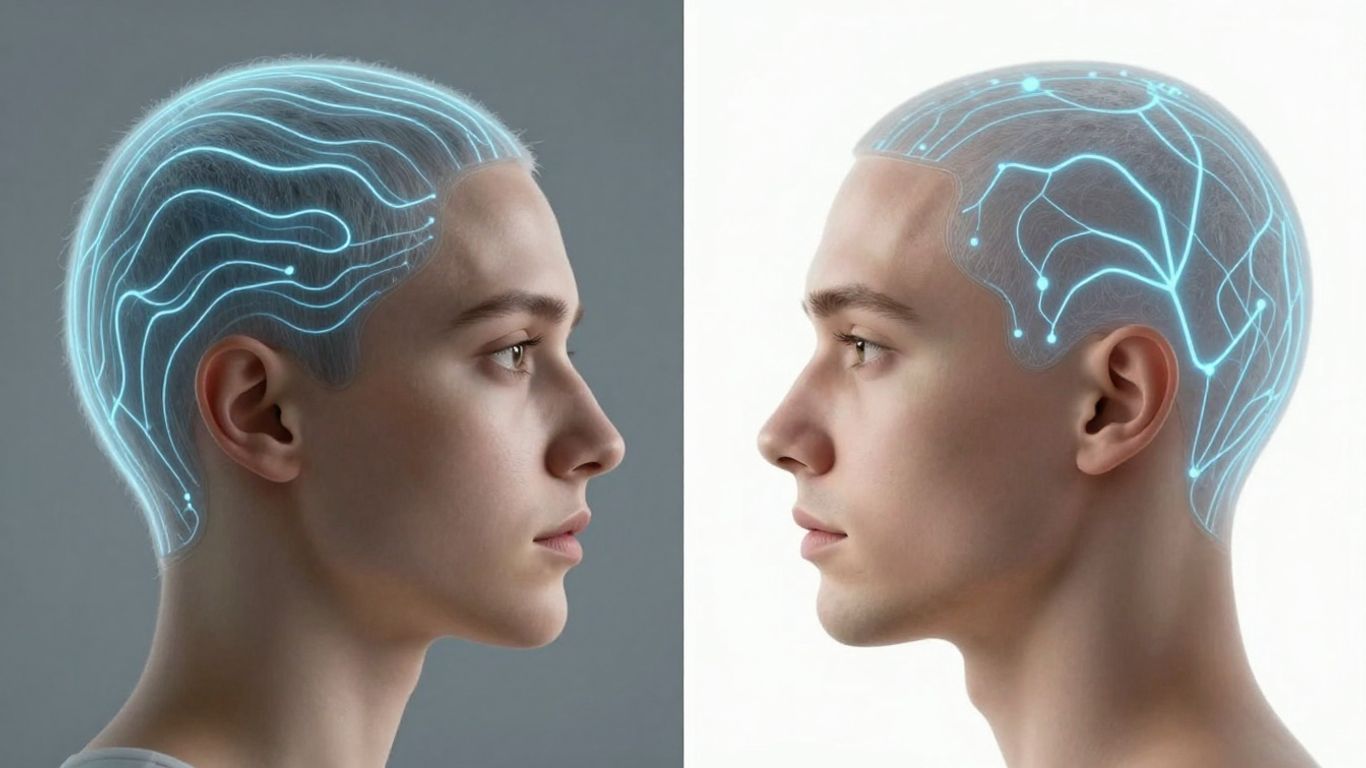
Brain with electrical currents and magnetic waves for TMS vs ECT.

TMS vs. ECT for Depression: A Comprehensive Comparison of Effectiveness and Side Effects

When you’re dealing with depression and nothing seems to be working, it’s natural to look into other options. Two treatments that often come up are TMS and ECT. They both aim to help your brain work better, but they go about it in very different ways. Figuring out which one might be right for you can feel like a big task, especially with all the information out there. We’re going to break down the tms vs ect for depression debate, looking at how they work, how well they help, and what side effects you might expect.

Key Takeaways

  • ECT has a long history of being very effective for severe depression, often providing quick relief. However, it involves inducing a seizure and requires anesthesia, which can lead to side effects like memory loss.
  • TMS uses magnetic pulses to stimulate specific brain areas and is non-invasive. It generally has fewer and milder side effects compared to ECT, with no need for anesthesia or hospitalization.
  • While both treatments can significantly improve depressive symptoms, TMS is often preferred for its lower risk profile and the absence of cognitive side effects like memory loss.
  • The choice between TMS and ECT often depends on the severity and urgency of the depression, as well as a person’s overall health and any pre-existing medical conditions.
  • ECT is typically considered for severe, urgent cases where other treatments have failed, while TMS is a strong option for persistent depression and for those who want to avoid the risks associated with ECT.

Understanding the Mechanisms of TMS vs. ECT

When we talk about treating depression, especially when other methods haven’t quite hit the mark, two treatments often come up: Transcranial Magnetic Stimulation (TMS) and Electroconvulsive Therapy (ECT). They both aim to help your brain work better, but they go about it in pretty different ways. It’s like having two different tools for the same job, each with its own strengths and how it gets things done.

How Transcranial Magnetic Stimulation Works

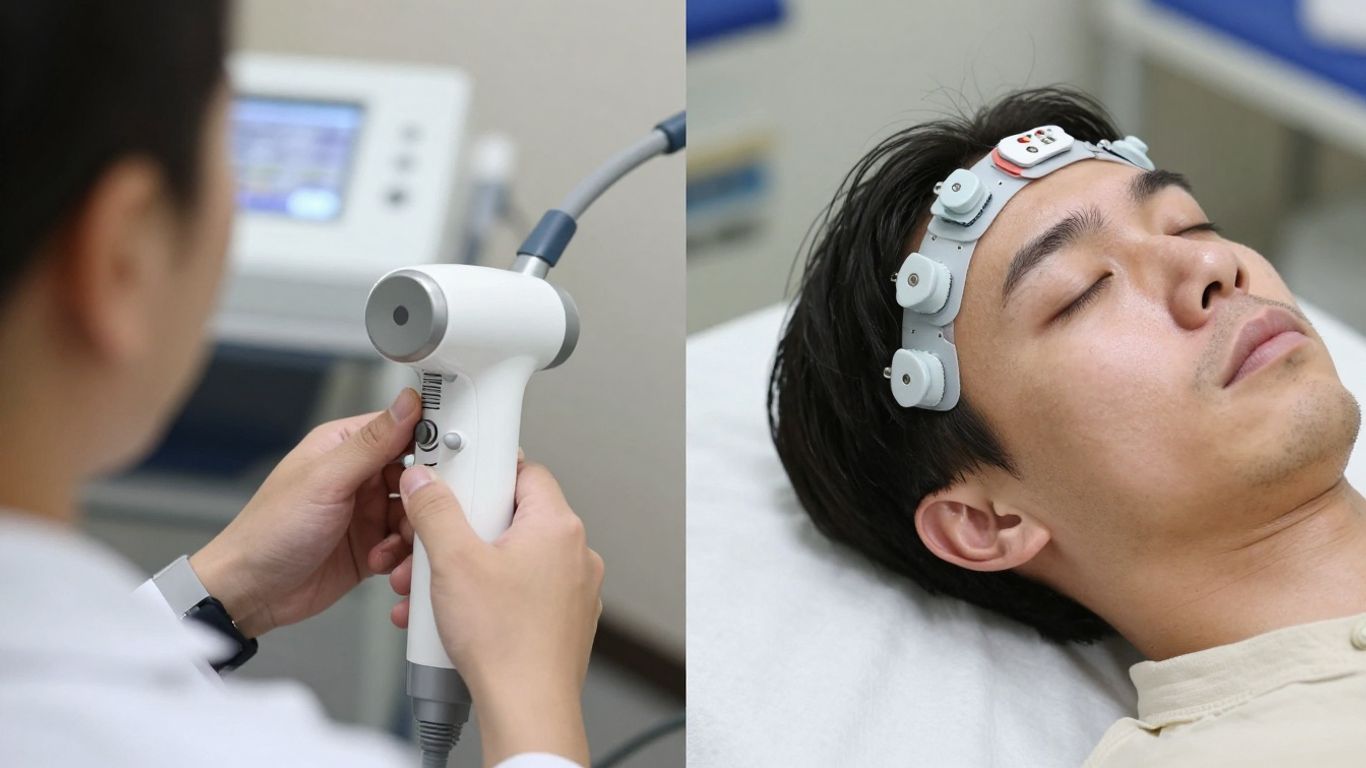
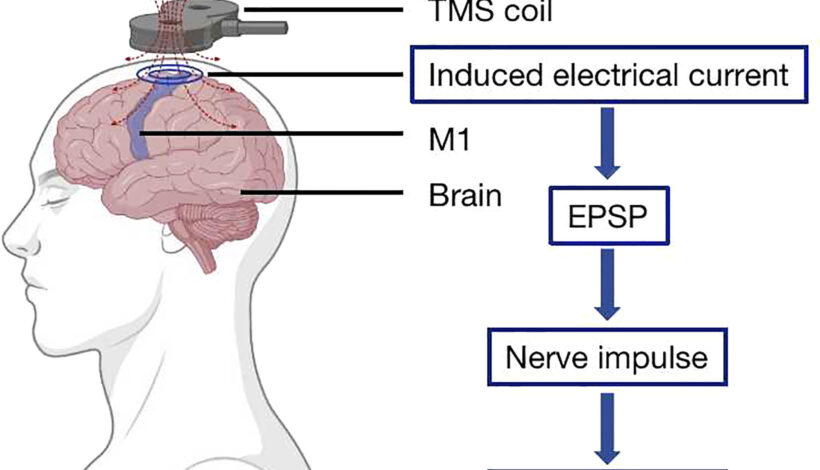
Think of TMS as a highly focused, gentle nudge for your brain. It uses magnetic pulses, kind of like what an MRI machine uses, to stimulate specific areas of your brain. The main target is usually the prefrontal cortex, a part that’s really important for regulating mood. These magnetic pulses are delivered through a special coil placed on your scalp. They’re designed to wake up nerve cells that might be a bit sluggish due to depression. The idea is to encourage healthier brain activity and help your brain build new connections, a process called neuroplasticity. It’s a non-invasive procedure, meaning nothing enters your body, and you stay awake the whole time. Most people find it pretty comfortable and can go right back to their day afterward.

The Process of Electroconvulsive Therapy

ECT, on the other hand, is a more involved procedure. It’s been around for a long time and has changed a lot since it was first introduced. In modern ECT, a patient is given anesthesia and a muscle relaxant. Then, small electrical currents are passed through the scalp to intentionally cause a brief, controlled seizure in the brain. This seizure activity is thought to cause changes in brain chemistry, releasing neurotransmitters that help regulate mood, like serotonin and dopamine. It also seems to improve how different parts of the brain communicate with each other. Because it affects a broader area of the brain and induces a seizure, it’s a more powerful intervention.

Comparing Brain Stimulation Approaches

So, how do these two stack up against each other in terms of how they work?

  • Targeting: TMS is very precise, focusing on specific brain regions. ECT affects a wider network of brain areas simultaneously.
  • Method: TMS uses magnetic pulses. ECT uses electrical currents to induce a seizure.
  • Patient State: TMS is done while the patient is awake and alert. ECT requires general anesthesia and muscle relaxants.
  • Invasiveness: TMS is non-invasive. ECT is considered an invasive procedure due to the induced seizure and need for anesthesia.

The core difference lies in their approach: TMS offers a targeted, non-invasive stimulation, while ECT provides a broader, seizure-induced brain chemistry reset. Both aim to correct abnormal brain activity associated with depression, but their mechanisms are distinct, leading to different patient experiences and potential side effect profiles.

It’s interesting to see how far we’ve come in understanding and treating the brain. Both TMS and ECT represent significant advancements, offering hope to people struggling with difficult-to-treat depression.

Evaluating Effectiveness for Depression

When considering treatments for depression, especially when other methods haven’t quite hit the mark, understanding how effective each option is becomes really important. Both Transcranial Magnetic Stimulation (TMS) and Electroconvulsive Therapy (ECT) have shown promise, but they work differently and have varying success rates depending on the individual and the severity of their depression.

ECT’s Historical Efficacy in Severe Depression

Electroconvulsive Therapy has a long history of being used for severe depression, and for good reason. It’s often seen as a powerful tool when other treatments just aren’t cutting it. Studies have shown that a significant number of patients see improvements fairly quickly, sometimes within the first week of treatment. For those with very severe symptoms, including those experiencing psychosis or having thoughts of self-harm, ECT can offer rapid relief.

  • High Response Rates: Many patients experience noticeable symptom reduction early on.
  • Severe Cases: Particularly effective for individuals with severe depression, psychosis, or suicidal ideation.
  • Remission: A good portion of patients achieve remission, meaning their symptoms significantly decrease or disappear.

While ECT has a strong track record, especially in urgent situations, it’s not always the first choice due to its nature and potential side effects. Careful consideration of the individual’s specific situation is key.

TMS Success Rates and Symptom Improvement

Transcranial Magnetic Stimulation offers a different approach, using magnetic pulses to stimulate specific areas of the brain involved in mood regulation. It’s a non-invasive option that has demonstrated effectiveness for many individuals struggling with depression, particularly those who haven’t found relief with medication alone. The improvements with TMS tend to build over time with consistent treatment sessions.

Treatment Type Typical Response Rate Time to Noticeable Improvement
TMS 50-70% 2-4 weeks
  • Gradual Improvement: Benefits often become apparent after several weeks of regular sessions.
  • Non-Responder Support: Can be effective for those who haven’t responded well to antidepressant medications.
  • Symptom Reduction: Leads to a decrease in depressive symptoms like low mood, lack of interest, and fatigue.

Comparing Long-Term Outcomes and Remission

When we look at how well these treatments work over the long haul, there are some differences to note. ECT can provide significant relief, but sometimes the effects might be more short-term, requiring maintenance sessions to keep symptoms at bay. Combining ECT with medication can help extend the period of symptom relief. TMS, on the other hand, aims to create lasting changes in brain activity, and many find that the benefits continue after the course of treatment is completed, though ongoing support might still be beneficial for some.

  • ECT Maintenance: May require follow-up sessions to sustain results.
  • TMS Durability: Often provides sustained improvement after the treatment course.
  • Combined Approaches: Using medication alongside either TMS or ECT can sometimes improve long-term outcomes.

Assessing Potential Side Effects

When considering any medical treatment, understanding the potential side effects is a big part of the decision-making process. Both TMS and ECT are designed to help with depression, but they do come with different sets of risks and discomforts. It’s not a one-size-fits-all situation, and what one person experiences might be quite different from another.

Cognitive and Memory Concerns with ECT

Electroconvulsive Therapy (ECT) is known to sometimes cause issues with memory and thinking. This is probably one of the most talked-about side effects. Patients might experience confusion right after a treatment session, which usually clears up pretty quickly. The bigger concern for many is memory loss. This can range from forgetting recent events to, in some cases, more persistent gaps in memory. While newer techniques like ultra-brief pulse ECT aim to reduce these effects, they remain a significant consideration.

  • Temporary confusion: Often resolves within minutes to hours post-treatment.
  • Memory loss: Can affect recent events or personal history. The duration and severity vary greatly.
  • Difficulty concentrating: Some individuals report temporary issues with focus.

The impact on memory and cognition is a primary concern for many considering ECT. While often temporary, the potential for lasting effects means careful discussion with a healthcare provider is necessary to weigh the benefits against these risks.

Common Side Effects of Transcranial Magnetic Stimulation

TMS generally has a much milder side effect profile compared to ECT. Most people tolerate it quite well. The most frequently reported issues are usually related to the treatment itself and tend to fade.

  • Headaches: These are fairly common, especially early in treatment, but often manageable with over-the-counter pain relievers.
  • Scalp discomfort or pain: Some people feel a tapping sensation or mild discomfort at the site where the magnetic coil is placed.
  • Facial muscle twitching: This can happen during the stimulation.

Unlike ECT, TMS does not typically cause confusion or significant memory problems. The risk of a seizure during TMS is extremely low, much lower than with ECT.

Comparing the Risk Profiles of Each Treatment

When you put them side-by-side, the differences in side effects are pretty clear. ECT, while often very effective for severe depression, carries more significant risks, particularly concerning cognitive function and the need for anesthesia. TMS, on the other hand, is non-invasive and generally associated with fewer and less severe side effects. This often makes it a more appealing option for individuals who are concerned about the potential downsides of ECT.

Side Effect Category ECT TMS
Cognitive Confusion, memory loss (potential) Generally none
Physical Headache, muscle ache, nausea, jaw pain Headache, scalp discomfort, facial twitching
Anesthesia-related Required, with associated risks Not required
Seizure Risk Present (though rare) Extremely rare (<0.01%)

Considering Invasiveness and Patient Experience

TMS and ECT comparison for depression treatment.

The Non-Invasive Nature of TMS

When we talk about treatments for depression, the idea of invasiveness can be a big deal for people. Transcranial Magnetic Stimulation, or TMS, really stands out here because it’s not invasive at all. You’re awake during the whole thing, and there’s no need for anesthesia or any kind of surgery. A special coil is placed on your head, and it uses magnetic pulses to stimulate specific parts of your brain. Think of it like a targeted zap of energy, but without any needles or scalpels. Most people can just go about their day right after a session, which is a huge plus if you’ve got a busy life.

The Invasive Procedure of ECT

Electroconvulsive Therapy, or ECT, is a different story. It’s considered an invasive procedure. Before an ECT session, you’re given general anesthesia, which means you’re put to sleep. Then, controlled electrical currents are passed through your scalp to trigger a brief, induced seizure in the brain. While this process can be very effective for severe depression, the fact that it requires anesthesia and induces a seizure makes it a more significant medical intervention.

Anesthesia Requirements and Hospitalization

The differences in invasiveness directly impact the patient experience, particularly concerning anesthesia and hospitalization. TMS typically doesn’t require any anesthesia, and sessions are usually done on an outpatient basis. You can drive yourself home afterward. ECT, on the other hand, necessitates general anesthesia and is usually performed in a hospital setting. Patients often need a recovery period after each session due to the anesthesia and the seizure itself. This means a longer commitment in terms of time spent at a medical facility and a more involved recovery process.

Here’s a quick look at how they stack up:

Feature TMS (Transcranial Magnetic Stimulation) ECT (Electroconvulsive Therapy)
Invasiveness Non-invasive Invasive
Anesthesia Not required General anesthesia required
Seizure Induction No Yes, controlled seizure induced
Hospitalization Typically outpatient Usually requires hospitalization
Recovery Time Minimal, can resume activities Requires recovery period after session

The patient experience is a major factor when choosing between TMS and ECT. TMS offers a gentler approach, allowing individuals to maintain their daily routines with minimal disruption. ECT, while powerful, involves a more significant medical procedure that requires careful management and recovery.

Some people might find the idea of a seizure, even a medically induced one, quite daunting. It’s natural to feel apprehensive about any procedure that involves being put to sleep and having your brain activity altered in such a direct way. TMS, by avoiding these elements, often feels more accessible and less intimidating for many individuals seeking relief from depression.

Determining Suitability Based on Depression Severity

Figuring out whether ECT or TMS is a better fit mostly depends on how severe the depression is and how urgently something needs to be done. Some folks need fast action, while others can take it a bit slower.

When ECT is Considered a Last Resort

ECT tends to be brought in when depression is at its worst. That means it’s reserved for cases where someone’s at risk of harming themselves, or nothing else—like meds or therapy—has helped. It’s often a last-ditch effort because of how quickly it can improve life-threatening symptoms.

  • Used in emergencies, such as with suicidal thoughts or refusal to eat/drink
  • Also considered for psychotic depression or severe, treatment-resistant episodes
  • Typically follows failed medication trials
Condition When ECT is Considered
Severe depression w/ suicide risk Immediate intervention needed
Psychotic depression When rapid symptoms change needed
Treatment-resistant depression After multiple failed therapies

ECT isn’t meant for everyday blue moods—it’s for the really tough cases that need fast relief.

TMS for Persistent Depression

TMS is often used for people who’ve tried antidepressants, but nothing seems to stick. The symptoms might not be an emergency, but they linger and get in the way of work, hobbies, and relationships. TMS rolls out slower, over several weeks, but can still make a difference for a lot of people.

  • Suitable if you’re stable enough to wait weeks for improvement
  • Useful when meds cause too many side effects or just don’t work
  • Non-invasive, so good fit for people who want to avoid anesthesia

Urgency of Intervention in Crisis Situations

In a crisis where someone is declining fast, doctors lean toward ECT because:

  1. It works quicker than TMS.
  2. It can break through stubborn symptoms, especially if a person can’t function.
  3. Delays in treatment could be dangerous to the patient.

On the other hand, if depression is dragging someone down but not crashing their whole life, TMS is an effective, lower-risk choice. It’s scheduled more flexibly and doesn’t require a hospital stay.

Severity/Emergency Preferred Treatment
Immediate, life-threatening ECT
Chronic, stable, non-emergency TMS

If you’re stuck deciding: try to think about the timeline, urgency, and what’s safest given any other health issues. And definitely talk to a doctor who knows the details of both.

Factors Influencing Treatment Choice

TMS and ECT treatment comparison for depression.

So, you’re trying to figure out if TMS or ECT is the way to go for depression. It’s a big decision, and honestly, it’s not a one-size-fits-all kind of thing. Your doctor will be the main guide here, but knowing some of the key differences can really help you understand what they’re talking about. It’s all about finding what fits you best.

Medical History and Contraindications

This is a huge one. Your past health matters a lot when deciding between these treatments. ECT needs general anesthesia, which can be risky if you have heart problems, have had a recent stroke, or have certain brain injuries. It’s just an extra layer of risk to consider. TMS, on the other hand, doesn’t use anesthesia, which is a big plus for many. However, TMS isn’t for everyone either. The magnetic pulses can interfere with metal implants near your head. So, things like pacemakers, aneurysm clips, or cochlear implants mean TMS might not be an option. Even dental fillings can sometimes be an issue, though usually not. A thorough check-up is super important to see if you’re a good candidate for either TMS therapy.

Lifestyle and Convenience Considerations

Think about your daily life. TMS usually involves daily sessions, five days a week, for several weeks. It’s a commitment, but you can often go about your day afterward. ECT, though, often requires a hospital stay for monitoring, especially during the initial treatment period. Plus, there’s a recovery time after each session. If you need to get back to work or your usual routine quickly, the shorter recovery time with TMS might be more appealing. It really depends on what your schedule and energy levels allow.

Cost and Insurance Coverage Differences

Let’s talk money. Generally, TMS tends to be more affordable than ECT, especially if you have insurance. Since TMS doesn’t require anesthesia or hospitalization, the overall costs can be lower. ECT, because of the anesthesia, hospital stays, and monitoring, usually racks up a higher bill. Insurance coverage can vary a lot for both, but it’s definitely something to look into with your provider. Sometimes, ECT might be covered for very severe cases where other options have failed, but it’s worth checking the specifics for your situation.

Making the right choice involves looking at the whole picture – your health, your life, and your budget. It’s a conversation you’ll have with your doctor, weighing the pros and cons of each approach to find the best path forward for your recovery.

Wrapping Things Up

So, we’ve looked at both TMS and ECT for tackling depression, especially when other methods haven’t quite cut it. ECT has a strong track record for being really effective, particularly for severe cases, but it does come with more significant side effects, like memory issues, and requires anesthesia. TMS, on the other hand, is non-invasive, generally has milder side effects, and doesn’t need anesthesia, making it a good choice for many. While both can bring relief, TMS often offers a gentler path with fewer risks. The best choice really depends on your specific situation, how severe your depression is, your overall health, and what you’re comfortable with. Talking it over with your doctor is the most important step to figure out which treatment makes the most sense for you.

Frequently Asked Questions

What’s the main difference between TMS and ECT?

Think of TMS like a gentle nudge for your brain using magnets, while ECT is a stronger treatment that involves a controlled seizure. TMS is done while you’re awake and doesn’t require anesthesia, making it less invasive and usually having fewer side effects. ECT is done under anesthesia and is typically used for more severe cases where other treatments haven’t worked.

How well do TMS and ECT work for depression?

Both treatments can be very effective. ECT has a long history of helping people with severe depression, sometimes very quickly. TMS also helps many people feel better, with studies showing good results in symptom improvement and even full recovery for some. The best one for you depends on your specific situation.

Are there side effects with TMS and ECT?

Yes, both can have side effects, but they’re usually different. ECT can sometimes cause memory problems or confusion, and people might feel sore afterward. TMS is known for having milder side effects, like a headache or discomfort at the treatment spot, but it generally doesn’t affect memory.

Which treatment is more invasive?

ECT is considered more invasive because it requires general anesthesia and involves inducing a brief seizure. TMS, on the other hand, is non-invasive. You stay awake during TMS treatment, and there’s no need for anesthesia or hospitalization.

When would a doctor suggest ECT over TMS?

Doctors might suggest ECT when someone’s depression is very severe and they need help quickly, especially if they are having thoughts of harming themselves. It’s often considered a last resort when other treatments haven’t been successful, due to its effectiveness but also its more significant side effects.

Can I still do my normal activities during treatment?

With TMS, most people can go back to their regular daily routines right after a session because it’s non-invasive and doesn’t require recovery time. ECT, however, requires a hospital stay and recovery time due to the anesthesia and the seizure, so you wouldn’t be able to do your normal activities immediately.

TMS (Transcranial Magnetic Stimulation): What It Is

TMS (Transcranial Magnetic Stimulation): What It Is

Transcranial magnetic stimulation is a pain-free, noninvasive treatment that uses magnetic pulses to trigger nerve cells in your brain. It may help manage conditions like depression, obsessive-compulsive disorder and certain types of migraine. Some types of TMS can also help reduce smoking for a short period. and may be used to treat other conditions as well.

TMS works by using a small coil placed on your head. It sends magnetic pulses into your brain. These pulses pass through your skull and create tiny electrical signals in your nerve cells underneath. Depending on the pulse pattern, TMS can help wake up underactive areas or calm overactive areas.

If you’ve tried other treatments without much success, your provider may consider TMS as the next step.

Types of TMS treatment

There are a few different ways you can get TMS. The main differences are in how the pulses are delivered, how long each session lasts and how deep the stimulation reaches in your brain:

  • Repetitive TMS (rTMS): It uses repeated magnetic pulses to the same spot on your head. Pulses can be slow or fast, depending on your treatment plan. Sessions often take 20 to 40 minutes.

  • Theta-burst stimulation (TBS or iTBS): It uses very quick bursts of pulses. Because it’s faster, sessions can take about three to 10 minutes.

  • Deep TMS (dTMS): It uses a special, helmet-like coil that can reach deeper brain circuits. It’s FDA-cleared for depression and OCD. One deep TMS approach is cleared to help with quitting smoking in the short term.

  • Accelerated TMS (aTMS): One well-known example is Stanford Neuromodulation Therapy (sometimes called the SAINT-style approach), an accelerated form of theta-burst stimulation delivered in several brief sessions per day for about five days in specialized settings. In 2025, the FDA also cleared an accelerated deep TMS protocol for major depressive disorder.

Your provider may recommend different types based on your symptoms and how your brain responds.

What conditions does TMS manage?

TMS may help when other treatments haven’t worked well. In the United States, the FDA cleared different TMS devices and protocols for:

  • Major depressive disorder (including treatment-resistant depression)

  • Migraine with aura (for acute migraine pain, using a handheld single-pulse TMS device)

  • Obsessive-compulsive disorder (OCD)

  • Quitting smoking (supporting short-term quitting with a deep TMS protocol)

Researchers are also studying TMS to see if it can help with other conditions, like:

  • Alzheimer’s disease

  • Bipolar disorder

  • Borderline personality disorder (BPD)

  • Chronic pain

  • Eating disorders

  • Essential tremor

  • Fibromyalgia

  • Generalized anxiety disorder

  • Parkinson’s disease

  • Post-traumatic stress disorder (PTSD)

  • Schizophrenia

  • Stroke complications

  • Substance use disorder

  • Tinnitus and auditory hallucinations

  • Traumatic brain injury

Who is a good candidate for TMS therapy?

TMS can be a helpful option if you haven’t had enough relief from other treatments, like medication or therapy. Many adults with depression or OCD benefit from it. It gives you another choice that doesn’t involve anesthesia or surgery.

Who isn’t a good candidate for TMS therapy?

TMS isn’t safe for everyone. It may not be a good fit if you have:

  • Metal or electronic implants in your head or neck: This includes cochlear implants, metal plates or certain clips or wires. The magnet used in TMS can move these devices and cause harm. Most metal in the rest of your body, like hip or knee replacements or dental fillings, is safe.

  • Non-removable metal near the area where the TMS coil is: This includes aneurysm clips or coils, implanted brain stimulators, cardiac pacemakers or defibrillators, stents or any metallic implants. It also includes shrapnel or foreign objects in your head or neck.

  • A history of seizures or epilepsy: TMS very rarely causes seizures. But the risk is higher if you already have a seizure disorder or take medications that increase seizure risk. Your provider may recommend adjusting your medicines or choosing another treatment.

Your provider will review your medical history. They’ll talk through any risks to decide whether TMS is right for you.

What happens before transcranial magnetic stimulation?

Before treatment, you’ll meet with your healthcare provider for a screening and exam.

Your provider will explain how TMS works and what you can expect during each session. You can eat and drink normally beforehand. And it helps to wear comfortable clothing.

For safety, your provider may recommend that someone drives you to and from your first appointment. Make this plan ahead of time.

What happens during TMS treatment?

The steps might vary slightly depending on the type and clinic where you get treatment. Here’s what you could expect:

  1. Getting ready: You’ll remove any metal items, like glasses with metal frames or jewelry. This keeps you safe around the magnet.
  2. Setting up the machine: You’ll sit in a reclining chair. The TMS machine has a coil your provider will place on your head. It may be inside a helmet or attached to an arm that your provider positions near you.
  3. Putting on hearing protection: Your provider will give you earplugs or headphones. The machine makes loud clicking sounds. This protects your ears.
  4. Positioning the coil: Your provider will place the coil or helmet on the right spot on your head. This depends on the condition you’re being treated for.
  5. Adjusting the settings: Before the session starts, your provider will send a few test pulses. You may feel tapping on your scalp or feel your hand or thumb twitch. This is normal and helps them set the correct strength.
  6. Beginning treatment: The machine will deliver repeated magnetic pulses. You’ll hear clicking sounds and feel light head tapping.
  7. Ending treatment: Your provider will turn off the machine and take the coil off your head. You can remove your hearing protection.

Depending on the type of TMS you’re getting, a session can last about three minutes up to around 40 minutes. Accelerated programs may include more than one session in a day.

TMS benefits

This treatment may help manage certain mental health conditions, especially when other therapies didn’t offer the right symptom relief.

Here are some possible benefits:

  • It’s noninvasive. TMS doesn’t involve surgery, needles or anesthesia. You’re awake the whole time. And you can go back to your day after the session.
  • It has a good safety record. Most side effects are mild and short-lasting, like scalp discomfort or a headache. Serious side effects, like seizures, are very rare.
  • It may ease symptoms. Many people notice improvements in depression, OCD or other conditions.
  • You can combine it with other treatments. TMS often works alongside medications and therapy. Using these together may improve overall results.
  • It offers another option. TMS may be an option when other treatments, like medications or ECT, aren’t recommended or haven’t helped enough.

Your provider will help you understand the benefits for your situation.

TMS treatment side effects

Most people don’t have side effects. If they do happen, they’re usually mild and improve quickly after each session. TMS doesn’t cause memory loss or problems with thinking.

Common side effects include:

  • Headache or scalp discomfort
  • Mild facial twitching

Seizures are the most severe side effect, but they’re very rare. Your provider will check your medical history and watch you during treatment to make sure you’re safe.

Recovery and Outlook

What happens after a TMS session?

After your session, you can go back to your normal day. If you have mild side effects, like a headache, your provider may ask you to rest for a few minutes before leaving. These symptoms usually fade quickly. You might notice condition improvement within a couple of weeks.

How long do I need TMS?

TMS usually requires a series of treatments. A common schedule is five days a week for four to six weeks (often about 30 to 36 sessions for depression-related protocols, though this can vary by device and diagnosis). Some accelerated programs deliver multiple short sessions per day over about five days. This can shorten the overall treatment timeline in certain centers.

Your provider will explain the plan that’s right for you. They’ll tell you how many sessions you’ll need and how long your treatment should last. Some people benefit from “maintenance” sessions or an additional short course later if symptoms return.

If you’ve been struggling with a mental health condition and haven’t found relief with other therapies, transcranial magnetic stimulation may be another option. It doesn’t require surgery or anesthesia, and you can return to your day right after a session.

The idea of using magnets on your head might sound a little sci-fi, but TMS is well-studied and FDA-approved. If you’re wondering whether it’s a good fit for you, your provider can explain the benefits, risks and what to expect. Small steps forward may make a big difference in how you feel each day.