
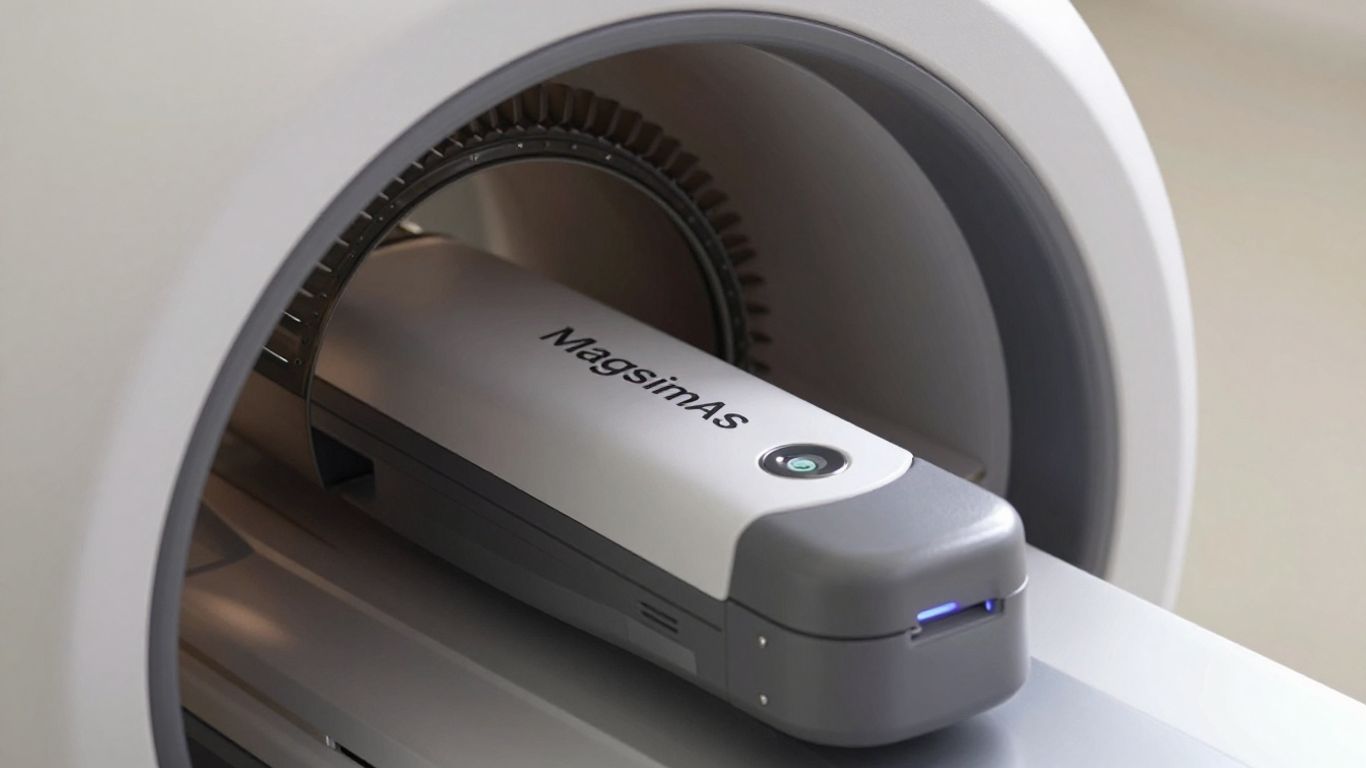
Thinking about brain stimulation? The magstim tms machine is a pretty big deal in this area. It uses magnetic pulses to help the brain, and it’s being used for everything from research to treating conditions like depression. It’s not some sci-fi gadget; it’s a real tool that’s changing how we approach brain health. Let’s take a look at what makes this magstim tms machine tick and what it can do.
Key Takeaways
- The magstim tms machine uses magnetic fields to non-invasively stimulate parts of the brain, offering a new way to treat brain conditions.
- It’s used for conditions like major depression and obsessive-compulsive disorder, with ongoing research into other uses.
- Magstim has developed advanced coil designs and faster treatment methods to make the process more precise and quicker.
- The technology is backed by a lot of research and is trusted by scientists and doctors around the world.
- When looking into treatment, it’s good to know what kind of magstim tms machine and coils a clinic uses, and how they check placement and track results.
Understanding the Magstim TMS Machine
The Science Behind Transcranial Magnetic Stimulation
Transcranial Magnetic Stimulation, or TMS, is a pretty neat way to interact with the brain without surgery. Basically, it uses magnetic pulses to wake up or calm down specific areas of your brain. Think of it like a targeted nudge. A coil is placed on your head, and it sends magnetic fields through your skull. These fields create small electrical currents in your brain cells, which can then change how those cells are firing. The intensity and pattern of these pulses are key to how TMS works. It’s not just a random zap; it’s a controlled way to influence brain activity.
Historical Context of TMS Technology
TMS isn’t exactly brand new, but its use in therapy has really taken off in recent years. Early research started back in the 1980s, with scientists exploring how magnetic pulses could affect the brain. For a long time, it was mostly a tool for researchers trying to map out brain functions. But as the technology got better and more studies showed its potential, it started moving into the clinic. Now, it’s become a recognized treatment for certain conditions, showing how far we’ve come from those initial experiments.
Core Principles of Magstim TMS Operation
Magstim’s machines work on a few main ideas. First, they use a special coil that generates a magnetic field. When this field is pulsed, it passes through your skull and makes electrical currents in the brain tissue underneath. The type of pulse matters a lot. For example, fast pulses (more than 1 Hz) tend to excite brain cells, while slow pulses (1 Hz or less) tend to quiet them down. This ability to either stimulate or inhibit specific brain regions is what makes TMS so versatile.
- Pulse Type: Single, paired, or repetitive pulses can be used.
- Frequency: The speed of the pulses determines the effect (excitatory or inhibitory).
- Coil Design: Different coils are shaped to target different brain areas more precisely.
The effectiveness of TMS hinges on getting the stimulation just right. This means not only hitting the correct spot in the brain but also using the right pulse strength, frequency, and pattern. It’s a bit like tuning a radio to get a clear signal; precision is everything for the best results.
Magstim TMS Machine: Clinical Applications
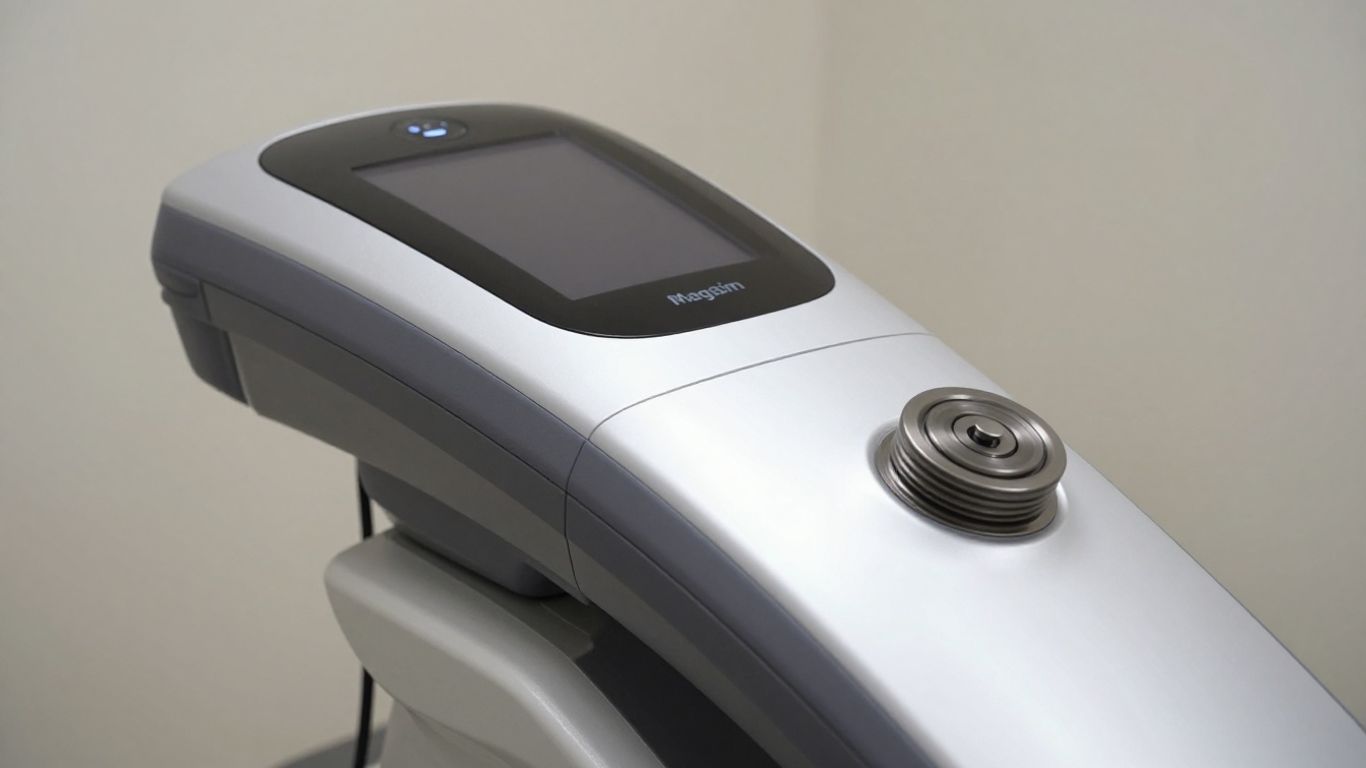
When we talk about Magstim TMS, it’s not just about the technology itself, but what it can actually do for people. This machine is really changing the game for a few specific conditions, offering a new path for those who haven’t found relief with other treatments. It’s pretty amazing to think about using magnetic pulses to help the brain work better.
Treating Major Depressive Disorder
Major Depressive Disorder (MDD) is one of the most well-known areas where TMS has made a big impact. For a long time, treatment options were limited, often involving medication or talk therapy, which don’t work for everyone. Magstim TMS provides a non-invasive way to stimulate parts of the brain that are thought to be underactive in depression. The FDA has cleared Magstim TMS for treating MDD, and it’s become a go-to option for many clinics.
Here’s a quick look at how it generally works for MDD:
- Targeting: The system focuses on specific brain regions, often the left dorsolateral prefrontal cortex (DLPFC), which is involved in mood regulation.
- Stimulation: Magnetic pulses are delivered in specific patterns to encourage nerve cells in that area to become more active.
- Dosage: The intensity and frequency of these pulses are carefully calibrated for each individual, often based on their unique motor threshold (MT). This is the minimum energy needed to cause a muscle twitch, and it helps personalize the treatment dose.
The process involves determining a patient’s motor threshold, which is the lowest energy level that causes a thumb twitch. This measurement is key to setting the right stimulation intensity, usually between 80-120% of that threshold. The coil is then placed about 5cm in front of where the motor threshold was found, targeting the DLPFC. Treatment sessions typically involve multiple trains of pulses, with specific frequencies and durations, all designed to be effective yet comfortable.
Addressing Obsessive Compulsive Disorder
Beyond depression, Magstim TMS is also showing promise for Obsessive Compulsive Disorder (OCD). OCD can be incredibly debilitating, with intrusive thoughts and compulsive behaviors that are hard to control. TMS offers a way to modulate the brain circuits involved in these symptoms.
- Different Targets: For OCD, the stimulation might target different brain areas than those used for depression, often involving circuits connecting the prefrontal cortex to deeper brain structures.
- Coil Types: Specialized coils, like H-coils, might be used to reach these deeper areas more effectively.
- Research Focus: While still an area of active research, the results so far suggest a significant therapeutic potential for individuals struggling with severe OCD.
Therapeutic Potential for Other Conditions
Magstim’s technology isn’t stopping at just depression and OCD. Researchers are actively exploring its use for a variety of other conditions. The flexibility of TMS means it can be adapted to target different brain networks associated with different disorders. Some of these areas include:
- Anxiety Disorders
- Post-Traumatic Stress Disorder (PTSD)
- Schizophrenia
- Bipolar Disorder
The ongoing research, as highlighted in publications like the January 2026 newsletter from Magstim EGI, continues to build the evidence base for these applications. As we learn more about brain function and how TMS can influence it, the list of conditions that might benefit from this technology is likely to grow. This expansion is a testament to the adaptability of Magstim TMS technology and its role in advancing neuromodulation.
Innovations in Magstim TMS Technology
Advanced Coil Designs for Precision
Magstim has really put a lot of thought into their magnetic coils. It’s not just about sending a pulse; it’s about sending it exactly where it needs to go. They’ve developed different types of coils, each with a specific job. For instance, the figure-of-eight coils are great for targeting areas closer to the surface of the brain, like the dorsolateral prefrontal cortex (DLPFC), which is a common target for depression treatment. Then there are H-coils, which are designed to reach a bit deeper into the brain structures. This variety means they can tailor the stimulation more precisely to the individual’s needs. It’s like having the right tool for every specific job, making the treatment more effective.
Accelerated TMS Protocols
One of the most exciting developments is how much faster TMS sessions can be now. Traditionally, a TMS session could take quite a while, but new protocols are changing that. Theta-burst stimulation (TBS) is a big one here. It delivers pulses in quick bursts, mimicking the brain’s natural activity. This can significantly cut down the time needed for a treatment session, sometimes from 30 minutes to just a few minutes. This is a game-changer for both patients and clinics, making TMS more accessible and easier to fit into a busy schedule. Some newer protocols are even more intensive, with multiple sessions per day, but studies show they can be done safely with proper precautions like ear protection.
Integrated Navigation and Safety Features
Magstim is also focusing on making the technology smarter and safer. Many of their newer systems come with integrated navigation. This helps the clinician pinpoint the exact spot on the head to apply the magnetic stimulation, session after session. It reduces guesswork and makes sure the treatment is consistent. They also build in safety checks and real-time feedback. This helps prevent errors and ensures the patient is comfortable and safe throughout the procedure. It’s all about making the technology user-friendly for the practitioner while maximizing the benefits for the patient.
The evolution of TMS technology is really about refining the delivery of stimulation. It’s moving beyond just applying a magnetic pulse to a more sophisticated process that considers the precise location, the pattern of stimulation, and the intensity. These advancements are key to improving treatment outcomes and making TMS a more reliable and accessible therapy.
Research and Development with Magstim
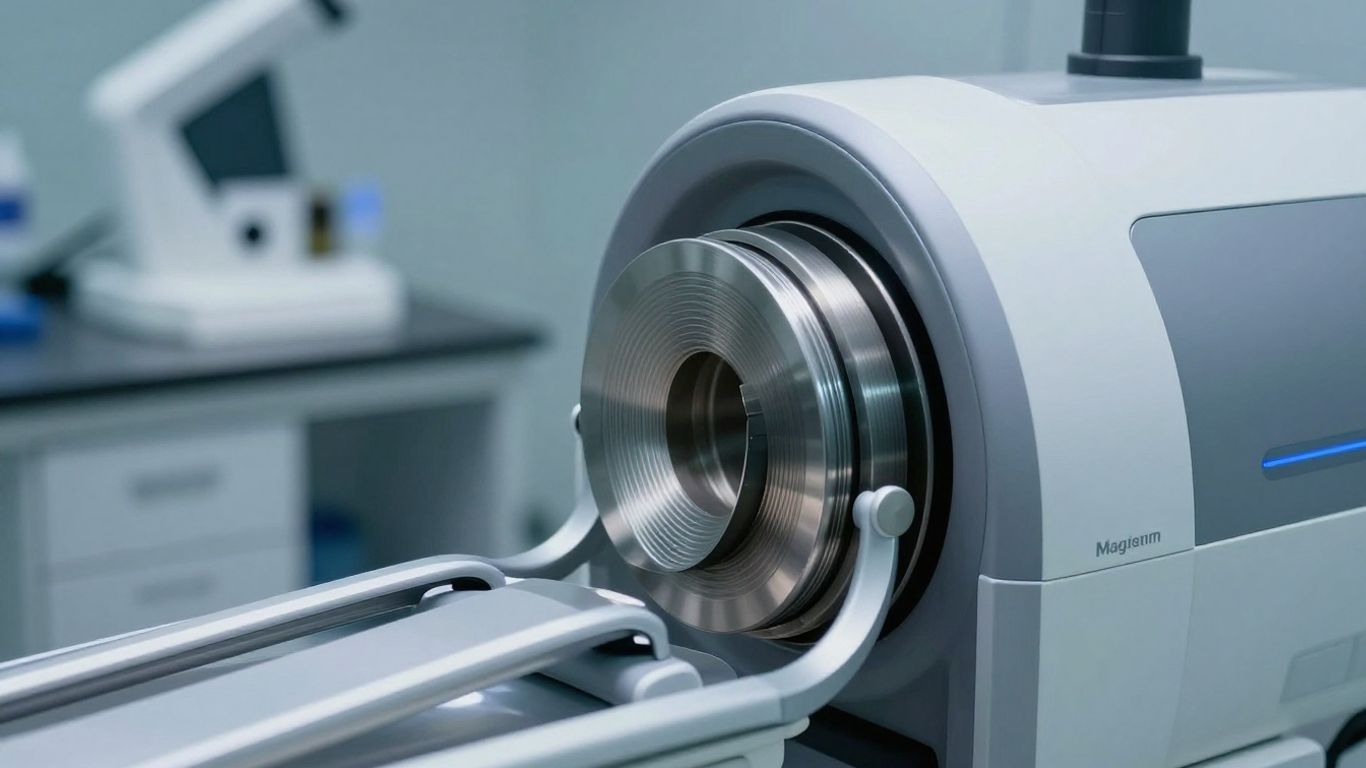
Empowering Neuroscience Discoveries
Magstim has been a quiet force behind many of the breakthroughs in understanding the human brain. For over 30 years, their Transcranial Magnetic Stimulation (TMS) systems have been a go-to tool for researchers worldwide. It’s not just about having the equipment; it’s about the reliability and precision that allows scientists to explore complex neural pathways and functions. Think of it like giving researchers a more detailed map and a better compass for navigating the brain’s intricate landscape. This dedication to advancing neuroscience research is evident in the sheer volume of published studies that rely on Magstim technology.
Evidence-Based Efficacy and Guidelines
When it comes to medical treatments, especially those involving the brain, solid evidence is everything. Magstim’s commitment to research means their systems are built on a foundation of scientific validation. International guidelines, like those published in Clinical Neurophysiology, often reference studies using TMS, and Magstim devices are frequently part of this evidence base. These guidelines help shape how TMS is used clinically, ensuring that treatments are effective and based on the best available data. It’s a cycle: research informs guidelines, and guidelines direct further research and clinical application.
- High-frequency left-DLPFC stimulation: Consistently shows strong efficacy for depression.
- Low-frequency right-DLPFC stimulation: Also rated as effective, often used in conjunction with other approaches.
- Theta-burst stimulation (TBS): Offers shorter treatment times, making it more accessible.
The effectiveness of TMS isn’t just about applying a magnetic pulse. It’s a nuanced process that requires the right intensity, a specific stimulation pattern, and accurate targeting of brain regions. Magstim’s technology is engineered to meet these precise requirements, which is key to achieving positive patient outcomes.
Global Trust and Citations
The true measure of a research tool’s impact is how often it’s used and cited by others. Magstim systems have accumulated over 20,000 clinical citations, a testament to their widespread adoption and the trust placed in them by the scientific community. This extensive citation count highlights the technology’s role in a vast array of studies, from basic neuroscience to clinical trials. It shows that researchers across the globe rely on Magstim to conduct their work, contributing to a collective growth in our understanding of the brain and its disorders.
Choosing and Using a Magstim TMS System
So, you’re looking into getting a Magstim TMS system for your practice or research. It’s a big step, and honestly, there’s a lot to consider. It’s not just about picking a machine off the shelf; it’s about finding the right fit for your specific needs. Making an informed decision now can save you a lot of headaches down the road.
Key Features of Magstim Stimulators
When you’re looking at Magstim stimulators, you’ll notice they come with a range of capabilities. Think about what you’ll be using it for most. Are you doing standard repetitive TMS (rTMS), or do you need paired-pulse capabilities? Some systems can handle both, plus Theta Burst Stimulation (TBS), which is a real time-saver. You’ll also want to check for features like integrated navigation, which helps with coil placement accuracy, and whether it includes an EMG measurement device for things like motor evoked potentials (MEPs). Patient data management is another big one – keeping track of treatments and outcomes is pretty important.
Here’s a quick rundown of what to look for:
- Stimulation Types: rTMS, Paired Pulse, Theta Burst
- Pulse Waveforms: Monophasic, Biphasic
- Integrated Features: Navigation, EMG measurement, Data Management
Variety of Magnetic Coil Options
Magstim doesn’t just make one type of coil; they have a whole lineup. The coil is what actually delivers the magnetic pulse to the brain, so its design matters a lot. For targeting specific spots on the brain’s surface, like the dorsolateral prefrontal cortex (DLPFC), a figure-of-eight coil is usually the go-to. It creates a pretty focused magnetic field. If you need to reach deeper into the brain, other coil designs might be more suitable. They also offer sham coils for placebo treatments, which is important for research studies. Comfort is a big factor too, and Magstim has coils designed with patient comfort in mind, some even with active cooling to keep things from getting too warm during longer sessions. You can find more details on integrating TMS into your practice in this guide psychiatric practices looking to incorporate.
Ensuring Patient Comfort and Safety
Patient comfort and safety are, of course, paramount. Magstim systems are designed with these in mind. The noise level during stimulation is a common concern, but with proper ear protection, it’s generally well within safe limits. The setup process is also designed to be straightforward, helping to maintain a calm and comfortable environment for the patient. When you’re choosing a clinic, it’s always a good idea to ask about the specific device and coil they use, how they verify coil placement for each session, and if they digitally track treatment details and outcomes. This transparency can make a big difference in how patients feel about their treatment.
The technology behind TMS has advanced significantly, making it more accessible and user-friendly for clinical settings. While the initial investment might seem substantial, the long-term benefits, including the ability to treat multiple conditions with a single system and minimal maintenance requirements, often make it a cost-effective choice for practices.
The Future of Neuromodulation with Magstim
Advancements in Portable TMS Devices
The next wave of brain stimulation is looking a lot more mobile. Magstim is pushing the envelope with the development of more compact and portable TMS devices. Imagine treatments that aren’t confined to a clinic room, allowing for greater flexibility for both patients and practitioners. This shift towards portability means that advanced neuromodulation could become more accessible, potentially reaching individuals in remote areas or those who find it difficult to travel regularly for treatment. It’s about bringing the therapy closer to where people live and work.
Expanding Therapeutic Armentarium
We’re seeing TMS move beyond its established uses. While its effectiveness for conditions like major depressive disorder is well-documented, research is continually uncovering new possibilities. Think about conditions that have historically been tough to treat with medication alone. Studies are exploring TMS for things like chronic pain, post-traumatic stress disorder, and even certain cognitive impairments. This expansion is a testament to the versatility of magnetic brain stimulation.
Here’s a look at some areas where TMS is showing promise:
- Neuropathic Pain: Targeting specific brain regions to modulate pain signals.
- Anxiety Disorders: Investigating protocols for generalized anxiety and panic disorder.
- Cognitive Rehabilitation: Exploring its use after stroke or in neurodegenerative diseases.
- Schizophrenia: Research into managing auditory hallucinations.
Transforming Lives Through Brain Stimulation
Ultimately, all these technological leaps and research findings boil down to one thing: making a real difference in people’s lives. The goal is to provide effective, non-invasive options for conditions that can be debilitating. By refining the technology and broadening its applications, Magstim is contributing to a future where more people can find relief and improve their quality of life through the power of brain stimulation. It’s a hopeful outlook for many who have struggled with traditional treatments.
The ongoing refinement of TMS technology, including more precise coil designs and accelerated protocols, is making treatments faster and more comfortable for patients. This focus on the patient experience is just as important as the scientific advancements.
Wrapping Up Our Look at Magstim TMS
So, we’ve taken a good look at the Magstim TMS machine and what it can do for brain stimulation. It’s pretty clear this technology is a big deal, not just for researchers trying to figure out how the brain works, but also for people looking for new ways to treat conditions like depression. The way it uses magnetic pulses to gently nudge brain activity is pretty neat, and it seems to be getting better and safer all the time. While it might seem complicated, the people making it are working to make it easier to use, which is good news for clinics and patients alike. It’s definitely an area to keep an eye on as it continues to grow and help more people.
Frequently Asked Questions
What exactly is Magstim TMS?
Magstim TMS, or Transcranial Magnetic Stimulation, is a cool technology that uses magnetic fields to gently wake up or calm down specific parts of your brain. Think of it like a targeted nudge for your brain cells without any surgery. It’s a safe way to help with certain brain-related issues.
How does TMS help with conditions like depression?
For conditions like depression, TMS can help by stimulating brain areas that aren’t as active as they should be. By sending these magnetic pulses, it encourages those brain areas to work better, which can lead to feeling better and less down.
Is TMS treatment comfortable?
Most people find TMS pretty comfortable. You’ll sit in a chair, and a special coil will be placed near your head. You might hear clicking sounds and feel a tapping sensation, but it’s generally well-tolerated. Wearing earplugs helps with the sound.
How long does a TMS session take?
A typical TMS session usually lasts between 20 to 40 minutes. It’s designed to fit into your day without taking up too much time. Some newer methods can even make sessions shorter!
Is Magstim TMS safe?
Yes, Magstim TMS is considered very safe. It’s been used for many years and has a good track record. The main side effect people might experience is a mild headache or discomfort at the treatment site, but these are usually temporary.
Who can benefit from Magstim TMS?
Magstim TMS is used to help people with conditions like major depression and obsessive-compulsive disorder. It’s also being studied for other brain-related challenges. If you’re struggling with one of these conditions, TMS might be a helpful option to discuss with your doctor.