Colorful foods for mood improvement on a kitchen counter.

Beyond Medication: Discover Foods That Help in Depression and Boost Your Mood

Feeling a bit down lately? It happens to everyone. While medication is an option, sometimes the simplest changes can make a big difference. We’re talking about what’s on your plate. Turns out, some foods can actually help lift your spirits and fight those blues. It’s not about drastic diets, but about making smart choices with foods that help in depression and boost your mood. Let’s explore some tasty options that can make you feel better, one bite at a time.

Key Takeaways

  • Fatty fish, flaxseeds, and walnuts are packed with omega-3s, which are good for brain health and can help improve mood.
  • Leafy greens and other vegetables provide folate and antioxidants, important for mental well-being, while fiber supports a healthy gut.
  • Fruits like berries and bananas offer antioxidants and compounds that can naturally boost serotonin, a feel-good chemical.
  • Lean proteins and healthy fats are vital for brain function, keeping you alert and focused.
  • Dark chocolate and sweet potatoes offer natural mood enhancers, like endorphin boosters and sustained energy sources.

Embrace Omega-3 Rich Foods For A Brighter Mood

Colorful foods for a brighter mood

The Brain-Boosting Power of Fatty Fish

When we talk about foods that can really make a difference for your mood, fatty fish often comes up. Think salmon, mackerel, sardines, and herring. These aren’t just tasty; they’re packed with omega-3 fatty acids, specifically EPA and DHA. Our brains are actually made up of a lot of fat, and these omega-3s are a big part of that. They play a role in how our brain cells communicate and can help keep inflammation in check, which is something scientists are increasingly linking to mood issues.

Studies have looked into this connection, and some suggest that getting enough omega-3s might help with symptoms of depression. It’s not a magic cure, of course, but it’s a piece of the puzzle. Eating fish a couple of times a week is a good way to get these beneficial fats into your diet. If fish isn’t your favorite, don’t worry, there are other ways to get similar benefits, which we’ll get to.

Incorporating Flaxseeds and Walnuts

Okay, so maybe you’re not a huge fan of fish, or perhaps you’re looking for more plant-based options. Good news! You can still get those helpful omega-3s, plus other good stuff, from seeds and nuts. Flaxseeds, for example, are a fantastic source. The trick with flaxseeds is to grind them up before you eat them. This helps your body actually absorb the nutrients. You can sprinkle ground flaxseeds on your yogurt, oatmeal, or add them to smoothies.

Walnuts are another star player. They not only contain omega-3s but also magnesium. Magnesium is one of those minerals that seems to be involved in making feel-good chemicals in your brain, like dopamine and serotonin. So, a handful of walnuts can be a great snack. It’s about finding simple ways to add these nutrient-dense foods into your daily routine. Even small changes can add up over time.

It’s easy to think of food as just fuel, but it’s so much more. The foods we choose can actually impact how we feel, both physically and mentally. Focusing on whole, nutrient-rich options is a way to support your overall well-being, including your mood.

Discover The Benefits Of Leafy Greens And Vegetables

Folate-Rich Greens to Elevate Your Spirits

When you’re feeling down, the last thing you might think about is a big salad. But those leafy greens are actually packed with nutrients that can make a real difference in your mood. One of the stars here is folate, also known as Vitamin B9. Low levels of folate have been linked to depression, so getting enough is pretty important. Think spinach, romaine lettuce, and even things like Brussels sprouts and asparagus. They’re like little mood boosters hiding in plain sight.

Antioxidant Powerhouses for Mental Well-being

Beyond folate, leafy greens are loaded with antioxidants. These compounds help protect your body from damage caused by unstable molecules called free radicals. While this is good for your whole body, it’s also thought to play a role in mental health. Some research suggests that inflammation in the body might be connected to feeling depressed, and antioxidants can help fight that inflammation. So, loading up on a variety of colorful greens isn’t just good for your physical health; it’s a smart move for your brain too.

Fiber’s Role in Supporting Gut Health and Mood

Let’s talk about fiber. Leafy greens are a great source of it, and fiber does more than just help with digestion. It feeds the good bacteria in your gut, which is a big deal for your overall well-being, including your mood. The connection between your gut and your brain, often called the gut-brain axis, is a hot topic in health research. A healthy gut microbiome can influence how you feel, and the fiber from greens helps keep that microbiome happy and balanced. It’s a bit of a cycle: good gut health can lead to a better mood, and eating fiber-rich foods like greens is a key part of that.

Here’s a quick look at some top leafy greens and their benefits:

  • Spinach: A fantastic source of folate and magnesium, which helps with feel-good brain chemicals.
  • Kale: Packed with vitamins and antioxidants, it’s a nutritional powerhouse.
  • Arugula: If you find plain greens a bit bland, arugula offers a peppery kick and still provides those important nutrients.
  • Romaine Lettuce: A lighter option, but still contributes to your daily intake of vitamins and minerals.

It’s easy to overlook simple foods like salads when we’re feeling low, but incorporating a variety of leafy greens into your daily meals can be a simple yet effective way to support your mental well-being from the inside out. Don’t underestimate the power of these humble vegetables.

Savor The Sweetness Of Mood-Enhancing Fruits

Berries: A Delicious Source of Antioxidants

When you’re feeling down, reaching for something sweet is natural. But instead of processed sugars that can lead to a crash, consider nature’s candy: berries. These little powerhouses are packed with antioxidants, which are like tiny bodyguards for your brain cells, protecting them from damage. Think blueberries, strawberries, raspberries – they’re not just tasty, they’re also loaded with compounds that can help fight inflammation, a known contributor to low moods. Plus, they have a lower sugar content compared to many other sweet treats, making them a smarter choice.

  • Blueberries: Often called a "superfood," they’re rich in anthocyanins, which give them their blue color and have strong antioxidant properties.
  • Strawberries: A good source of Vitamin C, which plays a role in brain function and can help reduce fatigue.
  • Raspberries: Offer a good amount of fiber, which is important for gut health, and also contain antioxidants.

Adding berries to your diet is a simple way to introduce more mood-supporting nutrients. You can toss them into your morning oatmeal, blend them into a smoothie, or just enjoy them by the handful. They’re a versatile and delicious way to give your mood a gentle lift.

Bananas and Their Serotonin-Boosting Properties

Bananas are more than just a convenient snack; they’re a natural mood booster. They contain tryptophan, an amino acid that your body converts into serotonin. Serotonin is often called the "feel-good" chemical because it plays a big part in regulating mood, sleep, and appetite. When serotonin levels are balanced, you tend to feel calmer and happier. Bananas also provide Vitamin B6, which helps with this conversion process, and natural sugars that offer a steady release of energy without the sharp spikes and dips you get from refined sweets.

The natural sweetness and satisfying texture of bananas make them a comforting food. They offer a gentle, sustained energy boost and contribute to the production of feel-good neurotransmitters, making them a smart choice when you need a little pick-me-up.

It’s pretty neat how a simple fruit can have such a direct impact on how we feel, right? They’re easy to find, easy to eat, and can be incorporated into so many different meals or enjoyed on their own. So next time you’re looking for a little something to brighten your day, don’t overlook the humble banana.

Nourish Your Brain With Quality Proteins And Healthy Fats

Lean Proteins for Alertness and Focus

Your brain needs a steady supply of protein throughout the day to keep you sharp and focused. Think of protein as the building blocks for neurotransmitters, those chemical messengers that play a big role in how you feel and think. When you don’t get enough, you might notice that foggy feeling or a general lack of get-up-and-go. It’s not just about feeling tired; it’s about your brain’s ability to do its job.

Good sources of protein include:

  • Eggs: A versatile and complete protein source.
  • Lean meats: Think chicken, turkey, or grass-fed beef.
  • Fish: Especially fatty fish, which also bring omega-3s to the table.
  • Legumes: Beans, lentils, and peas are great plant-based options.
  • Tofu and tempeh: Soy-based proteins that are easy to incorporate.

Getting enough quality protein helps your brain stay alert and focused, which can make a real difference in your daily mood.

The Essential Role of Healthy Fats in Brain Function

It might sound counterintuitive, but fat is actually super important for your brain. In fact, about 60% of your brain is made of fat! The kind of fat you eat matters a lot. Healthy fats are like the oil that keeps your brain’s machinery running smoothly. They help with cell structure, communication between brain cells, and even reduce inflammation.

When we cut out all fat, we often end up reaching for processed foods that are loaded with sugar, which can actually make us feel worse. Instead, focus on incorporating good fats into your meals. These can help your brain function better and contribute to a more stable mood.

Here are some great ways to get healthy fats:

  • Avocado: Creamy and full of monounsaturated fats.
  • Nuts and Seeds: Walnuts, almonds, chia seeds, and flaxseeds are packed with good stuff.
  • Olive Oil: Extra virgin olive oil is great for dressings and cooking.
  • Fatty Fish: Salmon, mackerel, and sardines are rich in omega-3s.

Focusing on whole, unprocessed foods that contain both quality proteins and healthy fats is a smart move for your brain and your overall well-being. It’s about giving your brain the fuel it needs to function at its best, which can have a positive ripple effect on your mood.

Explore The World Of Spices And Herbs

Turmeric and Black Pepper for Anti-Inflammatory Support

Think about your spice rack. It’s probably full of little jars, right? Many of those spices aren’t just for making food taste good; they can actually help your brain feel better. Turmeric, that bright yellow spice, is a big one. It has something called curcumin, which is known for fighting inflammation in the body. When your body is less inflamed, your mood can often improve. It’s not a magic bullet, though. You can’t just eat a pinch of turmeric once and expect to feel amazing. It’s more about making it a regular part of how you cook.

And here’s a little trick: turmeric works even better when you add black pepper. Black pepper has a compound called piperine, which helps your body absorb the curcumin from turmeric. So, when you’re making a curry or a soup, a little sprinkle of both can go a long way. It’s a simple way to add a health boost to your meals without changing much.

Spices That Enhance Natural Flavors and Mood

Beyond the anti-inflammatory benefits, spices are fantastic for making food more interesting. Sometimes, feeling down can make food seem bland, and that doesn’t help. Using spices can bring back the pleasure of eating. Think about cinnamon in your oatmeal, or a bit of ginger in your tea. These aren’t just flavors; they can add a little warmth and comfort.

It’s also about moving away from processed foods. When you cook with fresh ingredients and use spices, you’re getting more natural goodness. This kind of eating, focusing on whole foods and natural flavors, can really make a difference over time. It’s about building a better relationship with food, seeing it as something that nourishes you in more ways than one.

Here are a few ideas to get you started:

  • Cinnamon: Great in oatmeal, baked goods, or even sprinkled on coffee. It can add a touch of sweetness without sugar.
  • Ginger: Wonderful in teas, stir-fries, and marinades. It has a warming effect and a nice zing.
  • Cumin: Adds a savory depth to beans, meats, and vegetable dishes.
  • Paprika: Offers a mild, smoky flavor and a nice color to many meals.

Making small changes, like adding a new spice to your cooking routine or choosing whole foods over processed ones, can add up. It’s not about perfection, but about consistent effort to eat in a way that supports your well-being.

The Comfort Of Dark Chocolate And Sweet Potatoes

Dark chocolate and sweet potatoes for mood-boosting foods.

Sometimes, you just need something comforting, right? When you’re feeling down, reaching for a treat is natural. But what if those treats could actually help you feel better, instead of just offering a temporary fix? That’s where dark chocolate and sweet potatoes come in. They’re not just tasty; they pack a punch when it comes to lifting your mood.

Minimally Processed Cacao for Endorphin Release

Let’s talk about dark chocolate. Not the sugary candy bar kind, but the real deal – minimally processed cacao. This stuff is loaded with compounds that can actually make you feel good. Think of it as a little mood booster in every bite. It’s packed with antioxidants, and it can encourage your brain to release endorphins, those natural feel-good chemicals. Just a small amount, like a square or two a day, can make a difference. It’s best to look for organic, less processed options and maybe even try adding pure cacao powder to smoothies or baking with it. It’s about enjoying that rich flavor without all the extra sugar.

Complex Carbohydrates for Sustained Energy and Serotonin

Then there are sweet potatoes. They’re a fantastic source of complex carbohydrates, which means they give you steady energy without that awful sugar crash later. This sustained energy can help keep your mood more stable throughout the day. Plus, sweet potatoes have a special trick: they help your brain produce serotonin. Serotonin is a neurotransmitter that plays a big role in how we feel, and having enough of it is linked to better mood regulation. You can swap them for regular potatoes in savory dishes or even use them as a base for healthier desserts. They’re filling, nutritious, and surprisingly good for your mental well-being.

When you’re feeling low, the foods you choose can have a real impact. Opting for nutrient-dense, minimally processed options like dark chocolate and sweet potatoes can provide both immediate comfort and longer-term support for your mood. It’s about making choices that nourish your body and your mind.

Here’s a quick look at why these foods are great:

  • Dark Chocolate: Contains compounds that can trigger endorphin release and provides antioxidants.
  • Sweet Potatoes: Offer complex carbohydrates for sustained energy and help boost serotonin production.

It’s not about deprivation; it’s about smart choices that taste good and do good for your mood.

The Impact Of Gut Health On Your Mood

You know, it’s pretty wild how much is going on inside us that we don’t even think about. Turns out, our gut isn’t just for digesting food; it’s like a whole other brain, connected to our actual brain. This connection, called the gut-brain axis, means what happens in your stomach can really mess with or help your mood. Trillions of tiny bugs, the gut microbiome, live in there, and they talk to our brain. When these bugs are happy and balanced, it can make a difference in how we feel. It’s not just about feeling physically well; it’s about feeling mentally okay too.

Probiotic Foods for a Balanced Microbiome

So, how do we keep these gut bugs happy? Probiotic foods are a big part of that. These foods have live bacteria that are good for you. Think of them as tiny helpers for your gut. When you eat them regularly, they can help balance out the good and bad bacteria, which might lead to feeling better overall. Some studies have even shown that people who eat more probiotic foods tend to have lower scores for depression. It’s not a magic fix, but it’s a solid step.

Here are some easy ways to get more probiotics into your diet:

  • Yogurt: Look for ones that say "live and active cultures" on the label. Plain yogurt is usually best, and you can add your own fruit.
  • Kefir: This is a fermented milk drink, kind of like a thinner yogurt. It often has more strains of probiotics than yogurt.
  • Sauerkraut: Fermented cabbage. Make sure it’s the unpasteurized kind found in the refrigerated section, not the shelf-stable stuff.
  • Kimchi: A spicy Korean fermented cabbage dish. It’s got a kick and lots of good bacteria.
  • Kombucha: A fermented tea drink. It can be a bit fizzy and has a unique taste.

Fermented Foods and Their Mental Health Connections

Fermented foods are basically foods that have gone through a process where microorganisms break down sugars. This process creates those beneficial probiotics we just talked about. But it’s not just about the probiotics themselves. The fermentation process can also create other compounds that might be good for our brains. Some research suggests that the anti-inflammatory effects from these healthy gut bugs can actually help reduce symptoms of depression. It’s like a chain reaction: good gut health leads to a happier brain.

It’s becoming clearer that what we eat directly impacts our mental state. Focusing on foods that support a healthy gut microbiome is a practical way to take care of our mood from the inside out. It’s about building a strong foundation for mental well-being, one bite at a time.

It’s important to remember that while these foods can help, they are part of a bigger picture. A diet rich in fiber, omega-3s, and other nutrients works best. Cutting back on processed foods and sugars is also key. Think of it as a team effort for your brain and body.

Putting It All Together

So, we’ve talked about how what we eat can really make a difference when we’re feeling down. It’s not about completely ditching everything you love, but more about making smart swaps. Think adding more colorful fruits and veggies, some good fats, and lean proteins to your plate. It might take a little time to see big changes, maybe a few weeks or even a couple of months, but these small steps add up. Remember, this is just one piece of the puzzle when it comes to managing depression, and it’s always a good idea to chat with a doctor or a professional if you’re struggling. But hey, enjoying a delicious meal that also happens to be good for your brain? That’s a win-win.

Frequently Asked Questions

How long does it take to feel better after changing my diet?

It can take a little while for your body and mind to adjust. Some people might notice small changes in their energy or mood within a few days or weeks. But for the most part, you’ll likely see bigger, lasting improvements in your mental health after about 6 to 12 weeks of eating healthier. It really depends on you, the foods you add, and if your body was missing any important nutrients.

Are there foods that can make depression or anxiety worse?

Yes, definitely. Foods packed with sugar, refined carbs (like white bread or pastries), too much caffeine, and alcohol can often make anxiety and mood swings worse. They can also increase feelings of depression. Swapping these out for whole, natural foods can help keep your mood more steady.

Do foods with probiotics really help with mood and anxiety?

There’s more and more proof that probiotics found in foods like yogurt, kefir, or sauerkraut can be good for your gut. A healthy gut is linked to a better mood and less anxiety, thanks to something called the gut-brain connection. While it’s not a magic fix on its own, eating these foods can be a helpful part of a diet that supports your mental well-being.

How can doctors help patients stick to eating healthier?

Doctors can help by suggesting small, easy steps first, like adding just one healthy snack each day. They can also give out helpful lists for shopping or preparing food. Celebrating even small wins during appointments is important. It’s also useful to talk about what makes it hard to eat healthy, like cost or not knowing how to cook, and find solutions together.

What should people eat if they have food restrictions like being vegan or gluten-free?

Even with food rules like veganism or avoiding gluten, you can still eat well for your mood! Focus on whole, unprocessed foods. For vegans, this means plenty of fruits, vegetables, beans, lentils, nuts, and seeds. For those avoiding gluten, choose gluten-free whole grains like quinoa, brown rice, and oats (if tolerated), along with all the fruits, veggies, nuts, and seeds. The key is variety and choosing nutrient-dense options.

Can eating dark chocolate really boost my mood?

Yes, a little bit of dark chocolate can be a mood lifter! The key is to choose chocolate that has a high percentage of cacao (like 70% or more) and is minimally processed. Cacao contains compounds that can help release feel-good chemicals in your brain called endorphins. Just remember, a small amount, like a square or two a day, is usually enough to get the benefit without too much sugar.


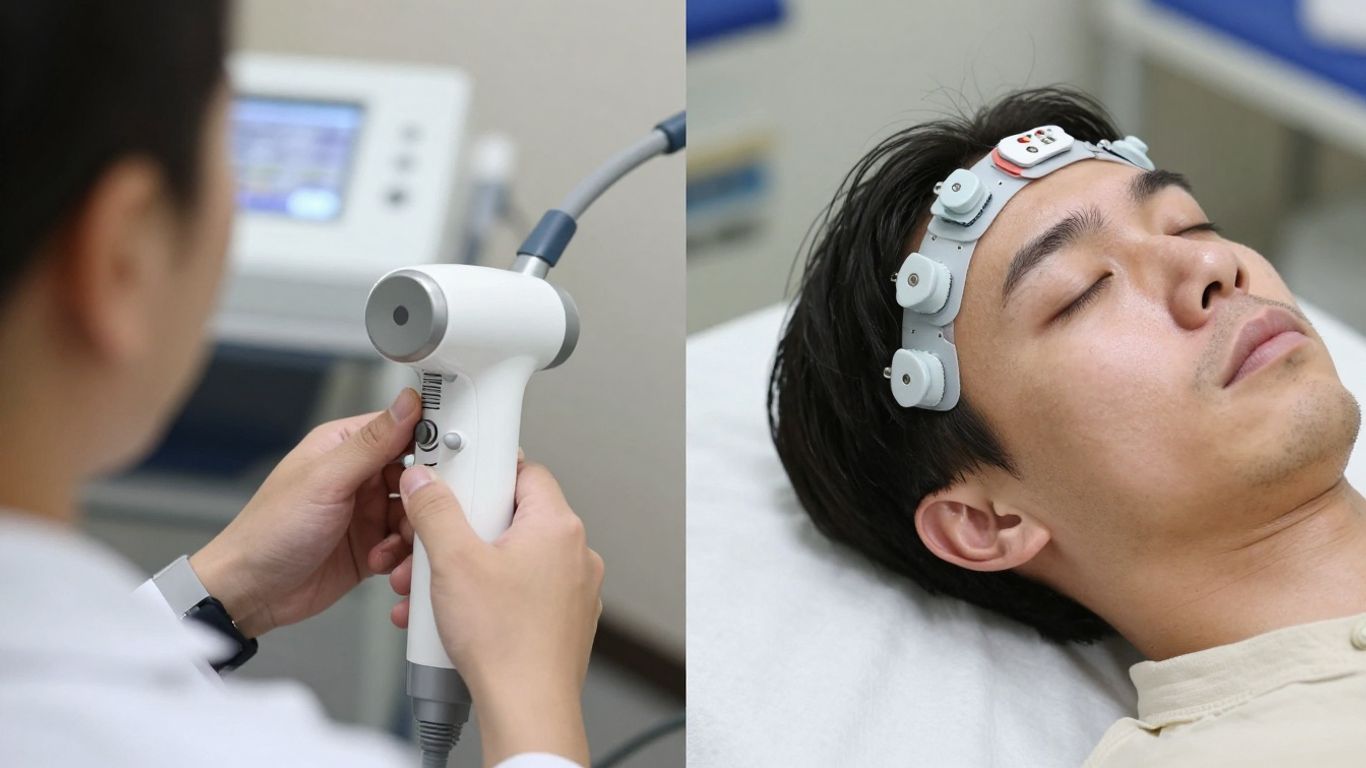
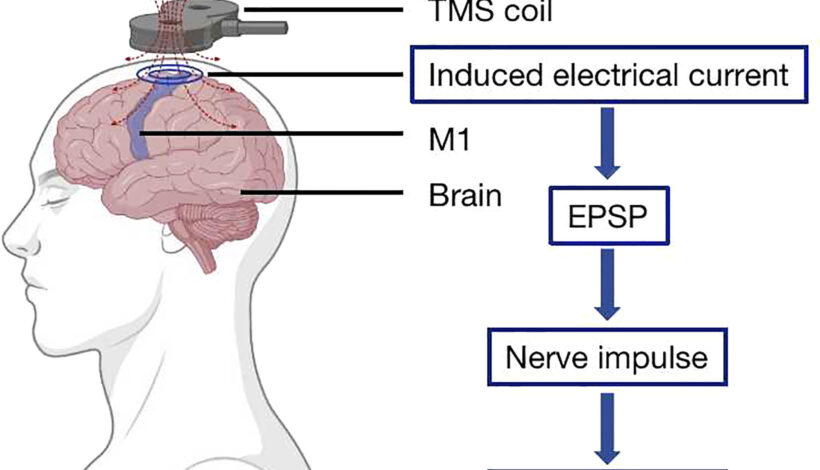
Brain with electrical currents and magnetic waves for TMS vs ECT.

TMS vs. ECT for Depression: A Comprehensive Comparison of Effectiveness and Side Effects

When you’re dealing with depression and nothing seems to be working, it’s natural to look into other options. Two treatments that often come up are TMS and ECT. They both aim to help your brain work better, but they go about it in very different ways. Figuring out which one might be right for you can feel like a big task, especially with all the information out there. We’re going to break down the tms vs ect for depression debate, looking at how they work, how well they help, and what side effects you might expect.

Key Takeaways

  • ECT has a long history of being very effective for severe depression, often providing quick relief. However, it involves inducing a seizure and requires anesthesia, which can lead to side effects like memory loss.
  • TMS uses magnetic pulses to stimulate specific brain areas and is non-invasive. It generally has fewer and milder side effects compared to ECT, with no need for anesthesia or hospitalization.
  • While both treatments can significantly improve depressive symptoms, TMS is often preferred for its lower risk profile and the absence of cognitive side effects like memory loss.
  • The choice between TMS and ECT often depends on the severity and urgency of the depression, as well as a person’s overall health and any pre-existing medical conditions.
  • ECT is typically considered for severe, urgent cases where other treatments have failed, while TMS is a strong option for persistent depression and for those who want to avoid the risks associated with ECT.

Understanding the Mechanisms of TMS vs. ECT

When we talk about treating depression, especially when other methods haven’t quite hit the mark, two treatments often come up: Transcranial Magnetic Stimulation (TMS) and Electroconvulsive Therapy (ECT). They both aim to help your brain work better, but they go about it in pretty different ways. It’s like having two different tools for the same job, each with its own strengths and how it gets things done.

How Transcranial Magnetic Stimulation Works

Think of TMS as a highly focused, gentle nudge for your brain. It uses magnetic pulses, kind of like what an MRI machine uses, to stimulate specific areas of your brain. The main target is usually the prefrontal cortex, a part that’s really important for regulating mood. These magnetic pulses are delivered through a special coil placed on your scalp. They’re designed to wake up nerve cells that might be a bit sluggish due to depression. The idea is to encourage healthier brain activity and help your brain build new connections, a process called neuroplasticity. It’s a non-invasive procedure, meaning nothing enters your body, and you stay awake the whole time. Most people find it pretty comfortable and can go right back to their day afterward.

The Process of Electroconvulsive Therapy

ECT, on the other hand, is a more involved procedure. It’s been around for a long time and has changed a lot since it was first introduced. In modern ECT, a patient is given anesthesia and a muscle relaxant. Then, small electrical currents are passed through the scalp to intentionally cause a brief, controlled seizure in the brain. This seizure activity is thought to cause changes in brain chemistry, releasing neurotransmitters that help regulate mood, like serotonin and dopamine. It also seems to improve how different parts of the brain communicate with each other. Because it affects a broader area of the brain and induces a seizure, it’s a more powerful intervention.

Comparing Brain Stimulation Approaches

So, how do these two stack up against each other in terms of how they work?

  • Targeting: TMS is very precise, focusing on specific brain regions. ECT affects a wider network of brain areas simultaneously.
  • Method: TMS uses magnetic pulses. ECT uses electrical currents to induce a seizure.
  • Patient State: TMS is done while the patient is awake and alert. ECT requires general anesthesia and muscle relaxants.
  • Invasiveness: TMS is non-invasive. ECT is considered an invasive procedure due to the induced seizure and need for anesthesia.

The core difference lies in their approach: TMS offers a targeted, non-invasive stimulation, while ECT provides a broader, seizure-induced brain chemistry reset. Both aim to correct abnormal brain activity associated with depression, but their mechanisms are distinct, leading to different patient experiences and potential side effect profiles.

It’s interesting to see how far we’ve come in understanding and treating the brain. Both TMS and ECT represent significant advancements, offering hope to people struggling with difficult-to-treat depression.

Evaluating Effectiveness for Depression

When considering treatments for depression, especially when other methods haven’t quite hit the mark, understanding how effective each option is becomes really important. Both Transcranial Magnetic Stimulation (TMS) and Electroconvulsive Therapy (ECT) have shown promise, but they work differently and have varying success rates depending on the individual and the severity of their depression.

ECT’s Historical Efficacy in Severe Depression

Electroconvulsive Therapy has a long history of being used for severe depression, and for good reason. It’s often seen as a powerful tool when other treatments just aren’t cutting it. Studies have shown that a significant number of patients see improvements fairly quickly, sometimes within the first week of treatment. For those with very severe symptoms, including those experiencing psychosis or having thoughts of self-harm, ECT can offer rapid relief.

  • High Response Rates: Many patients experience noticeable symptom reduction early on.
  • Severe Cases: Particularly effective for individuals with severe depression, psychosis, or suicidal ideation.
  • Remission: A good portion of patients achieve remission, meaning their symptoms significantly decrease or disappear.

While ECT has a strong track record, especially in urgent situations, it’s not always the first choice due to its nature and potential side effects. Careful consideration of the individual’s specific situation is key.

TMS Success Rates and Symptom Improvement

Transcranial Magnetic Stimulation offers a different approach, using magnetic pulses to stimulate specific areas of the brain involved in mood regulation. It’s a non-invasive option that has demonstrated effectiveness for many individuals struggling with depression, particularly those who haven’t found relief with medication alone. The improvements with TMS tend to build over time with consistent treatment sessions.

Treatment Type Typical Response Rate Time to Noticeable Improvement
TMS 50-70% 2-4 weeks
  • Gradual Improvement: Benefits often become apparent after several weeks of regular sessions.
  • Non-Responder Support: Can be effective for those who haven’t responded well to antidepressant medications.
  • Symptom Reduction: Leads to a decrease in depressive symptoms like low mood, lack of interest, and fatigue.

Comparing Long-Term Outcomes and Remission

When we look at how well these treatments work over the long haul, there are some differences to note. ECT can provide significant relief, but sometimes the effects might be more short-term, requiring maintenance sessions to keep symptoms at bay. Combining ECT with medication can help extend the period of symptom relief. TMS, on the other hand, aims to create lasting changes in brain activity, and many find that the benefits continue after the course of treatment is completed, though ongoing support might still be beneficial for some.

  • ECT Maintenance: May require follow-up sessions to sustain results.
  • TMS Durability: Often provides sustained improvement after the treatment course.
  • Combined Approaches: Using medication alongside either TMS or ECT can sometimes improve long-term outcomes.

Assessing Potential Side Effects

When considering any medical treatment, understanding the potential side effects is a big part of the decision-making process. Both TMS and ECT are designed to help with depression, but they do come with different sets of risks and discomforts. It’s not a one-size-fits-all situation, and what one person experiences might be quite different from another.

Cognitive and Memory Concerns with ECT

Electroconvulsive Therapy (ECT) is known to sometimes cause issues with memory and thinking. This is probably one of the most talked-about side effects. Patients might experience confusion right after a treatment session, which usually clears up pretty quickly. The bigger concern for many is memory loss. This can range from forgetting recent events to, in some cases, more persistent gaps in memory. While newer techniques like ultra-brief pulse ECT aim to reduce these effects, they remain a significant consideration.

  • Temporary confusion: Often resolves within minutes to hours post-treatment.
  • Memory loss: Can affect recent events or personal history. The duration and severity vary greatly.
  • Difficulty concentrating: Some individuals report temporary issues with focus.

The impact on memory and cognition is a primary concern for many considering ECT. While often temporary, the potential for lasting effects means careful discussion with a healthcare provider is necessary to weigh the benefits against these risks.

Common Side Effects of Transcranial Magnetic Stimulation

TMS generally has a much milder side effect profile compared to ECT. Most people tolerate it quite well. The most frequently reported issues are usually related to the treatment itself and tend to fade.

  • Headaches: These are fairly common, especially early in treatment, but often manageable with over-the-counter pain relievers.
  • Scalp discomfort or pain: Some people feel a tapping sensation or mild discomfort at the site where the magnetic coil is placed.
  • Facial muscle twitching: This can happen during the stimulation.

Unlike ECT, TMS does not typically cause confusion or significant memory problems. The risk of a seizure during TMS is extremely low, much lower than with ECT.

Comparing the Risk Profiles of Each Treatment

When you put them side-by-side, the differences in side effects are pretty clear. ECT, while often very effective for severe depression, carries more significant risks, particularly concerning cognitive function and the need for anesthesia. TMS, on the other hand, is non-invasive and generally associated with fewer and less severe side effects. This often makes it a more appealing option for individuals who are concerned about the potential downsides of ECT.

Side Effect Category ECT TMS
Cognitive Confusion, memory loss (potential) Generally none
Physical Headache, muscle ache, nausea, jaw pain Headache, scalp discomfort, facial twitching
Anesthesia-related Required, with associated risks Not required
Seizure Risk Present (though rare) Extremely rare (<0.01%)

Considering Invasiveness and Patient Experience

TMS and ECT comparison for depression treatment.

The Non-Invasive Nature of TMS

When we talk about treatments for depression, the idea of invasiveness can be a big deal for people. Transcranial Magnetic Stimulation, or TMS, really stands out here because it’s not invasive at all. You’re awake during the whole thing, and there’s no need for anesthesia or any kind of surgery. A special coil is placed on your head, and it uses magnetic pulses to stimulate specific parts of your brain. Think of it like a targeted zap of energy, but without any needles or scalpels. Most people can just go about their day right after a session, which is a huge plus if you’ve got a busy life.

The Invasive Procedure of ECT

Electroconvulsive Therapy, or ECT, is a different story. It’s considered an invasive procedure. Before an ECT session, you’re given general anesthesia, which means you’re put to sleep. Then, controlled electrical currents are passed through your scalp to trigger a brief, induced seizure in the brain. While this process can be very effective for severe depression, the fact that it requires anesthesia and induces a seizure makes it a more significant medical intervention.

Anesthesia Requirements and Hospitalization

The differences in invasiveness directly impact the patient experience, particularly concerning anesthesia and hospitalization. TMS typically doesn’t require any anesthesia, and sessions are usually done on an outpatient basis. You can drive yourself home afterward. ECT, on the other hand, necessitates general anesthesia and is usually performed in a hospital setting. Patients often need a recovery period after each session due to the anesthesia and the seizure itself. This means a longer commitment in terms of time spent at a medical facility and a more involved recovery process.

Here’s a quick look at how they stack up:

Feature TMS (Transcranial Magnetic Stimulation) ECT (Electroconvulsive Therapy)
Invasiveness Non-invasive Invasive
Anesthesia Not required General anesthesia required
Seizure Induction No Yes, controlled seizure induced
Hospitalization Typically outpatient Usually requires hospitalization
Recovery Time Minimal, can resume activities Requires recovery period after session

The patient experience is a major factor when choosing between TMS and ECT. TMS offers a gentler approach, allowing individuals to maintain their daily routines with minimal disruption. ECT, while powerful, involves a more significant medical procedure that requires careful management and recovery.

Some people might find the idea of a seizure, even a medically induced one, quite daunting. It’s natural to feel apprehensive about any procedure that involves being put to sleep and having your brain activity altered in such a direct way. TMS, by avoiding these elements, often feels more accessible and less intimidating for many individuals seeking relief from depression.

Determining Suitability Based on Depression Severity

Figuring out whether ECT or TMS is a better fit mostly depends on how severe the depression is and how urgently something needs to be done. Some folks need fast action, while others can take it a bit slower.

When ECT is Considered a Last Resort

ECT tends to be brought in when depression is at its worst. That means it’s reserved for cases where someone’s at risk of harming themselves, or nothing else—like meds or therapy—has helped. It’s often a last-ditch effort because of how quickly it can improve life-threatening symptoms.

  • Used in emergencies, such as with suicidal thoughts or refusal to eat/drink
  • Also considered for psychotic depression or severe, treatment-resistant episodes
  • Typically follows failed medication trials
Condition When ECT is Considered
Severe depression w/ suicide risk Immediate intervention needed
Psychotic depression When rapid symptoms change needed
Treatment-resistant depression After multiple failed therapies

ECT isn’t meant for everyday blue moods—it’s for the really tough cases that need fast relief.

TMS for Persistent Depression

TMS is often used for people who’ve tried antidepressants, but nothing seems to stick. The symptoms might not be an emergency, but they linger and get in the way of work, hobbies, and relationships. TMS rolls out slower, over several weeks, but can still make a difference for a lot of people.

  • Suitable if you’re stable enough to wait weeks for improvement
  • Useful when meds cause too many side effects or just don’t work
  • Non-invasive, so good fit for people who want to avoid anesthesia

Urgency of Intervention in Crisis Situations

In a crisis where someone is declining fast, doctors lean toward ECT because:

  1. It works quicker than TMS.
  2. It can break through stubborn symptoms, especially if a person can’t function.
  3. Delays in treatment could be dangerous to the patient.

On the other hand, if depression is dragging someone down but not crashing their whole life, TMS is an effective, lower-risk choice. It’s scheduled more flexibly and doesn’t require a hospital stay.

Severity/Emergency Preferred Treatment
Immediate, life-threatening ECT
Chronic, stable, non-emergency TMS

If you’re stuck deciding: try to think about the timeline, urgency, and what’s safest given any other health issues. And definitely talk to a doctor who knows the details of both.

Factors Influencing Treatment Choice

TMS and ECT treatment comparison for depression.

So, you’re trying to figure out if TMS or ECT is the way to go for depression. It’s a big decision, and honestly, it’s not a one-size-fits-all kind of thing. Your doctor will be the main guide here, but knowing some of the key differences can really help you understand what they’re talking about. It’s all about finding what fits you best.

Medical History and Contraindications

This is a huge one. Your past health matters a lot when deciding between these treatments. ECT needs general anesthesia, which can be risky if you have heart problems, have had a recent stroke, or have certain brain injuries. It’s just an extra layer of risk to consider. TMS, on the other hand, doesn’t use anesthesia, which is a big plus for many. However, TMS isn’t for everyone either. The magnetic pulses can interfere with metal implants near your head. So, things like pacemakers, aneurysm clips, or cochlear implants mean TMS might not be an option. Even dental fillings can sometimes be an issue, though usually not. A thorough check-up is super important to see if you’re a good candidate for either TMS therapy.

Lifestyle and Convenience Considerations

Think about your daily life. TMS usually involves daily sessions, five days a week, for several weeks. It’s a commitment, but you can often go about your day afterward. ECT, though, often requires a hospital stay for monitoring, especially during the initial treatment period. Plus, there’s a recovery time after each session. If you need to get back to work or your usual routine quickly, the shorter recovery time with TMS might be more appealing. It really depends on what your schedule and energy levels allow.

Cost and Insurance Coverage Differences

Let’s talk money. Generally, TMS tends to be more affordable than ECT, especially if you have insurance. Since TMS doesn’t require anesthesia or hospitalization, the overall costs can be lower. ECT, because of the anesthesia, hospital stays, and monitoring, usually racks up a higher bill. Insurance coverage can vary a lot for both, but it’s definitely something to look into with your provider. Sometimes, ECT might be covered for very severe cases where other options have failed, but it’s worth checking the specifics for your situation.

Making the right choice involves looking at the whole picture – your health, your life, and your budget. It’s a conversation you’ll have with your doctor, weighing the pros and cons of each approach to find the best path forward for your recovery.

Wrapping Things Up

So, we’ve looked at both TMS and ECT for tackling depression, especially when other methods haven’t quite cut it. ECT has a strong track record for being really effective, particularly for severe cases, but it does come with more significant side effects, like memory issues, and requires anesthesia. TMS, on the other hand, is non-invasive, generally has milder side effects, and doesn’t need anesthesia, making it a good choice for many. While both can bring relief, TMS often offers a gentler path with fewer risks. The best choice really depends on your specific situation, how severe your depression is, your overall health, and what you’re comfortable with. Talking it over with your doctor is the most important step to figure out which treatment makes the most sense for you.

Frequently Asked Questions

What’s the main difference between TMS and ECT?

Think of TMS like a gentle nudge for your brain using magnets, while ECT is a stronger treatment that involves a controlled seizure. TMS is done while you’re awake and doesn’t require anesthesia, making it less invasive and usually having fewer side effects. ECT is done under anesthesia and is typically used for more severe cases where other treatments haven’t worked.

How well do TMS and ECT work for depression?

Both treatments can be very effective. ECT has a long history of helping people with severe depression, sometimes very quickly. TMS also helps many people feel better, with studies showing good results in symptom improvement and even full recovery for some. The best one for you depends on your specific situation.

Are there side effects with TMS and ECT?

Yes, both can have side effects, but they’re usually different. ECT can sometimes cause memory problems or confusion, and people might feel sore afterward. TMS is known for having milder side effects, like a headache or discomfort at the treatment spot, but it generally doesn’t affect memory.

Which treatment is more invasive?

ECT is considered more invasive because it requires general anesthesia and involves inducing a brief seizure. TMS, on the other hand, is non-invasive. You stay awake during TMS treatment, and there’s no need for anesthesia or hospitalization.

When would a doctor suggest ECT over TMS?

Doctors might suggest ECT when someone’s depression is very severe and they need help quickly, especially if they are having thoughts of harming themselves. It’s often considered a last resort when other treatments haven’t been successful, due to its effectiveness but also its more significant side effects.

Can I still do my normal activities during treatment?

With TMS, most people can go back to their regular daily routines right after a session because it’s non-invasive and doesn’t require recovery time. ECT, however, requires a hospital stay and recovery time due to the anesthesia and the seizure, so you wouldn’t be able to do your normal activities immediately.

TMS (Transcranial Magnetic Stimulation): What It Is

TMS (Transcranial Magnetic Stimulation): What It Is

Transcranial magnetic stimulation is a pain-free, noninvasive treatment that uses magnetic pulses to trigger nerve cells in your brain. It may help manage conditions like depression, obsessive-compulsive disorder and certain types of migraine. Some types of TMS can also help reduce smoking for a short period. and may be used to treat other conditions as well.

TMS works by using a small coil placed on your head. It sends magnetic pulses into your brain. These pulses pass through your skull and create tiny electrical signals in your nerve cells underneath. Depending on the pulse pattern, TMS can help wake up underactive areas or calm overactive areas.

If you’ve tried other treatments without much success, your provider may consider TMS as the next step.

Types of TMS treatment

There are a few different ways you can get TMS. The main differences are in how the pulses are delivered, how long each session lasts and how deep the stimulation reaches in your brain:

  • Repetitive TMS (rTMS): It uses repeated magnetic pulses to the same spot on your head. Pulses can be slow or fast, depending on your treatment plan. Sessions often take 20 to 40 minutes.

  • Theta-burst stimulation (TBS or iTBS): It uses very quick bursts of pulses. Because it’s faster, sessions can take about three to 10 minutes.

  • Deep TMS (dTMS): It uses a special, helmet-like coil that can reach deeper brain circuits. It’s FDA-cleared for depression and OCD. One deep TMS approach is cleared to help with quitting smoking in the short term.

  • Accelerated TMS (aTMS): One well-known example is Stanford Neuromodulation Therapy (sometimes called the SAINT-style approach), an accelerated form of theta-burst stimulation delivered in several brief sessions per day for about five days in specialized settings. In 2025, the FDA also cleared an accelerated deep TMS protocol for major depressive disorder.

Your provider may recommend different types based on your symptoms and how your brain responds.

What conditions does TMS manage?

TMS may help when other treatments haven’t worked well. In the United States, the FDA cleared different TMS devices and protocols for:

  • Major depressive disorder (including treatment-resistant depression)

  • Migraine with aura (for acute migraine pain, using a handheld single-pulse TMS device)

  • Obsessive-compulsive disorder (OCD)

  • Quitting smoking (supporting short-term quitting with a deep TMS protocol)

Researchers are also studying TMS to see if it can help with other conditions, like:

  • Alzheimer’s disease

  • Bipolar disorder

  • Borderline personality disorder (BPD)

  • Chronic pain

  • Eating disorders

  • Essential tremor

  • Fibromyalgia

  • Generalized anxiety disorder

  • Parkinson’s disease

  • Post-traumatic stress disorder (PTSD)

  • Schizophrenia

  • Stroke complications

  • Substance use disorder

  • Tinnitus and auditory hallucinations

  • Traumatic brain injury

Who is a good candidate for TMS therapy?

TMS can be a helpful option if you haven’t had enough relief from other treatments, like medication or therapy. Many adults with depression or OCD benefit from it. It gives you another choice that doesn’t involve anesthesia or surgery.

Who isn’t a good candidate for TMS therapy?

TMS isn’t safe for everyone. It may not be a good fit if you have:

  • Metal or electronic implants in your head or neck: This includes cochlear implants, metal plates or certain clips or wires. The magnet used in TMS can move these devices and cause harm. Most metal in the rest of your body, like hip or knee replacements or dental fillings, is safe.

  • Non-removable metal near the area where the TMS coil is: This includes aneurysm clips or coils, implanted brain stimulators, cardiac pacemakers or defibrillators, stents or any metallic implants. It also includes shrapnel or foreign objects in your head or neck.

  • A history of seizures or epilepsy: TMS very rarely causes seizures. But the risk is higher if you already have a seizure disorder or take medications that increase seizure risk. Your provider may recommend adjusting your medicines or choosing another treatment.

Your provider will review your medical history. They’ll talk through any risks to decide whether TMS is right for you.

What happens before transcranial magnetic stimulation?

Before treatment, you’ll meet with your healthcare provider for a screening and exam.

Your provider will explain how TMS works and what you can expect during each session. You can eat and drink normally beforehand. And it helps to wear comfortable clothing.

For safety, your provider may recommend that someone drives you to and from your first appointment. Make this plan ahead of time.

What happens during TMS treatment?

The steps might vary slightly depending on the type and clinic where you get treatment. Here’s what you could expect:

  1. Getting ready: You’ll remove any metal items, like glasses with metal frames or jewelry. This keeps you safe around the magnet.
  2. Setting up the machine: You’ll sit in a reclining chair. The TMS machine has a coil your provider will place on your head. It may be inside a helmet or attached to an arm that your provider positions near you.
  3. Putting on hearing protection: Your provider will give you earplugs or headphones. The machine makes loud clicking sounds. This protects your ears.
  4. Positioning the coil: Your provider will place the coil or helmet on the right spot on your head. This depends on the condition you’re being treated for.
  5. Adjusting the settings: Before the session starts, your provider will send a few test pulses. You may feel tapping on your scalp or feel your hand or thumb twitch. This is normal and helps them set the correct strength.
  6. Beginning treatment: The machine will deliver repeated magnetic pulses. You’ll hear clicking sounds and feel light head tapping.
  7. Ending treatment: Your provider will turn off the machine and take the coil off your head. You can remove your hearing protection.

Depending on the type of TMS you’re getting, a session can last about three minutes up to around 40 minutes. Accelerated programs may include more than one session in a day.

TMS benefits

This treatment may help manage certain mental health conditions, especially when other therapies didn’t offer the right symptom relief.

Here are some possible benefits:

  • It’s noninvasive. TMS doesn’t involve surgery, needles or anesthesia. You’re awake the whole time. And you can go back to your day after the session.
  • It has a good safety record. Most side effects are mild and short-lasting, like scalp discomfort or a headache. Serious side effects, like seizures, are very rare.
  • It may ease symptoms. Many people notice improvements in depression, OCD or other conditions.
  • You can combine it with other treatments. TMS often works alongside medications and therapy. Using these together may improve overall results.
  • It offers another option. TMS may be an option when other treatments, like medications or ECT, aren’t recommended or haven’t helped enough.

Your provider will help you understand the benefits for your situation.

TMS treatment side effects

Most people don’t have side effects. If they do happen, they’re usually mild and improve quickly after each session. TMS doesn’t cause memory loss or problems with thinking.

Common side effects include:

  • Headache or scalp discomfort
  • Mild facial twitching

Seizures are the most severe side effect, but they’re very rare. Your provider will check your medical history and watch you during treatment to make sure you’re safe.

Recovery and Outlook

What happens after a TMS session?

After your session, you can go back to your normal day. If you have mild side effects, like a headache, your provider may ask you to rest for a few minutes before leaving. These symptoms usually fade quickly. You might notice condition improvement within a couple of weeks.

How long do I need TMS?

TMS usually requires a series of treatments. A common schedule is five days a week for four to six weeks (often about 30 to 36 sessions for depression-related protocols, though this can vary by device and diagnosis). Some accelerated programs deliver multiple short sessions per day over about five days. This can shorten the overall treatment timeline in certain centers.

Your provider will explain the plan that’s right for you. They’ll tell you how many sessions you’ll need and how long your treatment should last. Some people benefit from “maintenance” sessions or an additional short course later if symptoms return.

If you’ve been struggling with a mental health condition and haven’t found relief with other therapies, transcranial magnetic stimulation may be another option. It doesn’t require surgery or anesthesia, and you can return to your day right after a session.

The idea of using magnets on your head might sound a little sci-fi, but TMS is well-studied and FDA-approved. If you’re wondering whether it’s a good fit for you, your provider can explain the benefits, risks and what to expect. Small steps forward may make a big difference in how you feel each day.

Mastering VA TMS: Comprehensive Answers and Key Insights

Mastering VA TMS: Comprehensive Answers and Key Insights

So, you’re looking to get a handle on VA TMS, huh? It’s one of those things that sounds complicated, but once you break it down, it’s actually pretty manageable. We’re going to cover the basics, talk about how to make it work for you, and even look at what’s coming next. Think of this as your cheat sheet to understanding VA TMS answers and making the most of your transportation management. Let’s get started.

Key Takeaways

  • Understanding the core parts of a Transportation Management System (TMS) and why using one is a good idea helps a lot.
  • Getting your data organized and automating tasks are big steps for making your VA TMS work better.
  • Keeping an eye on how things are going with performance metrics and checking up on carriers is important.
  • Dealing with changing prices and fixing mistakes from manual work are common issues, but there are ways to handle them.
  • New tech like AI and cloud systems are changing how we do transportation management, making things more connected and smarter.

Understanding VA TMS Answers

Hands holding tablet with VA TMS data.

So, you’re looking into Transportation Management Systems (TMS) for your VA operations, huh? It’s a big topic, and honestly, it can feel a bit overwhelming at first. Think of a TMS as the central brain for all your shipping and receiving. It helps you plan, execute, and keep an eye on how goods move from point A to point B. It’s not just about booking trucks; it’s about making sure everything runs smoothly, on time, and without costing an arm and a leg.

Core Components of Transportation Management Systems

At its heart, a TMS is built on a few key pieces. You’ve got the planning tools, which help you figure out the best way to ship things – like which carrier to use, what route to take, and how to pack it all efficiently. Then there’s the execution side, where you actually book the shipments, create the paperwork, and track the loads as they move. Finally, there’s the management and reporting part, where you look at all the data to see how things went, check invoices, and find ways to do better next time.

  • Load Planning: Deciding how to group shipments and which transport mode is best.
  • Carrier Management: Keeping track of your carriers, their rates, and their performance.
  • Shipment Execution: Booking loads, generating bills of lading, and sending shipment details.
  • Freight Audit & Payment: Checking carrier invoices against what you agreed upon.
  • Reporting & Analytics: Getting insights into your shipping costs and efficiency.

Key Benefits of Implementing a TMS

Why bother with a TMS? Well, the payoff can be pretty significant. For starters, you can usually cut down on your shipping costs. By planning better and using your carriers more effectively, you save money. It also makes things faster and more reliable. When you know where your shipments are and have a solid plan, fewer things go wrong. Plus, having all your shipping information in one place makes life a lot easier for your team.

A well-implemented TMS can transform how a VA facility handles its logistics. It moves operations from reactive problem-solving to proactive, data-driven decision-making, which is a game-changer for efficiency and cost control.

Navigating TMS Data Complexity

Now, about that data. TMS systems churn out a lot of information, and it can get messy fast. You’ve got data on routes, carriers, costs, delivery times, shipment volumes, and so much more. The trick is to organize it so you can actually use it. This means having clear ways to input data, making sure it’s accurate, and setting up reports that show you what you need to know without drowning you in numbers. It’s like sorting through a giant pile of mail – you need a system to find what’s important.

Here’s a quick look at the types of data you’ll be dealing with:

  1. Shipment Details: Origin, destination, weight, dimensions, contents.
  2. Carrier Information: Names, contact details, service areas, contract rates.
  3. Cost Data: Freight charges, accessorial fees, fuel surcharges.
  4. Performance Metrics: On-time pickup/delivery rates, transit times, damage claims.
  5. Compliance Information: Hazardous material declarations, customs documentation.

Best Practices for VA TMS Implementation

Getting a Transportation Management System (TMS) up and running smoothly is key to making your logistics operations work better. It’s not just about buying software; it’s about how you set it up and use it. Think of it like building a house – you need a solid plan and good materials.

Centralized Data Management Strategies

One of the biggest wins with a TMS is getting all your transportation information in one place. Instead of having data scattered across spreadsheets, emails, and different systems, a TMS brings it together. This makes it way easier to see the whole picture.

  • Define clear data standards: Everyone needs to agree on how information is entered. This means consistent naming conventions for locations, carriers, and shipment types.
  • Integrate with existing systems: Connect your TMS to your accounting software, warehouse management system, or ERP. This cuts down on double-entry and makes sure data flows correctly.
  • Regular data cleansing: Periodically review your data for errors or outdated information. It’s like tidying up your digital filing cabinet.

Having a single source of truth for all your transportation data means fewer mistakes and better decisions. It’s the foundation for everything else you’ll do with the system.

Automating Key Transportation Processes

Manual tasks in transportation can be a real drag. Think about things like processing invoices, tracking shipments, or scheduling pickups. A TMS can take a lot of that off your plate.

  • Automated Invoice Auditing: The system can automatically check carrier invoices against agreed-upon rates and shipment details, flagging discrepancies right away. This saves a ton of time and catches billing errors.
  • Automated Shipment Tendering: You can set up rules for automatically offering loads to carriers based on price, performance, or lane.
  • Automated Status Updates: The TMS can pull tracking information from carriers, so you and your customers always know where shipments are without constant manual checks.

Leveraging Technological Integration

Your TMS doesn’t have to work in a silo. Connecting it with other technologies can really boost its power.

  • API Connections: Use Application Programming Interfaces (APIs) to link your TMS with carrier systems for real-time rates and booking, or with customer portals for visibility.
  • Telematics and IoT Devices: Integrate data from GPS trackers or sensors on trucks and trailers. This gives you live location data, driver behavior insights, and even information about cargo conditions.
  • Analytics Tools: Connect your TMS data to business intelligence platforms. This allows for deeper analysis of trends, costs, and performance metrics that might not be obvious within the TMS itself.

Mastering VA TMS: Performance and Evaluation

So, you’ve got your VA TMS up and running. That’s great! But how do you know if it’s actually doing what it’s supposed to do? It’s not enough to just have the system; you need to check its performance regularly. Think of it like owning a car – you wouldn’t just drive it forever without checking the oil or tire pressure, right? The same goes for your Transportation Management System. We need to make sure it’s running smoothly and efficiently.

Establishing Key Performance Indicators

First off, you need some benchmarks. These are your Key Performance Indicators, or KPIs. They’re basically the metrics that tell you if things are going well. Without them, you’re just guessing. What should you be tracking? Well, it depends on your goals, but here are some common ones:

  • On-time delivery rate: Are your shipments arriving when they’re supposed to?
  • Cost per mile/shipment: How much are you spending to move your goods?
  • Carrier performance score: How reliable are your shipping partners?
  • Order accuracy: Are you shipping the right things to the right places?
  • Dock-to-stock time: How quickly are goods processed once they arrive?

Setting clear, measurable KPIs is the first step to understanding your TMS’s effectiveness. It gives you a baseline to compare against and helps you spot problems before they get too big.

Conducting Regular Audits for Accuracy

Once you have your KPIs, you need to check them. This means doing regular audits. It’s not just about looking at the numbers the TMS spits out; it’s about verifying that those numbers are correct. Sometimes, data entry errors or system glitches can throw things off. Audits help catch these issues.

Here’s a simple way to think about it:

  1. Data Verification: Pick a sample of shipments and cross-check the TMS data against actual shipping documents, invoices, and delivery receipts. Are the weights, dimensions, and costs all matching up?
  2. Process Review: Look at how data is being entered and managed. Are people following the right procedures? Are there any bottlenecks?
  3. System Health Check: Make sure the TMS itself is functioning correctly. Are there any error logs or performance warnings?

Regular audits are like a health check-up for your TMS. They help you catch small issues before they turn into major problems, keeping your operations running smoothly.

Monitoring Carrier Performance

Your TMS is only as good as the carriers you work with. So, you need to keep an eye on them. Are they meeting their service level agreements? Are they charging you correctly? Your TMS should help you track this.

Here’s what to look for:

  • On-time pickup and delivery: Are carriers showing up when they say they will?
  • Damage claims: How often are shipments arriving damaged?
  • Billing accuracy: Are their invoices consistent with the agreed-upon rates?
  • Communication responsiveness: How quickly do they respond to inquiries or issues?

By consistently monitoring carrier performance, you can identify your best partners and address issues with underperforming ones. This might mean renegotiating contracts or even finding new carriers. It’s all about making sure your supply chain is as efficient as possible, and your TMS is a key tool in managing these relationships. Keeping track of this data helps you make smarter decisions about who to work with in the future.

Addressing Challenges in VA TMS

Dealing with a Transportation Management System (TMS) for the VA isn’t always smooth sailing. There are definitely some bumps in the road that can make things tricky. One of the biggest headaches is keeping track of all the different costs involved. It’s not just about the price of shipping; you’ve got fuel, tolls, and sometimes even unexpected fees that pop up.

Managing Rate Volatility and Budgeting

Freight rates can change pretty quickly, and fuel prices are always doing their own dance. This makes it tough to stick to a budget. You might plan for a certain cost, and then bam! Rates go up, and your budget is out the window. It requires constant watching and adjusting.

Here’s a quick look at how costs can shift:

Cost Type Typical Fluctuation Impact on Budget
Fuel +/- 15% weekly High
Line Haul Rates +/- 10% monthly Medium
Accessorial Fees Varies significantly Low to High

It’s a good idea to build some wiggle room into your budget. Maybe aim for a 10-15% buffer for unexpected rate hikes. This way, you’re not caught completely off guard when prices jump.

Optimizing Carrier Relationships

Working with different trucking companies means managing a lot of contracts and personalities. You want to have good relationships with them, but sometimes communication breaks down, or there are disagreements about payments or service. Keeping these relationships positive is key to getting reliable service.

  • Clear Communication: Make sure all agreements are written down and understood by both sides.
  • Timely Payments: Pay your carriers on time. It goes a long way in building trust.
  • Regular Check-ins: Don’t just talk to carriers when there’s a problem. Have regular calls to discuss performance and any upcoming needs.
  • Fairness: Treat carriers fairly, even when issues arise. This helps maintain goodwill.

Building strong partnerships with carriers means more than just signing a contract. It involves consistent communication, mutual respect, and a shared goal of efficient delivery. When carriers feel valued, they are more likely to go the extra mile, which directly benefits the VA’s logistics operations.

Mitigating Manual Process Errors

Lots of the old ways of doing things involve a lot of paperwork and typing things in by hand. This is where mistakes happen. Think about entering invoice details or tracking shipments manually. It’s easy to mistype a number or miss a detail, and then you’ve got to go back and fix it, which takes more time and effort. This is where looking into things like Transcranial Magnetic Stimulation (TMS) is a non-invasive treatment might seem unrelated, but the principle of streamlining complex processes applies everywhere.

To cut down on these errors:

  1. Automate where possible: Use software to handle data entry and calculations.
  2. Double-check entries: Implement a system where a second person reviews critical data.
  3. Use standardized forms: Make sure everyone is filling out information in the same way.
  4. Regularly review logs: Look at system logs to catch any data entry anomalies early on.

The Future of VA TMS and Transportation Accounting

Modern office with transportation logistics dashboard

Artificial Intelligence in Transportation Logistics

AI is really starting to change how we handle transportation. Think about it: instead of manually checking every single invoice for errors, AI can do it in seconds, spotting discrepancies that a person might miss. It’s also getting good at predicting things, like when a shipment might be delayed due to weather or traffic. This means we can adjust plans ahead of time. This predictive power helps avoid costly surprises.

Blockchain for Enhanced Transparency

Blockchain might sound complicated, but its main benefit for transportation accounting is making everything super clear and secure. Every step of a shipment, from pickup to delivery, can be recorded on a blockchain. This makes it really hard to tamper with records and gives everyone involved – the shipper, the carrier, and the accounting team – a single, trustworthy source of truth. It cuts down on disputes about what happened when.

Cloud-Based Solutions for Collaboration

Moving TMS and accounting functions to the cloud is a big deal. It means you’re not stuck with software on just one computer. Everyone can access the system from anywhere, which is great for teams that aren’t all in the same office. Real-time updates mean everyone is looking at the same, current information. This makes working together much smoother and speeds up decision-making.

The shift towards advanced technologies in transportation management isn’t just about keeping up; it’s about building a more efficient, reliable, and cost-effective system for the future. These tools help manage the constant flow of data and financial transactions with greater accuracy and speed.

Here’s a quick look at what these technologies bring:

  • AI: Automates tasks like invoice auditing and provides predictive insights.
  • Blockchain: Offers secure and transparent record-keeping for shipments and payments.
  • Cloud: Enables remote access and real-time collaboration among teams.
  • Data Analytics: Helps in making better decisions based on historical and current transportation data.

Achieving Mastery Through Simulation-Based Clinical Education

Simulation-Based Clinical Education (SBCE) is really changing how medical professionals learn and hone their skills. It’s all about creating realistic clinical scenarios, often using advanced mannequins, virtual patients, or even trained actors playing the role of patients. This approach lets learners practice procedures and decision-making in a safe space, away from actual patient risk. It’s a big shift from just reading textbooks or watching others.

The Role of Feedback in Skill Development

Feedback is honestly the most critical piece of the puzzle in SBCE. Without it, learners don’t really know what they did right or, more importantly, where they can improve. Think of it like practicing a sport; you need a coach to point out your mistakes. In simulation, this feedback comes from instructors, the simulation equipment itself, or even video recordings of the session. Studies show that getting good feedback during simulation training leads to much better performance when it counts, in real clinical settings.

  • Facilitator Feedback: Direct input from the instructor during or after the simulation.
  • System Feedback: Data generated by the simulation technology itself, showing physiological responses or errors.
  • Peer Feedback: Insights shared by fellow learners who observed the session.
  • Self-Reflection: Learners analyzing their own performance, often guided by prompts.

Deliberate Practice for Medical Professionals

Deliberate practice takes skill development to another level. It’s not just about repeating a task; it’s about focused, repetitive practice with clear goals and immediate feedback. This method is designed to push learners just beyond their current abilities, making them work harder to achieve a specific outcome. It requires a high level of concentration and motivation from the learner. The idea is to refine knowledge, skills, and even attitudes through this intensive process. It’s a structured way to get really good at something.

The goal here isn’t just to complete a task, but to achieve a specific standard of performance. This often means repeating the activity until that standard is met, which can take varying amounts of time for different individuals.

Mastery Learning Principles

Mastery learning is a structured educational approach where the focus is on ensuring every learner achieves a set level of competence before moving on. It’s a bit different from traditional education where everyone moves at the same pace. In mastery learning, time is flexible. Learners get more time and support if they need it to reach the learning objectives. This approach has seven key features:

  1. Clear learning objectives.
  2. Instruction tailored to individual needs.
  3. Opportunities for practice.
  4. Formative assessments to check understanding.
  5. A minimum passing standard.
  6. Remedial work for those who don’t meet the standard.
  7. Advancement only after mastery is demonstrated.

This method aims for consistency in outcomes, meaning most learners end up at a similar high level of skill. A meta-analysis published in Acad Med in 2011 investigated whether simulation-based medical education with deliberate practice is more effective than traditional clinical education. The study aimed to determine the comparative outcomes of these two educational approaches in the medical field. This kind of rigorous approach is what helps build true confidence and competence.

Wrapping It Up

So, we’ve gone over a lot of ground here, talking about how to really get a handle on VA TMS. It’s not always the easiest thing, and sometimes it feels like you’re just trying to keep up. But by focusing on the main points we discussed, like making sure you’ve got clear goals and using the tools available, you can definitely make things run smoother. Remember, it’s about making the work less of a headache and more effective. Keep practicing these ideas, and you’ll find your way through it.

Frequently Asked Questions

What exactly is a VA TMS?

A VA TMS, or Transportation Management System, is like a super-smart computer program that helps businesses keep track of all their shipping and delivery stuff. It helps manage everything from planning routes to paying bills, making sure goods get from one place to another smoothly and without costing too much.

Why should a company use a TMS?

Using a TMS is a big help because it makes shipping easier and cheaper. It can find the best ways to send things, keep an eye on costs, and even help avoid mistakes. Think of it as having a personal assistant for all your company’s deliveries.

Is it hard to get a TMS set up?

Setting up a TMS can take some effort, like learning a new game. You need to put in your company’s shipping information and teach the system how things work. But once it’s set up, it makes managing shipments much simpler and faster.

What happens if shipping costs change a lot?

Shipping costs can go up and down like a roller coaster! A good TMS helps businesses deal with this by keeping track of the latest prices. This way, companies can adjust their plans and budgets to avoid surprises and keep their spending in check.

How does a TMS help with delivery companies (carriers)?

A TMS helps businesses work better with the companies that deliver their goods. It keeps track of contracts and how well each delivery company is doing. This helps businesses choose the best partners and build good relationships, ensuring reliable deliveries.

Can a TMS help prevent mistakes?

Yes, definitely! Many mistakes happen when people have to write down lots of information by hand. A TMS can automate many of these tasks, like checking bills and sending payments. This means fewer errors and less wasted time and money.

Path towards light, symbolizing hope and recovery.

Navigating Christian Addiction: Faith, Hope, and Recovery

Dealing with addiction can feel like being stuck in a really tough spot. It messes with your life, your relationships, and how you see yourself. For folks who are Christian, faith can be a big help in getting through it. It’s not always easy, and sometimes it feels like you’re going it alone, but leaning on your beliefs can make a real difference on the road to getting better. This is about how faith, hope, and community can help with christian addiction recovery.

Key Takeaways

  • Faith offers a strong foundation for healing, providing hope and a belief in God’s power to overcome challenges in christian addiction recovery.
  • Surrendering control to God and trusting in His promises is a key step in letting go of destructive patterns.
  • Prayer and seeking guidance from spiritual leaders offer essential support and wisdom throughout the recovery process.
  • Embracing forgiveness, both from God and oneself, is vital for releasing guilt and moving forward.
  • Community and fellowship within faith-based groups provide much-needed support, accountability, and a sense of belonging.

Understanding Christian Addiction Recovery

The Pervasive Nature of Addiction

Addiction is a tough thing, isn’t it? It doesn’t just pick on one type of person or one kind of problem. It can grab hold of anyone, whether it’s a struggle with alcohol, drugs, gambling, or even things like spending too much time online. It’s like a shadow that can fall over anyone’s life, and it doesn’t discriminate. When addiction takes over, it doesn’t just affect the person struggling; it sends ripples through their whole world – their family, their friends, their job, everything. It can lead to some really difficult situations, like broken relationships, money troubles, and just a general feeling of being lost.

The Role of Faith in Overcoming Addiction

For many people who are trying to break free from addiction, faith plays a really big part. It’s not just about willpower or going to meetings, though those are important too. Christianity offers a different kind of strength. It talks about a God who loves you and has a plan for you, even when you feel like you’ve messed up badly. This belief can be a huge source of hope. It gives people a reason to keep going when things get tough and a reminder that they aren’t alone in this fight. Faith can be the light that guides you through the darkest parts of recovery.

Holistic Healing: Body, Mind, and Spirit

When we talk about getting better from addiction, it’s not just about stopping the substance or behavior. It’s about healing the whole person. That means taking care of your physical health – eating right, getting some exercise, and getting enough sleep. It also means working on your mind – dealing with the thoughts and feelings that might have led to the addiction in the first place. And then there’s the spirit. For Christians, this is where faith comes in. It’s about connecting with God, finding peace, and understanding your worth. When you focus on all three – body, mind, and spirit – you’re building a stronger foundation for a lasting recovery.

Foundational Christian Principles for Recovery

Path towards light in a peaceful, hopeful landscape.

When you’re facing addiction, it can feel like you’re completely on your own, lost in a storm. But from a Christian viewpoint, there are some core ideas that can really help guide you back to solid ground. These aren’t just abstract concepts; they’re practical tools for healing.

Faith as a Beacon of Hope

Faith is more than just believing; it’s about trusting that God has a plan for you, even when things look bleak. It’s about knowing that your past mistakes don’t define your future. This belief can be a powerful light, showing you that a different life is possible. It helps you focus on who you can become, rather than dwelling on who you were. This solid basis for lasting recovery allows individuals to concentrate on their positive identity instead of fixating on past errors. This approach fosters a sense of hope and redemption. Faith offers a solid basis

The Power of Surrender and Trust

Surrendering in this context means letting go of the idea that you have to handle everything by yourself. It’s acknowledging that you can’t beat addiction with your own strength alone. This isn’t about giving up; it’s about handing over the reins to a higher power, trusting that God can guide you through the tough spots. It’s a process of releasing control and finding peace in that release.

Hope Rooted in God’s Promises

Christian hope isn’t just wishful thinking. It’s built on the promises found in the Bible – promises of healing, forgiveness, and a future with purpose. These aren’t empty words; they’re assurances that provide a steady anchor when the waves of addiction try to pull you under. Knowing that God is faithful gives you the strength to keep going, even when recovery feels like a long road.

Here are some ways these principles can guide you:

  • Recognize your need for help: Understanding that you can’t do it alone is the first step.
  • Believe in God’s ability to heal: Trust that His power is greater than your addiction.
  • Commit to His guidance: Be willing to follow the path He lays out for you.

Embracing these foundational principles can shift your perspective from one of despair to one of possibility. It’s about finding strength not within yourself, but through a connection with something greater.

Spiritual Tools for Christian Addiction Recovery

When you’re working through addiction, leaning on your faith can give you some really solid tools. It’s not just about wishing things were different; it’s about actively using spiritual practices to help you heal.

The Transformative Power of Prayer

Prayer is like a direct line to God. It’s a way to talk about what’s really going on inside, the good and the bad. When you’re struggling, praying can bring a sense of peace and clarity. It’s not always about asking for things, but sometimes just about being present with God and letting Him know what you’re going through. Many people find that regular prayer helps them feel less alone and gives them the strength to face tough moments. It’s a practice that can really shift your perspective.

Seeking Guidance from Spiritual Leaders

Sometimes, you need a little help figuring things out. Talking to pastors, trusted elders, or counselors who share your faith can be incredibly helpful. They can offer a listening ear, share wisdom from the Bible, and help you see things from a different angle. They can also provide accountability, which is super important when you’re trying to make big changes in your life. It’s good to have people who can guide you and remind you of God’s promises when you start to doubt.

Scriptural Foundations for Healing

The Bible is full of stories and verses that offer hope and encouragement for recovery. Reading passages that talk about redemption, forgiveness, and God’s love can be a real source of strength. It reminds you that you’re not defined by your past mistakes and that God has a plan for your future. Keeping certain verses handy, maybe writing them down or putting them on your phone, can be a good way to remember these truths when you need them most.

Relying on spiritual tools isn’t a quick fix, but a consistent practice that builds resilience over time. It’s about integrating faith into the everyday challenges of recovery, finding strength not just in moments of crisis, but in the quiet times too.

Embracing Forgiveness and Grace in Recovery

Addiction often leaves a heavy weight of guilt and shame. It’s easy to get stuck replaying past mistakes, feeling like you’re not good enough or that you’ve let everyone down. But the Christian message offers a powerful way out of this cycle. It’s all about forgiveness and grace, which are really the cornerstones of healing.

Relieving the Burden of Guilt

When you’re caught in addiction, the guilt can feel overwhelming. You might think about all the people you’ve hurt, the opportunities you’ve missed, or the person you’ve become. It’s like carrying a backpack full of rocks, and it makes moving forward feel impossible. Christianity teaches that God’s forgiveness is freely available. This isn’t about pretending the past didn’t happen, but about acknowledging it and then letting go. Knowing that you are forgiven by God can be the first step to forgiving yourself.

  • Confess your actions and their impact.
  • Accept God’s offered forgiveness.
  • Begin the process of self-forgiveness.

The Promise of Redemption

Addiction can make the future seem pretty bleak. It’s hard to imagine a life free from its grip. But faith offers a different picture – one of redemption. It’s the idea that no matter how far you’ve fallen, you can be restored. The Bible talks a lot about new beginnings and second chances. This promise isn’t just a nice thought; it’s a source of real hope that fuels the recovery process. It means that your past doesn’t have to define your future.

The journey of recovery is often marked by moments of doubt, but the belief in redemption provides a steady light. It reminds individuals that change is not only possible but actively supported by a higher power.

Self-Forgiveness Through God’s Grace

It’s one thing to believe God forgives you, but it’s another to truly forgive yourself. This is where God’s grace comes in. Grace is that unmerited favor, that undeserved love. When you start to understand how much grace you’ve been given, it becomes easier to extend that same kindness to yourself. It’s a process, for sure, and it takes time. But by leaning into God’s grace, you can start to shed the self-condemnation and embrace the person you are becoming in recovery.

The Strength of Community in Christian Recovery

Addiction often makes people feel like they’re on an island, completely cut off from everyone else. It’s a lonely road. But in the Christian faith, community is a really big deal. The Bible talks a lot about sticking together, helping each other out, and not going through tough times alone. This idea of fellowship is super important when you’re trying to get clean.

Overcoming Isolation Through Fellowship

When you’re battling addiction, shame can build walls around you. You might feel like no one understands or that you’re too broken to be helped. That’s where the church community can step in. Being part of a group where people know your struggles but still love and accept you can be incredibly freeing. It’s about finding people who will walk with you, not judge you. This shared journey helps chip away at that isolating feeling, reminding you that you’re not the only one fighting this battle.

Accountability and Mutual Support

Having others in your corner makes a huge difference. In Christian recovery circles, accountability isn’t about being policed; it’s about having trusted friends who check in on you, celebrate your wins, and gently help you get back on track if you stumble. They can offer a listening ear when you’re tempted or remind you of God’s promises when you feel like giving up. This mutual support system is built on love and a shared desire for everyone to heal and grow.

Finding Belonging in Faith-Based Groups

Faith-based recovery groups, like Bible studies or specific addiction recovery ministries within churches, offer a unique kind of belonging. These groups often combine practical recovery strategies with spiritual guidance. You’re not just getting advice; you’re getting prayer, encouragement from Scripture, and the comfort of knowing that God is actively involved in your healing. It’s a place where you can be open about your struggles and find people who genuinely care about your well-being, both now and for the long haul.

The collective strength found in a supportive Christian community can be a powerful force against the isolating nature of addiction. It provides a network of encouragement, shared faith, and practical help that makes the journey toward lasting recovery more manageable and hopeful.

Here’s a look at how community support can impact recovery:

  • Emotional Support: Having people to talk to who understand your struggles and offer encouragement.
  • Spiritual Encouragement: Being reminded of God’s love, grace, and power through prayer and shared faith.
  • Practical Help: Receiving assistance with daily tasks, transportation to meetings, or simply a friendly face.
  • Accountability: Having trusted individuals who help you stay on track with your recovery goals.

Navigating the Stages of Change with Faith

Path through forest towards light

Change isn’t usually a lightning bolt moment; it’s more like a winding road. For folks working through addiction, especially with a faith background, understanding where you are on that road can make all the difference. It’s not about judging yourself, but about seeing the path ahead more clearly. Faith gives us the strength to keep moving, even when the path gets tough.

Preparation and Goal Setting

This is where you start to really think about making a change. Maybe you’ve been praying about it, or a friend has gently pointed out some concerns. You’re not quite ready to jump in, but you’re definitely looking at the door. In this stage, it’s helpful to:

  • Reflect on your ‘why’: What are your deepest reasons for wanting to change? Connect these to your faith – perhaps it’s about honoring God with your body or being a better witness.
  • Set small, achievable goals: Instead of saying ‘I’ll never use again,’ try something like ‘I will talk to my sponsor three times this week’ or ‘I will attend church services regularly.’
  • Seek wisdom: Talk to trusted spiritual leaders or mentors. They can offer guidance and help you see potential pitfalls you might miss on your own.

It’s easy to get discouraged if you feel like you’re not ‘there’ yet. Remember that God’s timing is perfect, and every step of contemplation and planning is a valid part of the journey.

Action and Perseverance

This is the active part – making the changes you’ve planned. It’s exciting, but also where the real work happens. You’re actively changing behaviors, maybe attending meetings, or starting new spiritual practices. This stage requires grit.

  • Lean on your community: Don’t try to do this alone. Fellow believers who understand addiction can be a lifeline.
  • Practice daily spiritual disciplines: Prayer, scripture reading, and worship aren’t just nice extras; they are your fuel.
  • Expect challenges: Relapses or strong urges can happen. See them not as failures, but as opportunities to learn and recommit, asking for God’s forgiveness and strength.

Maintenance and Sustaining Sobriety

This stage is about keeping the momentum going long-term. It’s not about being ‘cured,’ but about living a life where addiction doesn’t call the shots. It’s about growth and deepening your faith.

  • Continue serving others: Helping those still struggling can reinforce your own recovery and purpose.
  • Regularly reassess your spiritual walk: Are you staying connected? Are you growing? Adjust your practices as needed.
  • Be a mentor: Sharing your story and supporting others can solidify your own commitment and provide a sense of ongoing purpose.

Here’s a look at how faith can support you through these phases:

Stage of Change Faith-Based Support Key Actions
Preparation Prayer, seeking God’s will Goal setting, identifying triggers
Action Trust in God’s power, community support Attending meetings, new routines
Maintenance Gratitude, spiritual growth, service Ongoing self-care, helping others

Moving Forward with Faith and Hope

So, as we wrap things up, remember that addiction is a tough road, but you don’t have to walk it alone. Integrating your Christian faith into your recovery journey can really make a difference. It’s about leaning on that belief in God’s grace, finding hope in His promises, and letting go of the shame that addiction often brings. Building a strong community, whether it’s through your church or a faith-based support group, offers that much-needed encouragement and accountability. Keep taking those steps, one day at a time, trusting that with faith, support, and a commitment to change, a brighter, more fulfilling life is absolutely within reach. There’s real hope for lasting healing and spiritual growth.

Frequently Asked Questions

What is Christian addiction recovery?

Christian addiction recovery is a way to overcome addiction that uses faith in God and Christian teachings as a main part of the healing process. It focuses on finding strength through prayer, Bible study, and the support of a faith community to help people heal their body, mind, and spirit.

How does faith help in overcoming addiction?

Faith can be a powerful guide during addiction recovery. Believing in God’s love and strength can give you hope when things feel tough. It helps you feel like you’re not alone and that you have a higher power to lean on for support and guidance.

What role does forgiveness play in Christian recovery?

Christianity teaches that God offers forgiveness for past mistakes, which can help ease feelings of guilt and shame. This understanding of God’s grace can make it easier for people in recovery to forgive themselves and start fresh, knowing they are valued and can change.

Why is community important in Christian addiction recovery?

Addiction often makes people feel alone. A Christian community, like a church group or a faith-based recovery program, offers a safe place to connect with others who understand. This fellowship provides encouragement, accountability, and a sense of belonging, making the recovery journey less isolating.

How can prayer help someone in recovery?

Prayer is a direct way to talk to God. It can be a source of comfort, strength, and wisdom when facing cravings or difficult emotions. By praying, individuals can express their struggles, ask for help, and feel a connection to God’s presence, which is vital for staying on the path to recovery.

What are the ‘stages of change’ in addiction recovery, and how does faith fit in?

The ‘stages of change’ describe the steps people go through when trying to make a big change, like quitting an addiction. Faith can be a guide at every stage. For example, faith can help you prepare for change, give you strength to take action, and provide comfort to maintain your progress and avoid falling back into old habits.