

You’ve probably seen posts online, maybe on Reddit, talking about Transcranial Magnetic Stimulation (TMS) and whether it can cause brain damage. It’s a hot topic, with some people sharing really tough experiences. We’re going to look at what people are saying and what the medical side has to say about it all, especially when it comes to tms brain damage reddit discussions.
Key Takeaways
- Online forums, like Reddit, feature a wide range of personal stories about TMS, from successful outcomes to negative experiences, but these are individual accounts and not medical advice.
- Some users report worsening symptoms, memory issues, or new anxiety after TMS, leading to concerns about potential brain damage, though these severe outcomes are generally considered rare.
- Medical professionals emphasize that TMS is a generally safe, FDA-approved treatment with a low risk of serious side effects, often comparing its risks to those of antidepressant medications.
- Negative TMS experiences might stem from factors like the ‘TMS dip’ (temporary symptom worsening), misdiagnosis, or incomplete treatment cycles, rather than direct brain damage.
- Patient advocacy groups highlight concerns about potential undisclosed risks and the importance of thorough informed consent, urging caution and open communication with healthcare providers.
Understanding Reddit’s Discourse on TMS and Brain Damage
When you’re looking into treatments like Transcranial Magnetic Stimulation (TMS), it’s natural to want to hear from people who’ve actually gone through it. Reddit, with its massive user base, becomes a go-to spot for these kinds of conversations. You’ll find threads where people share their raw, unfiltered experiences, and sometimes, those stories can be pretty intense.
The "TMS Ruined My Life" Phenomenon on Reddit
Scrolling through Reddit, you’ll inevitably stumble upon posts where users claim TMS therapy has negatively impacted their lives. These aren’t just casual complaints; some users express profound distress, attributing worsening anxiety, personality changes, or a general sense of being worse off to the treatment. It’s a stark contrast to the success stories you might also find. These personal accounts, while not representative of everyone’s experience, highlight a significant undercurrent of concern within online communities. It’s easy to get lost in these narratives, especially when you’re feeling vulnerable and seeking answers.
Navigating Unverified Personal Experiences
It’s a tricky situation. On one hand, these personal stories offer a glimpse into potential downsides that might not be widely advertised. On the other hand, Reddit is a platform where anyone can share anything, and these experiences aren’t vetted by medical professionals. We’re talking about individual journeys, and what happens to one person doesn’t automatically mean it will happen to you. It’s important to remember that these are anecdotes, not scientific data. While they can be informative, they should be taken with a grain of salt. For reliable information, looking into resources like peer-reviewed studies is a much better bet.
The sheer volume of personal narratives online can be overwhelming. It’s easy to feel like you’re getting the full picture, but often, you’re only seeing a fraction of it, colored by individual circumstances and perceptions.
The Role of Social Media in Mental Health Research
Social media platforms like Reddit have become de facto forums for discussing health treatments. People share their ups and downs, creating a vast, albeit unorganized, repository of user experiences. This can be both a blessing and a curse. It democratizes information, allowing voices that might otherwise go unheard to be amplified. However, it also means that misinformation can spread just as easily as genuine insights. For those considering TMS, especially Veterans who might find this non-invasive treatment a new hope, it’s a complex landscape to navigate. It’s a place where raw emotion meets a desire for information, but scientific rigor is often left behind.
Exploring Reported Adverse Effects of TMS Therapy
While Transcranial Magnetic Stimulation (TMS) is generally considered safe, it’s not without potential downsides. Some individuals report experiencing negative effects, and these accounts, often shared on platforms like Reddit, deserve attention. It’s important to look beyond the common, mild side effects and consider the less frequent but more concerning issues that some users have described.
Beyond Headaches: Documented Negative Experiences
Most people undergoing TMS therapy might experience mild headaches or scalp discomfort, which usually fade quickly. However, some users have reported more persistent or bothersome issues. These can include:
- Muscle twitches in the face or scalp during or after sessions.
- Fatigue or sleep disturbances.
- Increased sensitivity to light or sound.
These reported experiences, while not universal, highlight that individual reactions to TMS can vary significantly. It’s not just about the physical sensations; some users have described a general feeling of being unwell or experiencing a temporary dip in mood.
Concerns About Memory Loss and Cognitive Changes
One of the more serious concerns raised by some individuals is the potential for cognitive changes, including memory issues. While large-scale studies haven’t definitively linked TMS to long-term memory impairment, anecdotal reports persist. Some users on forums describe feeling foggy, having trouble concentrating, or experiencing short-term memory lapses after TMS treatment. The exact cause and prevalence of these reported cognitive effects are still debated, and it’s often difficult to separate them from the underlying mental health condition being treated.
It’s tough when you’re looking for help and end up feeling worse or experiencing new problems. The hope is that the treatment will fix things, so when it doesn’t, or even makes them more complicated, it’s a really difficult situation to be in. Understanding why this happens is key for anyone considering the therapy.
New or Worsening Anxiety and Depression Symptoms
Paradoxically, some individuals report that their anxiety or depression symptoms either emerged or worsened during or after TMS treatment. This phenomenon, sometimes referred to as the "TMS dip," is a temporary worsening of symptoms that some clinicians expect. However, for some patients, this dip might feel more severe or prolonged than anticipated, leading to significant distress. The challenge lies in distinguishing between a temporary, expected fluctuation and a genuine adverse reaction that might require stopping or modifying the treatment plan.
The Medical Perspective on TMS Safety
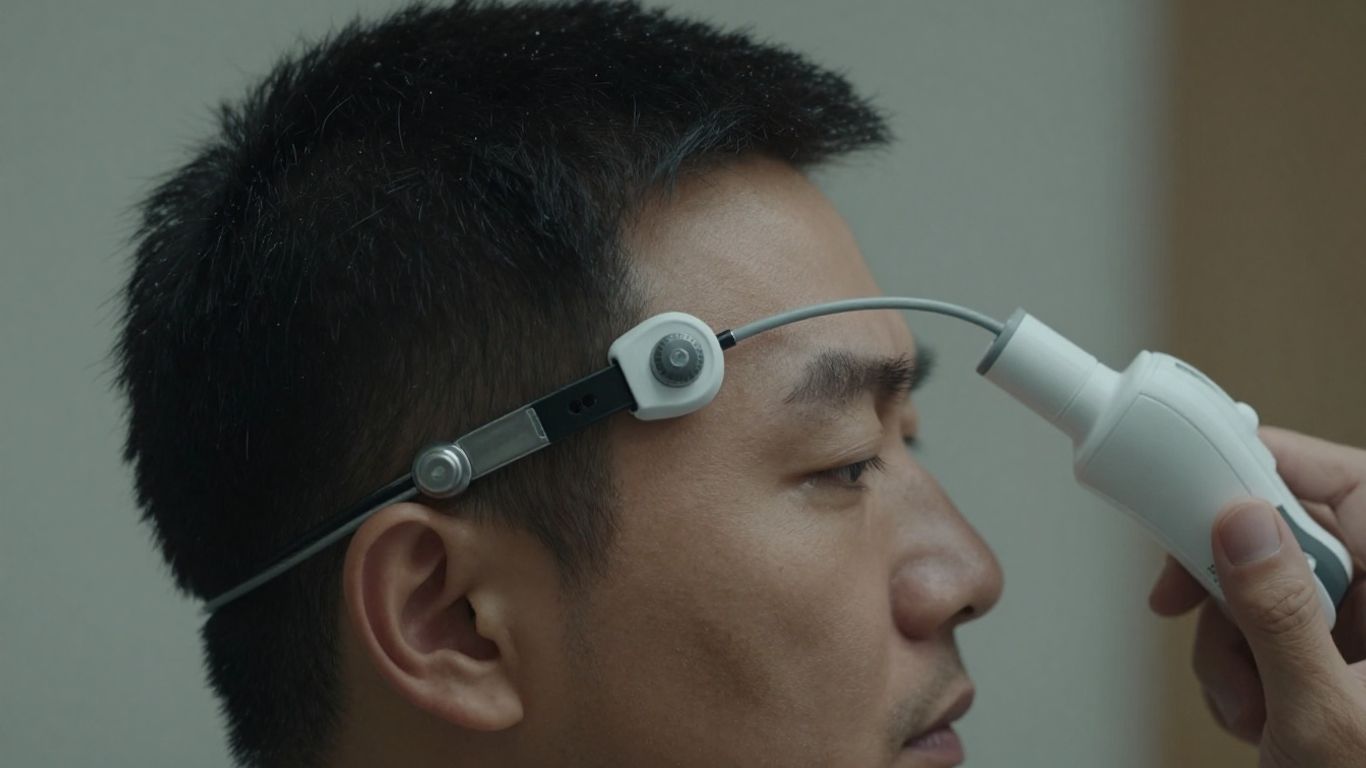
When we talk about Transcranial Magnetic Stimulation (TMS) and its safety, especially concerning potential brain damage, it’s important to look at what medical professionals and research say. While online forums can be a place to share experiences, they aren’t always the best source for understanding the medical facts. Doctors generally agree that TMS is a safe and effective treatment when used properly.
What Clinicians Say About TMS Brain Damage Risks
Clinicians emphasize that TMS is a non-invasive procedure that uses magnetic pulses to stimulate specific areas of the brain. It’s not like surgery, and the magnetic fields are carefully controlled. Current research and clinical experience show that TMS is generally safe with a low risk of serious side effects. The most common issues reported are mild headaches or discomfort at the treatment site, which usually go away quickly. The idea of permanent brain damage from TMS is not supported by current scientific understanding or clinical practice. The intensity and frequency of the magnetic pulses are within safe limits, and the procedure is performed under the supervision of trained medical staff.
Comparing TMS Risks to Antidepressant Side Effects
It’s helpful to put the risks of TMS into perspective. When compared to other common treatments for depression, like antidepressant medications, TMS often has a more favorable side effect profile. Antidepressants can come with a range of side effects, some of which can be quite bothersome or even serious for some individuals. These can include weight gain, sexual dysfunction, drowsiness, or gastrointestinal issues. While TMS does have potential side effects, they are typically less systemic and often resolve after treatment.
Here’s a general comparison:
| Treatment Type | Common Side Effects | Potential Serious Risks |
|---|---|---|
| TMS | Headache, scalp discomfort, facial twitching | Seizures (very rare) |
| Antidepressants | Nausea, weight changes, sleep disturbances, sexual side effects | Serotonin syndrome, increased suicidal thoughts (especially in young adults), withdrawal symptoms |
The Rarity of Severe Adverse Events Like Seizures
The most significant risk discussed with TMS is the possibility of a seizure. However, this is exceedingly rare. Estimates place the risk of seizure at around 1 in 60,000 treatments. This is a very low probability, and it’s important to note that these seizures typically do not continue after treatment has ended and do not result in further adverse events. Clinics performing TMS have protocols in place to manage such rare occurrences, and patient screening helps identify individuals who might be at higher risk. The risk of a seizure from TMS is often compared to the risk of seizures associated with certain antidepressant medications.
While the online world can amplify negative experiences, the medical consensus, backed by studies and clinical practice, is that TMS is a safe and well-tolerated treatment option for many individuals struggling with conditions like depression. Open communication with your healthcare provider about any concerns is always the best approach.
Potential Reasons for Negative TMS Experiences
It’s understandable that some people share negative experiences with TMS online, especially on platforms like Reddit. While TMS is generally safe and effective for many, not every treatment works perfectly for everyone. Sometimes, what seems like a negative outcome isn’t necessarily the therapy itself failing, but rather a misunderstanding of how it works or external factors at play.
Understanding the "TMS Dip" Phenomenon
One common reason people report feeling worse during TMS treatment is something called the "TMS dip." This isn’t a sign that the treatment is failing, but rather a temporary phase. It usually happens a few weeks into the treatment course. During this dip, symptoms of depression or anxiety might actually feel more intense than before. It’s thought to be the brain adjusting to the magnetic stimulation, kind of like a temporary setback before things start to improve. It’s not something everyone goes through, but for those who do, it can be quite alarming if they aren’t prepared for it.
- Timing: Often occurs around weeks 2-3 of treatment.
- Symptoms: Temporary worsening of depression, anxiety, or fatigue.
- Cause: Believed to be the brain adapting to the stimulation.
- Prevalence: Affects an estimated 20% of patients.
The "TMS dip" can be a confusing part of the treatment process. It’s a sign that the brain is responding, even if it feels like things are getting worse temporarily. Knowing this can help patients manage their expectations and stick with the treatment.
The Impact of Misdiagnosis on Treatment Outcomes
Sometimes, a negative experience with TMS can stem from an incorrect initial diagnosis. For example, TMS is approved for major depressive disorder, but not for bipolar disorder. If someone with undiagnosed bipolar disorder receives TMS, it could potentially worsen their manic or hypomanic symptoms, leading to a very negative outcome and a feeling that the treatment "ruined their life." This highlights how important it is to get the right diagnosis before starting any new treatment. If you’ve ever experienced symptoms of mania or have a family history of bipolar disorder, it’s worth discussing this thoroughly with your doctor.
Incomplete Treatment Cycles and Their Effects
Another factor that can lead to dissatisfaction with TMS is not completing the full course of treatment. TMS often requires a series of sessions over several weeks to be effective. Stopping treatment early, perhaps due to side effects, cost, or a perceived lack of immediate results, can mean the therapy doesn’t have a chance to work as intended. Similarly, some individuals might need additional sessions or a combination of treatments to achieve the best results. Not getting the full benefit can leave someone feeling like TMS didn’t work for them, when in reality, they just didn’t get the complete treatment they needed.
Patient Advocacy and Information Gaps
It feels like there’s a growing number of people out there who’ve had TMS and are now dealing with effects that weren’t really talked about beforehand. These aren’t just minor complaints; some folks are reporting serious issues that have really changed their lives.
Groups Documenting Unforeseen TMS Side Effects
Online spaces, especially places like Reddit and dedicated Facebook groups, have become a go-to for people sharing their experiences. These communities often form because individuals feel their concerns weren’t fully addressed by their doctors or the treatment providers. They’re trying to piece together what happened and find others who’ve gone through something similar. It’s where you hear stories that go beyond the usual headache or jaw discomfort, touching on things like persistent cognitive changes or emotional shifts that weren’t anticipated.
- Finding a voice: Many patients feel these groups are the only place they can openly discuss negative outcomes without judgment.
- Information sharing: Members often pool information about symptoms, potential causes, and even strategies for managing side effects.
- Building awareness: These groups act as a de facto advocacy network, trying to bring attention to experiences that might otherwise be overlooked.
Concerns Over Undisclosed Risks by Manufacturers
There’s a significant concern that the companies making the TMS devices aren’t being fully upfront about all potential risks. Some patients and advocates point to reports filed with regulatory bodies like the FDA that detail serious adverse events, yet these seem to be missing from the consent forms and informational materials given to patients. It raises questions about whether manufacturers are adequately informing people about the full spectrum of possible outcomes, even rare ones.
The gap between reported adverse events and patient awareness is a major point of contention. When people sign consent forms, they expect to be informed about all known significant risks, not just the common or mild ones. The feeling that crucial information is being withheld, even if unintentionally, can erode trust in the treatment and the companies behind it.
The Importance of Informed Consent in TMS Treatment
Getting proper informed consent is more than just signing a paper; it’s about making sure patients truly understand what they’re agreeing to. This means having clear, honest conversations about not just the benefits, but also the full range of potential side effects, including those that are less common or more severe. When patients feel they weren’t given the complete picture, it can lead to a lot of distress and a feeling of being blindsided if negative effects do occur. True informed consent requires a transparent discussion of all known risks, however infrequent.
When TMS Doesn’t Yield Expected Results
So, you’ve been going through TMS treatments, hoping for that big turnaround, but things aren’t quite adding up. It’s a tough spot to be in when you’ve invested time and energy, and the results just aren’t showing up like you’d hoped. It’s not uncommon for people to share these frustrations online, wondering why their experience is different.
Reasons for Lack of Improvement with TMS
Sometimes, TMS just doesn’t hit the mark for everyone. There are a few reasons why this might happen. For starters, the condition being treated might not be the exact one TMS is best suited for. While TMS is approved for major depression and OCD, if there are other issues at play, like different types of mood disorders or conditions that look similar, the treatment might not work as expected. It’s like trying to fix a leaky faucet with a wrench when you actually need a plumber’s tape.
- Misdiagnosis: This is a big one. If the initial diagnosis isn’t quite right, or if there are other mental health conditions happening at the same time (comorbidities), TMS might not be effective. The treatment is designed for specific brain activity patterns, and if those aren’t the ones present, you won’t see the benefits.
- Treatment Protocol Issues: Not every treatment plan is a perfect fit. Some people might need more sessions than the standard course, or perhaps a different type of stimulation. The standard protocol is a good starting point, but individual needs can vary.
- Biological Differences: Simply put, everyone’s brain is wired a bit differently. What works wonders for one person might have a lesser effect on another, even with the same diagnosis.
The Possibility of Worsening Symptoms Post-Treatment
It’s also a concern for some that their symptoms might actually get worse after TMS. This can be really worrying. Sometimes, this might be a temporary phase, often called the "TMS dip," where things feel a bit rougher before they get better. It’s thought to be a sign that the brain is adjusting to the stimulation. However, if symptoms don’t improve or seem to get worse and stay that way, it’s definitely something to look into further.
It’s important to remember that while most people respond well to TMS, a small percentage may not see the expected benefits or could even experience a temporary worsening of symptoms. This doesn’t necessarily mean the treatment is harmful, but it does highlight the need for careful monitoring and personalized care.
Seeking Second Opinions for Substandard Care
If you feel like you’re not getting the results you should be, or if your concerns about worsening symptoms aren’t being addressed, it might be time to get another perspective. Talking to a different TMS provider or even a psychiatrist who specializes in treatment-resistant conditions could offer new insights. They can review your case, check if the initial diagnosis was accurate, and see if a different treatment approach or a modified TMS plan might be more suitable. Don’t hesitate to advocate for yourself and seek out the best care possible.
- Reviewing the Diagnosis: A fresh set of eyes can help confirm or correct the initial diagnosis.
- Assessing Treatment Delivery: Was the TMS administered correctly? Were the settings appropriate for your specific condition?
- Exploring Alternative or Adjunctive Therapies: Sometimes, TMS works best when combined with other forms of treatment, or perhaps another therapy is a better fit altogether.
Wrapping Up: What to Take Away
So, after digging through what people are saying online, especially on Reddit, it’s clear that TMS therapy isn’t a one-size-fits-all solution. While many folks find it really helps with their depression, there are definitely others who’ve had a rough time, reporting things like worse symptoms or even new issues popping up. It seems like the "TMS dip" is a thing some people experience, where things feel worse before they get better, and sometimes, a misdiagnosis or not finishing the whole treatment plan might play a role in negative outcomes. It’s important to remember that these bad experiences, while scary, don’t seem to be the norm, and doctors generally say TMS is safe. Still, hearing these stories makes you think – it’s always a good idea to talk openly with your doctor about any worries and to do your own research from reliable sources, not just social media, before starting any treatment.
Frequently Asked Questions
Can TMS therapy really cause permanent brain damage?
Based on current research and what doctors see in practice, TMS is generally considered safe and doesn’t cause permanent brain damage. While there’s a very small chance of serious side effects like seizures, it’s extremely rare. Most side effects are mild, like headaches, and usually go away quickly.
Why do some people say TMS ‘ruined their life’ on Reddit?
Some individuals share very negative experiences online, claiming TMS made their problems worse or caused new issues. These stories can be upsetting, but it’s important to remember that everyone reacts differently to treatments. These experiences, while real for those who had them, are not the typical outcome.
What is the ‘TMS dip’ people talk about?
The ‘TMS dip’ is a temporary phase where some people might feel their symptoms, like depression or anxiety, get a bit worse, usually a few weeks into treatment. It’s thought to be the brain adjusting to the stimulation. For most, this feeling passes, and they start to feel better with continued treatment.
Are the risks of TMS explained before treatment?
When you get TMS, you should be given information about potential risks and side effects. This is called informed consent. However, some people feel that not all possible negative outcomes were clearly explained to them beforehand, which has led to concerns.
What if TMS doesn’t seem to help me?
It’s possible that TMS might not work for everyone, or it might take longer to see results. Sometimes, if TMS isn’t helping, it could be due to a few things, like the initial diagnosis needing a second look or not completing the full treatment. Talking to your doctor about not improving is the best next step.
How do the side effects of TMS compare to antidepressants?
TMS generally has fewer and milder side effects compared to many antidepressants. While antidepressants can cause issues like weight gain, nausea, or sexual problems that affect your whole body, TMS side effects are usually limited to the treatment area, like mild headaches, and don’t cause dependency.