
When you’re dealing with depression and nothing seems to be working, it’s natural to look into other options. Two treatments that often come up are TMS and ECT. They both aim to help your brain work better, but they go about it in very different ways. Figuring out which one might be right for you can feel like a big task, especially with all the information out there. We’re going to break down the tms vs ect for depression debate, looking at how they work, how well they help, and what side effects you might expect.
Key Takeaways
- ECT has a long history of being very effective for severe depression, often providing quick relief. However, it involves inducing a seizure and requires anesthesia, which can lead to side effects like memory loss.
- TMS uses magnetic pulses to stimulate specific brain areas and is non-invasive. It generally has fewer and milder side effects compared to ECT, with no need for anesthesia or hospitalization.
- While both treatments can significantly improve depressive symptoms, TMS is often preferred for its lower risk profile and the absence of cognitive side effects like memory loss.
- The choice between TMS and ECT often depends on the severity and urgency of the depression, as well as a person’s overall health and any pre-existing medical conditions.
- ECT is typically considered for severe, urgent cases where other treatments have failed, while TMS is a strong option for persistent depression and for those who want to avoid the risks associated with ECT.
Understanding the Mechanisms of TMS vs. ECT
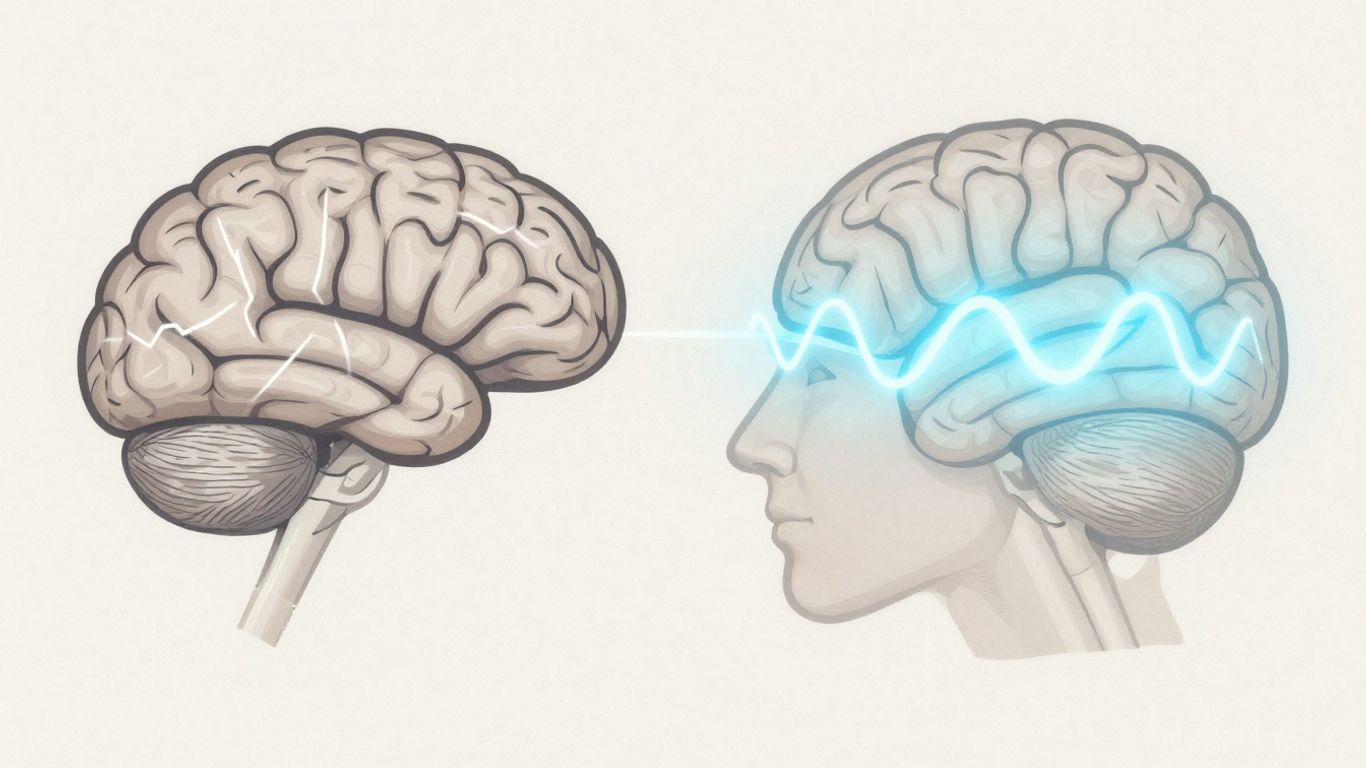
When we talk about treating depression, especially when other methods haven’t quite hit the mark, two treatments often come up: Transcranial Magnetic Stimulation (TMS) and Electroconvulsive Therapy (ECT). They both aim to help your brain work better, but they go about it in pretty different ways. It’s like having two different tools for the same job, each with its own strengths and how it gets things done.
How Transcranial Magnetic Stimulation Works
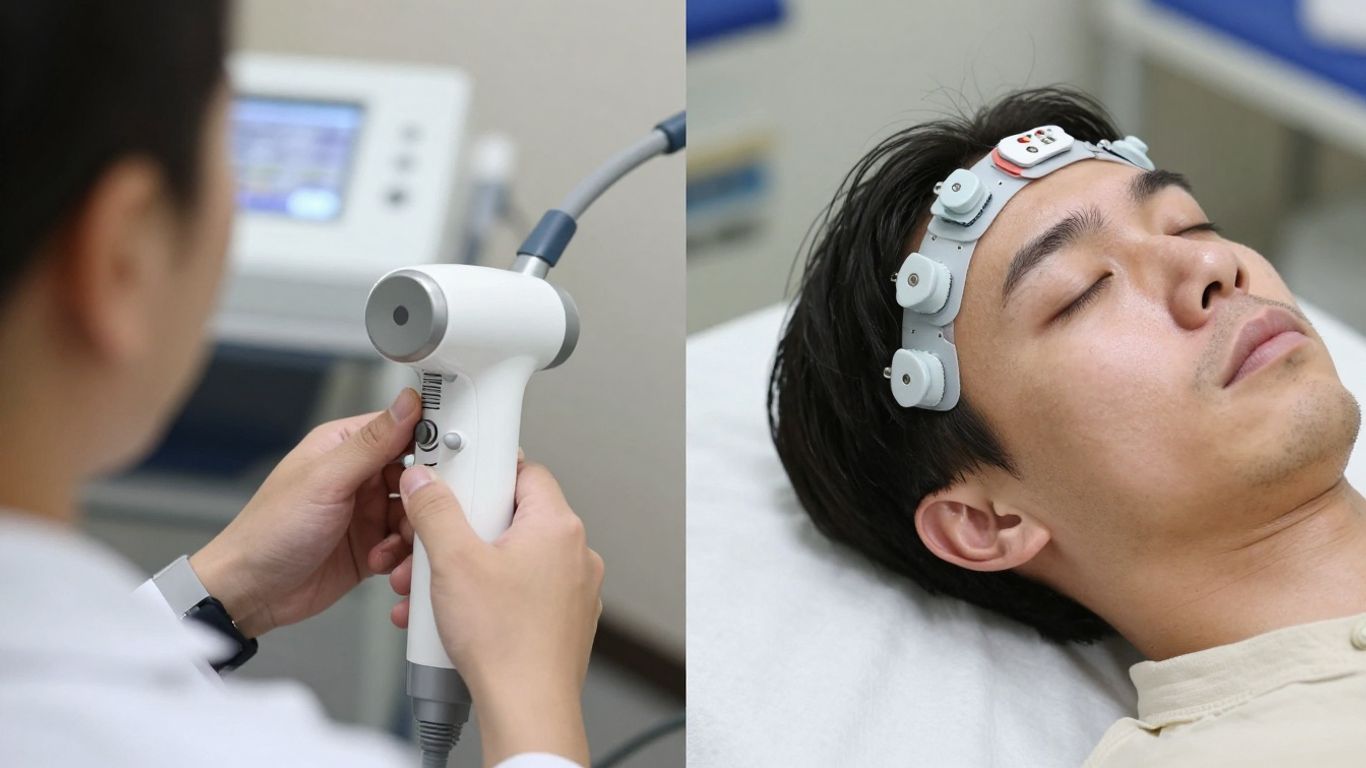
Think of TMS as a highly focused, gentle nudge for your brain. It uses magnetic pulses, kind of like what an MRI machine uses, to stimulate specific areas of your brain. The main target is usually the prefrontal cortex, a part that’s really important for regulating mood. These magnetic pulses are delivered through a special coil placed on your scalp. They’re designed to wake up nerve cells that might be a bit sluggish due to depression. The idea is to encourage healthier brain activity and help your brain build new connections, a process called neuroplasticity. It’s a non-invasive procedure, meaning nothing enters your body, and you stay awake the whole time. Most people find it pretty comfortable and can go right back to their day afterward.
The Process of Electroconvulsive Therapy
ECT, on the other hand, is a more involved procedure. It’s been around for a long time and has changed a lot since it was first introduced. In modern ECT, a patient is given anesthesia and a muscle relaxant. Then, small electrical currents are passed through the scalp to intentionally cause a brief, controlled seizure in the brain. This seizure activity is thought to cause changes in brain chemistry, releasing neurotransmitters that help regulate mood, like serotonin and dopamine. It also seems to improve how different parts of the brain communicate with each other. Because it affects a broader area of the brain and induces a seizure, it’s a more powerful intervention.
Comparing Brain Stimulation Approaches
So, how do these two stack up against each other in terms of how they work?
- Targeting: TMS is very precise, focusing on specific brain regions. ECT affects a wider network of brain areas simultaneously.
- Method: TMS uses magnetic pulses. ECT uses electrical currents to induce a seizure.
- Patient State: TMS is done while the patient is awake and alert. ECT requires general anesthesia and muscle relaxants.
- Invasiveness: TMS is non-invasive. ECT is considered an invasive procedure due to the induced seizure and need for anesthesia.
The core difference lies in their approach: TMS offers a targeted, non-invasive stimulation, while ECT provides a broader, seizure-induced brain chemistry reset. Both aim to correct abnormal brain activity associated with depression, but their mechanisms are distinct, leading to different patient experiences and potential side effect profiles.
It’s interesting to see how far we’ve come in understanding and treating the brain. Both TMS and ECT represent significant advancements, offering hope to people struggling with difficult-to-treat depression.
Evaluating Effectiveness for Depression
When considering treatments for depression, especially when other methods haven’t quite hit the mark, understanding how effective each option is becomes really important. Both Transcranial Magnetic Stimulation (TMS) and Electroconvulsive Therapy (ECT) have shown promise, but they work differently and have varying success rates depending on the individual and the severity of their depression.
ECT’s Historical Efficacy in Severe Depression
Electroconvulsive Therapy has a long history of being used for severe depression, and for good reason. It’s often seen as a powerful tool when other treatments just aren’t cutting it. Studies have shown that a significant number of patients see improvements fairly quickly, sometimes within the first week of treatment. For those with very severe symptoms, including those experiencing psychosis or having thoughts of self-harm, ECT can offer rapid relief.
- High Response Rates: Many patients experience noticeable symptom reduction early on.
- Severe Cases: Particularly effective for individuals with severe depression, psychosis, or suicidal ideation.
- Remission: A good portion of patients achieve remission, meaning their symptoms significantly decrease or disappear.
While ECT has a strong track record, especially in urgent situations, it’s not always the first choice due to its nature and potential side effects. Careful consideration of the individual’s specific situation is key.
TMS Success Rates and Symptom Improvement
Transcranial Magnetic Stimulation offers a different approach, using magnetic pulses to stimulate specific areas of the brain involved in mood regulation. It’s a non-invasive option that has demonstrated effectiveness for many individuals struggling with depression, particularly those who haven’t found relief with medication alone. The improvements with TMS tend to build over time with consistent treatment sessions.
| Treatment Type | Typical Response Rate | Time to Noticeable Improvement |
|---|---|---|
| TMS | 50-70% | 2-4 weeks |
- Gradual Improvement: Benefits often become apparent after several weeks of regular sessions.
- Non-Responder Support: Can be effective for those who haven’t responded well to antidepressant medications.
- Symptom Reduction: Leads to a decrease in depressive symptoms like low mood, lack of interest, and fatigue.
Comparing Long-Term Outcomes and Remission
When we look at how well these treatments work over the long haul, there are some differences to note. ECT can provide significant relief, but sometimes the effects might be more short-term, requiring maintenance sessions to keep symptoms at bay. Combining ECT with medication can help extend the period of symptom relief. TMS, on the other hand, aims to create lasting changes in brain activity, and many find that the benefits continue after the course of treatment is completed, though ongoing support might still be beneficial for some.
- ECT Maintenance: May require follow-up sessions to sustain results.
- TMS Durability: Often provides sustained improvement after the treatment course.
- Combined Approaches: Using medication alongside either TMS or ECT can sometimes improve long-term outcomes.
Assessing Potential Side Effects
When considering any medical treatment, understanding the potential side effects is a big part of the decision-making process. Both TMS and ECT are designed to help with depression, but they do come with different sets of risks and discomforts. It’s not a one-size-fits-all situation, and what one person experiences might be quite different from another.
Cognitive and Memory Concerns with ECT
Electroconvulsive Therapy (ECT) is known to sometimes cause issues with memory and thinking. This is probably one of the most talked-about side effects. Patients might experience confusion right after a treatment session, which usually clears up pretty quickly. The bigger concern for many is memory loss. This can range from forgetting recent events to, in some cases, more persistent gaps in memory. While newer techniques like ultra-brief pulse ECT aim to reduce these effects, they remain a significant consideration.
- Temporary confusion: Often resolves within minutes to hours post-treatment.
- Memory loss: Can affect recent events or personal history. The duration and severity vary greatly.
- Difficulty concentrating: Some individuals report temporary issues with focus.
The impact on memory and cognition is a primary concern for many considering ECT. While often temporary, the potential for lasting effects means careful discussion with a healthcare provider is necessary to weigh the benefits against these risks.
Common Side Effects of Transcranial Magnetic Stimulation
TMS generally has a much milder side effect profile compared to ECT. Most people tolerate it quite well. The most frequently reported issues are usually related to the treatment itself and tend to fade.
- Headaches: These are fairly common, especially early in treatment, but often manageable with over-the-counter pain relievers.
- Scalp discomfort or pain: Some people feel a tapping sensation or mild discomfort at the site where the magnetic coil is placed.
- Facial muscle twitching: This can happen during the stimulation.
Unlike ECT, TMS does not typically cause confusion or significant memory problems. The risk of a seizure during TMS is extremely low, much lower than with ECT.
Comparing the Risk Profiles of Each Treatment
When you put them side-by-side, the differences in side effects are pretty clear. ECT, while often very effective for severe depression, carries more significant risks, particularly concerning cognitive function and the need for anesthesia. TMS, on the other hand, is non-invasive and generally associated with fewer and less severe side effects. This often makes it a more appealing option for individuals who are concerned about the potential downsides of ECT.
| Side Effect Category | ECT | TMS |
|---|---|---|
| Cognitive | Confusion, memory loss (potential) | Generally none |
| Physical | Headache, muscle ache, nausea, jaw pain | Headache, scalp discomfort, facial twitching |
| Anesthesia-related | Required, with associated risks | Not required |
| Seizure Risk | Present (though rare) | Extremely rare (<0.01%) |
Considering Invasiveness and Patient Experience
The Non-Invasive Nature of TMS
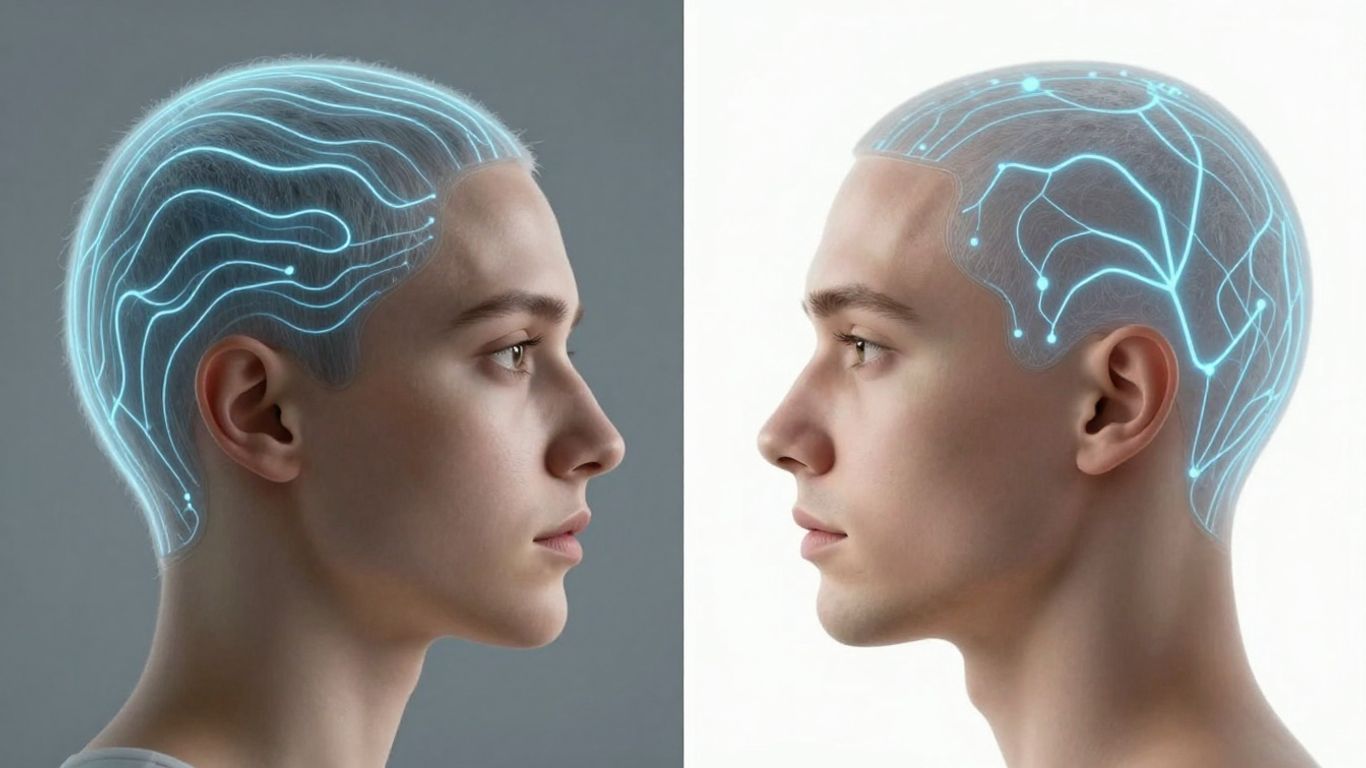
When we talk about treatments for depression, the idea of invasiveness can be a big deal for people. Transcranial Magnetic Stimulation, or TMS, really stands out here because it’s not invasive at all. You’re awake during the whole thing, and there’s no need for anesthesia or any kind of surgery. A special coil is placed on your head, and it uses magnetic pulses to stimulate specific parts of your brain. Think of it like a targeted zap of energy, but without any needles or scalpels. Most people can just go about their day right after a session, which is a huge plus if you’ve got a busy life.
The Invasive Procedure of ECT
Electroconvulsive Therapy, or ECT, is a different story. It’s considered an invasive procedure. Before an ECT session, you’re given general anesthesia, which means you’re put to sleep. Then, controlled electrical currents are passed through your scalp to trigger a brief, induced seizure in the brain. While this process can be very effective for severe depression, the fact that it requires anesthesia and induces a seizure makes it a more significant medical intervention.
Anesthesia Requirements and Hospitalization
The differences in invasiveness directly impact the patient experience, particularly concerning anesthesia and hospitalization. TMS typically doesn’t require any anesthesia, and sessions are usually done on an outpatient basis. You can drive yourself home afterward. ECT, on the other hand, necessitates general anesthesia and is usually performed in a hospital setting. Patients often need a recovery period after each session due to the anesthesia and the seizure itself. This means a longer commitment in terms of time spent at a medical facility and a more involved recovery process.
Here’s a quick look at how they stack up:
| Feature | TMS (Transcranial Magnetic Stimulation) | ECT (Electroconvulsive Therapy) |
|---|---|---|
| Invasiveness | Non-invasive | Invasive |
| Anesthesia | Not required | General anesthesia required |
| Seizure Induction | No | Yes, controlled seizure induced |
| Hospitalization | Typically outpatient | Usually requires hospitalization |
| Recovery Time | Minimal, can resume activities | Requires recovery period after session |
The patient experience is a major factor when choosing between TMS and ECT. TMS offers a gentler approach, allowing individuals to maintain their daily routines with minimal disruption. ECT, while powerful, involves a more significant medical procedure that requires careful management and recovery.
Some people might find the idea of a seizure, even a medically induced one, quite daunting. It’s natural to feel apprehensive about any procedure that involves being put to sleep and having your brain activity altered in such a direct way. TMS, by avoiding these elements, often feels more accessible and less intimidating for many individuals seeking relief from depression.
Determining Suitability Based on Depression Severity
Figuring out whether ECT or TMS is a better fit mostly depends on how severe the depression is and how urgently something needs to be done. Some folks need fast action, while others can take it a bit slower.
When ECT is Considered a Last Resort
ECT tends to be brought in when depression is at its worst. That means it’s reserved for cases where someone’s at risk of harming themselves, or nothing else—like meds or therapy—has helped. It’s often a last-ditch effort because of how quickly it can improve life-threatening symptoms.
- Used in emergencies, such as with suicidal thoughts or refusal to eat/drink
- Also considered for psychotic depression or severe, treatment-resistant episodes
- Typically follows failed medication trials
| Condition | When ECT is Considered |
|---|---|
| Severe depression w/ suicide risk | Immediate intervention needed |
| Psychotic depression | When rapid symptoms change needed |
| Treatment-resistant depression | After multiple failed therapies |
ECT isn’t meant for everyday blue moods—it’s for the really tough cases that need fast relief.
TMS for Persistent Depression
TMS is often used for people who’ve tried antidepressants, but nothing seems to stick. The symptoms might not be an emergency, but they linger and get in the way of work, hobbies, and relationships. TMS rolls out slower, over several weeks, but can still make a difference for a lot of people.
- Suitable if you’re stable enough to wait weeks for improvement
- Useful when meds cause too many side effects or just don’t work
- Non-invasive, so good fit for people who want to avoid anesthesia
Urgency of Intervention in Crisis Situations
In a crisis where someone is declining fast, doctors lean toward ECT because:
- It works quicker than TMS.
- It can break through stubborn symptoms, especially if a person can’t function.
- Delays in treatment could be dangerous to the patient.
On the other hand, if depression is dragging someone down but not crashing their whole life, TMS is an effective, lower-risk choice. It’s scheduled more flexibly and doesn’t require a hospital stay.
| Severity/Emergency | Preferred Treatment |
|---|---|
| Immediate, life-threatening | ECT |
| Chronic, stable, non-emergency | TMS |
If you’re stuck deciding: try to think about the timeline, urgency, and what’s safest given any other health issues. And definitely talk to a doctor who knows the details of both.
Factors Influencing Treatment Choice
So, you’re trying to figure out if TMS or ECT is the way to go for depression. It’s a big decision, and honestly, it’s not a one-size-fits-all kind of thing. Your doctor will be the main guide here, but knowing some of the key differences can really help you understand what they’re talking about. It’s all about finding what fits you best.
Medical History and Contraindications
This is a huge one. Your past health matters a lot when deciding between these treatments. ECT needs general anesthesia, which can be risky if you have heart problems, have had a recent stroke, or have certain brain injuries. It’s just an extra layer of risk to consider. TMS, on the other hand, doesn’t use anesthesia, which is a big plus for many. However, TMS isn’t for everyone either. The magnetic pulses can interfere with metal implants near your head. So, things like pacemakers, aneurysm clips, or cochlear implants mean TMS might not be an option. Even dental fillings can sometimes be an issue, though usually not. A thorough check-up is super important to see if you’re a good candidate for either TMS therapy.
Lifestyle and Convenience Considerations
Think about your daily life. TMS usually involves daily sessions, five days a week, for several weeks. It’s a commitment, but you can often go about your day afterward. ECT, though, often requires a hospital stay for monitoring, especially during the initial treatment period. Plus, there’s a recovery time after each session. If you need to get back to work or your usual routine quickly, the shorter recovery time with TMS might be more appealing. It really depends on what your schedule and energy levels allow.
Cost and Insurance Coverage Differences
Let’s talk money. Generally, TMS tends to be more affordable than ECT, especially if you have insurance. Since TMS doesn’t require anesthesia or hospitalization, the overall costs can be lower. ECT, because of the anesthesia, hospital stays, and monitoring, usually racks up a higher bill. Insurance coverage can vary a lot for both, but it’s definitely something to look into with your provider. Sometimes, ECT might be covered for very severe cases where other options have failed, but it’s worth checking the specifics for your situation.
Making the right choice involves looking at the whole picture – your health, your life, and your budget. It’s a conversation you’ll have with your doctor, weighing the pros and cons of each approach to find the best path forward for your recovery.
Wrapping Things Up
So, we’ve looked at both TMS and ECT for tackling depression, especially when other methods haven’t quite cut it. ECT has a strong track record for being really effective, particularly for severe cases, but it does come with more significant side effects, like memory issues, and requires anesthesia. TMS, on the other hand, is non-invasive, generally has milder side effects, and doesn’t need anesthesia, making it a good choice for many. While both can bring relief, TMS often offers a gentler path with fewer risks. The best choice really depends on your specific situation, how severe your depression is, your overall health, and what you’re comfortable with. Talking it over with your doctor is the most important step to figure out which treatment makes the most sense for you.
Frequently Asked Questions
What’s the main difference between TMS and ECT?
Think of TMS like a gentle nudge for your brain using magnets, while ECT is a stronger treatment that involves a controlled seizure. TMS is done while you’re awake and doesn’t require anesthesia, making it less invasive and usually having fewer side effects. ECT is done under anesthesia and is typically used for more severe cases where other treatments haven’t worked.
How well do TMS and ECT work for depression?
Both treatments can be very effective. ECT has a long history of helping people with severe depression, sometimes very quickly. TMS also helps many people feel better, with studies showing good results in symptom improvement and even full recovery for some. The best one for you depends on your specific situation.
Are there side effects with TMS and ECT?
Yes, both can have side effects, but they’re usually different. ECT can sometimes cause memory problems or confusion, and people might feel sore afterward. TMS is known for having milder side effects, like a headache or discomfort at the treatment spot, but it generally doesn’t affect memory.
Which treatment is more invasive?
ECT is considered more invasive because it requires general anesthesia and involves inducing a brief seizure. TMS, on the other hand, is non-invasive. You stay awake during TMS treatment, and there’s no need for anesthesia or hospitalization.
When would a doctor suggest ECT over TMS?
Doctors might suggest ECT when someone’s depression is very severe and they need help quickly, especially if they are having thoughts of harming themselves. It’s often considered a last resort when other treatments haven’t been successful, due to its effectiveness but also its more significant side effects.
Can I still do my normal activities during treatment?
With TMS, most people can go back to their regular daily routines right after a session because it’s non-invasive and doesn’t require recovery time. ECT, however, requires a hospital stay and recovery time due to the anesthesia and the seizure, so you wouldn’t be able to do your normal activities immediately.